
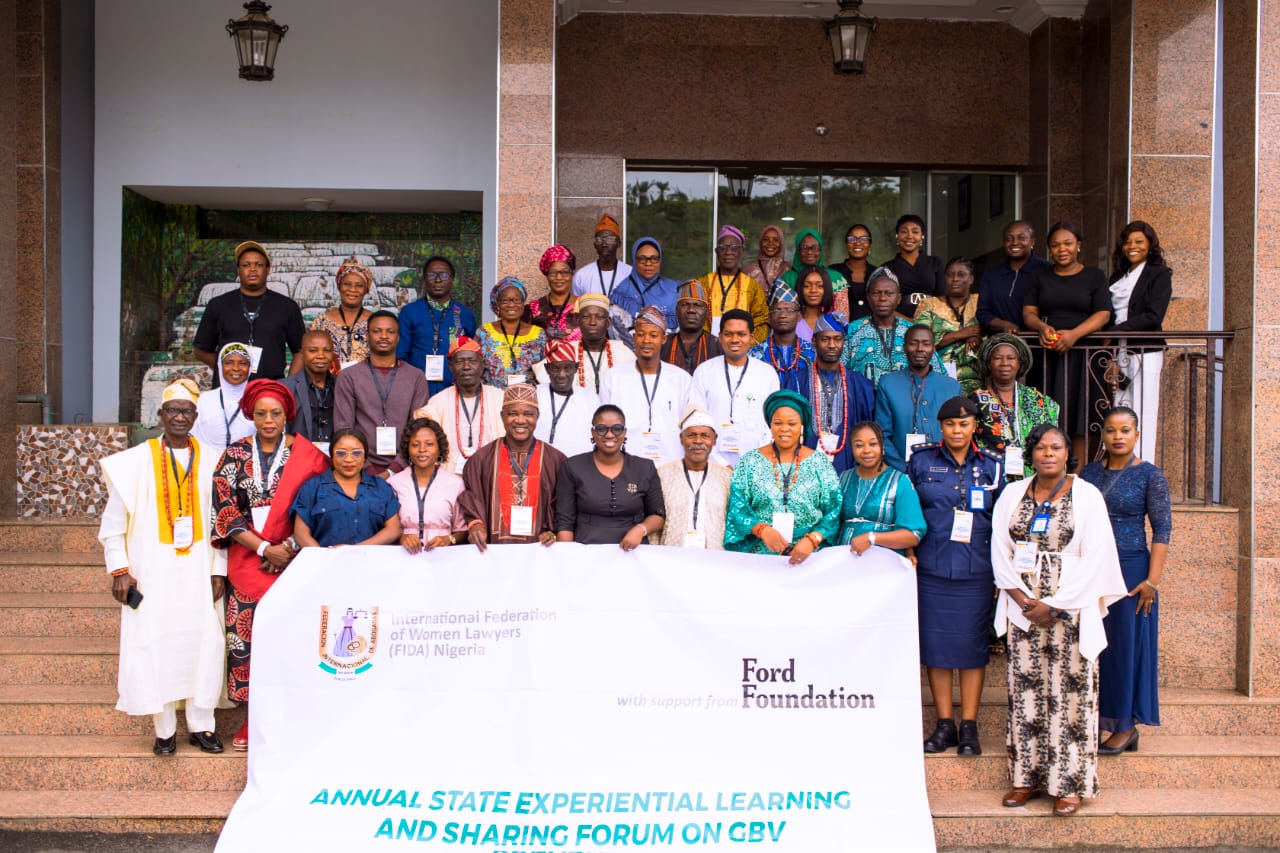
FIDA Nigeria Engages Religious Leaders to Combat Gender-Based Violence
The International Federation of Women Lawyers (FIDA) Nigeria has taken significant steps to address the persistent issue of gender-based violence (GBV) in Ekiti State. As part of its intensified campaign, FIDA has engaged religious leaders, recognizing their critical role in shaping social behavior and attitudes towards gender justice.
Eliana Martins, the Country Vice President and National President of FIDA Nigeria, highlighted the importance of this engagement during the two-day second annual dialogue for religious leaders, titled “Strengthening Religious Institutions to Prevent GBV.” The event, organized by FIDA Nigeria with support from the Ford Foundation, brought together faith-based leaders and organizations across the state.
Key Discussions and Outcomes
The dialogue featured several breakout sessions, interactive discussions, and recommendations aimed at addressing GBV through the lens of religious institutions. Represented by the chairperson of FIDA Ekiti, Ayobami Olowoyo-Richards, Martins emphasized that FIDA has remained committed to preventing GBV practices in the state over the years.
She explained that the three-year dialogue, now in its second year, is designed to dismantle cultural and social beliefs that perpetuate gender inequality and violence. According to her, religion is not just a set of beliefs but an active force shaped by social actors that can either contribute to or counteract violence.
Martins pointed out that many religious texts are interpreted in ways that promote male headship and women’s subordination, which can justify and fuel violence against women. She stressed the need for a re-examination of these interpretations to foster a more equitable society.
Project Lead on GBV Prevention
Ifeanyi Eze, the project lead, noted that the three-year initiative, now in its second year, aims to scale up GBV prevention by engaging religious leaders and community gatekeepers. His goal is to integrate faith and GBV prevention through dialogue, promoting safeguarding principles that can help eradicate GBV in the state.
Eze added that FIDA Nigeria will use dialogue as a platform for faith and religious leaders to reflect, exchange ideas, and build consensus on advancing gender justice within their congregations and communities.
Positive Feedback from Religious Leaders
Speaking on behalf of the religious leaders, Alhaji Abdulfatai Olorunkemi and Pastor Michael Oloruntoba described the dialogue as very successful. They emphasized the importance of continuous sensitization in all religious platforms to reduce and prevent GBV in the state.
Their participation underscores the growing recognition among religious leaders of the need to address GBV as a pressing social issue. By working together with FIDA, they aim to create a safer environment for all members of their communities.
Broader Implications
This initiative highlights the potential of interfaith collaboration in tackling complex societal challenges like GBV. By leveraging the influence of religious institutions, FIDA Nigeria is taking a proactive approach to fostering change and promoting gender equality.
As the dialogue continues, it is hoped that the strategies and recommendations developed during these sessions will have a lasting impact on reducing GBV in Ekiti State and beyond.