
Overview of the FY2026 Draft National Budget
The Government of Liberia has unveiled its FY2026 Draft National Budget, outlining a comprehensive US$1.211 billion plan designed to strengthen health, education, security, governance, and infrastructure nationwide. Anchored in the ARREST Agenda for Inclusive Development (AAID), the draft budget reflects a government determined to deliver tangible benefits to citizens while promoting transparency, accountability, and sustainable economic growth.
This budget comes at a critical moment for Liberia as the economy continues to recover and diversify. Real GDP is projected to grow by 5.4 percent in 2026, up from 4.6 percent in 2025, supported by expansion in agriculture, mining, services, and infrastructure development. Inflation is expected to moderate to 5.1 percent, maintaining a single-digit trend, while prudent fiscal measures and improved domestic revenue collection underpin macroeconomic stability.
Key Drivers of the FY2026 Budget
A major driver of the FY2026 budget is the US$200 million ArcelorMittal Liberia (AML) Signature Bonus, contingent on the ratification of the company’s mineral development agreement. These funds have been fully earmarked for public sector investment, with a strong focus on healthcare, education, road construction, electricity, and community development projects across the country.
Health Sector Priorities
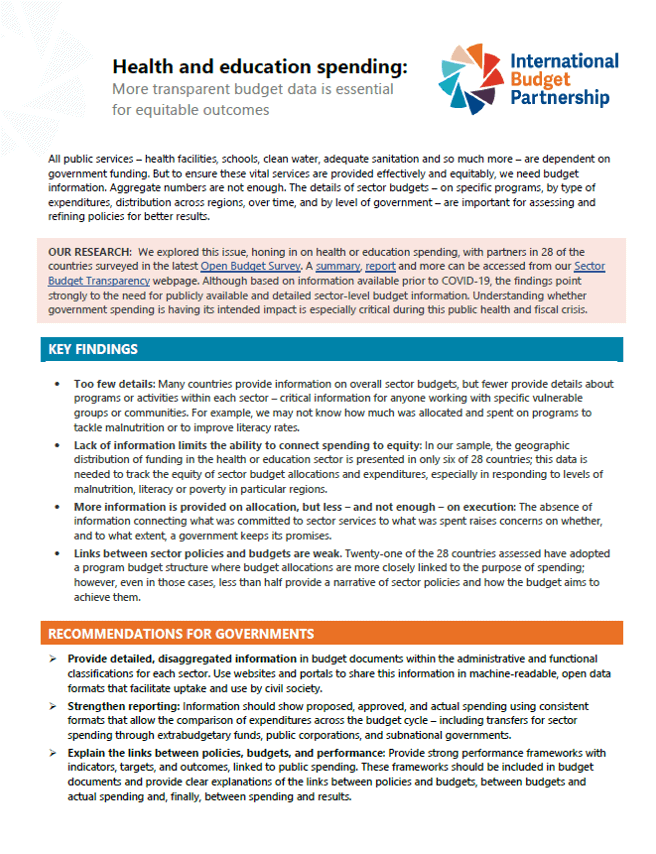
The FY2026 draft budget prioritizes the health sector, with a total allocation of US$101.71 million to expand access to essential services, improve rural healthcare infrastructure, and enhance the delivery of quality care. A significant portion of the AML Signature Bonus, US$11.95 million, has been dedicated to upgrading hospitals, renovating rural health facilities, and expanding community health programs.
This includes renovations and upgrades at J.F. Kennedy Medical Center, expansions at CH Rennie Hospital, major facility upgrades at Tellewoyan Hospital, Kolahun Hospital projects, Redemption Hospital improvements, and the renovation of the JFK TB Ward. Health authorities emphasized that these investments will enhance maternal and child care, improve the availability of medicines, and strengthen the country’s health system resilience, particularly in rural and underserved areas.
Education Focus
Education remains a core pillar of Liberia’s FY2026 budget, with US$123.98 million allocated to improve learning environments, expand school feeding programs, and strengthen tertiary and vocational education. AML Signature Bonus contributions directed toward education total US$13.75 million, supporting critical initiatives such as renovation and modernization at the University of Liberia, expansion of school feeding and health programs by the Ministry of Education, support for WAEC Liberia’s national examination system, renovations for the Monrovia Consolidated School System, and solarization and facility upgrades at Booker Washington Institute.
These investments aim to improve educational access, quality, and equity, particularly for girls and vulnerable populations. The budget also highlights STEM and vocational training initiatives, ensuring that young Liberians are equipped with the skills necessary to compete in the global economy.
Security Enhancements
The FY2026 draft budget significantly enhances Liberia’s national security framework, raising funding across multiple agencies to safeguard citizens and maintain law and order. The Liberia National Police allocation increased from US$21.5 million in FY2025 to US$25.7 million, while the Liberia Immigration Service rose from US$7.4 million to US$10.7 million. The Liberia Drug Enforcement Agency more than doubled from US$3.1 million to US$7.6 million, and the National Fire Service maintained funding at US$2.9 million.
The National Security Agency saw its budget jump from US$13.9 million to US$22.2 million, and the Ministry of National Defense received US$20.7 million for barracks renovation, improved logistics, and defense operations. Justice and security enhancements also include funding for the Ministry of Justice, immigration modernization, and prison renovations, reinforcing Liberia’s commitment to law and order while addressing emerging security challenges.
Infrastructure Development
Infrastructure development remains a priority in FY2026, with a Public Sector Investment Plan (PSIP) allocation of US$281.5 million, including projects funded by AML’s Signature Bonus. Road and bridge development receive US$50 million for the St. Paul Bridge and Bo Waterside Road Project, improving national connectivity. The transport sector benefits from US$3.856 million allocated to the Ministry of Transport, Liberia Airport Authority, and National Transit Authority for terminal rehabilitation, runway upgrades, and transport infrastructure improvements.
The Liberia Electricity Corporation receives US$50 million to expand power generation, distribution, and metering coverage, while US$3.2 million is dedicated to improving water access and sanitation infrastructure, complemented by US$4.6 million for the expansion of modern water systems across counties. County-level development support is a key feature of the budget, with Nimba County receiving US$6.136 million, Grand Bassa US$4.138 million, and Bong County US$3.186 million from AML funds.
Transparency and Accountability
The FY2026 draft budget strengthens Liberia’s transparency and accountability institutions, allocating US$34.42 million to ensure proper oversight, anti-corruption efforts, and improved governance practices. The Liberia Anti-Corruption Commission (LACC) budget rises from US$2.99 million in FY2025 to US$4.4 million in 2026, while the General Auditing Commission (GAC) increased to US$6.36 million to enhance auditing capacity. The Office of the Ombudsman rises from US$451,378 to US$758,169, and the Financial Intelligence Agency (FIA) jumps to US$4.71 million to strengthen financial investigations and anti-money laundering measures.
The Internal Audit Agency (IAA) increased to US$4.05 million to enhance oversight of government institutions. Other institutions, including the Governance Commission, Liberia Extractive Industry Transparency Initiative (LEITI), and Public Procurement and Concession Commission (PPCC), also received higher allocations to support reforms, local content, and public sector integrity.
Economic Projections and Fiscal Responsibility
The FY2026 budget demonstrates a holistic approach linking education, health, security, and infrastructure investments. By channeling resources to hospitals, schools, roads, and energy systems, the government seeks to improve citizen welfare, create jobs, and stimulate economic growth. Revenue projections for FY2026 total US$1.211 billion, reflecting a 37.5% increase over FY2025, driven by stronger income tax collections, GST revenue, trade duties, and improved tax compliance. Domestic revenue accounts for 94.1 percent of the total, reducing reliance on external financing.
The government has also allocated US$230 million for debt servicing, demonstrating fiscal prudence, with US$159 million for domestic obligations and US$68 million for external debt, much of which supports roads, energy, health, and education projects.
Future Outlook
Liberia’s economy is expected to remain resilient in the medium term, with average growth projected at 5.6 percent between 2027 and 2029, provided political stability and sound financial management continue. Mining and panning are projected to grow by 11 percent, driven by iron ore, gold, and diamond production. Agriculture and fisheries are expected to grow by 4.7 percent, fueled by increased cassava, rice, palm oil, and rubber production. Services are set to grow by 4.2 percent, including improvements in ICT, trade, and public infrastructure. Manufacturing and forestry are expected to remain stable at 5.9 percent and 1.2 percent, respectively.
Inflation is expected to remain moderate, and the Liberian dollar may experience slight depreciation due to structural pressures in the foreign exchange market.
Public Engagement and Transparency
FY2026 demonstrates Liberia’s commitment to citizen-centered governance, with improved public participation, transparency, and performance monitoring. The Open Budget Survey score increased from 43 percent to 51 percent, and public participation rose from 7 percent to 15 percent. The Fiscal Transparency Advisory Group was expanded to include civil society and integrity institutions. Budget performance reports are published on schedule, and a citizen-friendly midyear budget guide improves public understanding.
Inclusive pre-budget consultations ensured that citizens’ priorities—ranging from water systems and roads to judicial services and health programs—are reflected in resource allocations.
Conclusion
Liberia’s FY2026 Draft Budget represents a bold, citizen-focused strategy to strengthen health, education, security, governance, and infrastructure across the nation. By integrating AML Signature Bonus funds, domestic revenue growth, and external development support, the government seeks to build a resilient, inclusive, and accountable development framework. The budget underscores a commitment to transformative investments that directly impact citizens’ lives—from improved healthcare and modernized schools to roads, energy systems, and safe communities. It reflects a government intent on balancing fiscal responsibility with inclusive development, ensuring every Liberian benefits from progress. As the Senate and other stakeholders review the draft, public engagement and transparency will remain central to the successful implementation of Liberia’s 2026 development priorities.