
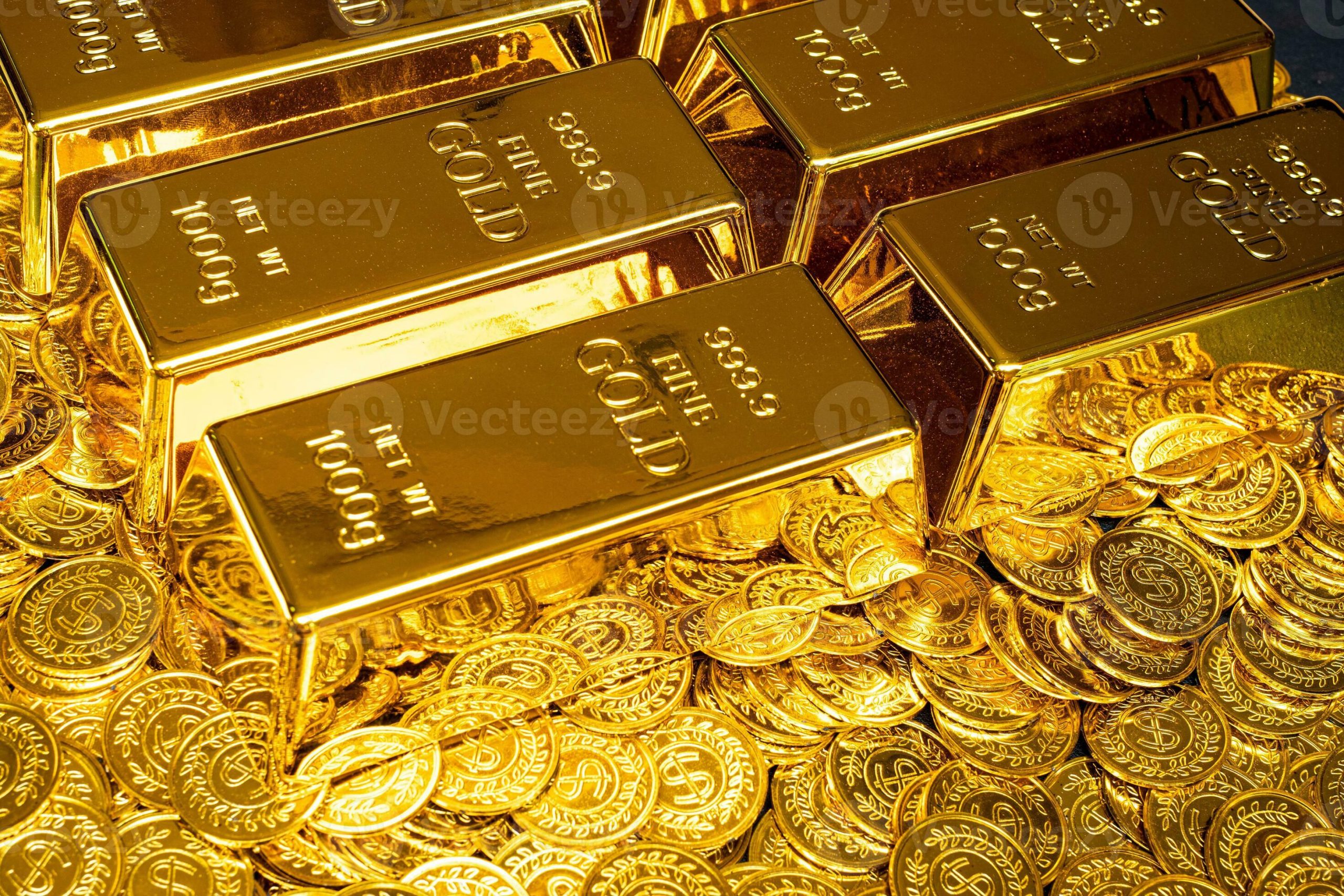
Gold Prices Increase in Bangladesh
Bangladesh has witnessed another increase in gold prices, with the Bangladesh Jewellers Association (BAJUS) announcing a rise of Tk 2,507 per bhori. This adjustment sets the new rate for 22-carat gold at Tk 2,04,283 per bhori. The updated pricing will come into effect starting Tuesday, as stated in a press release issued by BAJUS on Monday night.
The price hike follows an increase in the cost of pure gold within the local market. With this revision, the rates for different gold carats have been adjusted accordingly. Specifically, 21-carat gold is now priced at Tk 1,94,999 per bhori, while 18-carat gold stands at Tk 1,67,145 per bhori. Traditional gold, often used in local jewelry, is set at Tk 1,38,942 per bhori.
Buyers are required to pay additional charges along with the base price. These include a 5 percent value-added tax (VAT) mandated by the government and a minimum 6 percent making charge established by BAJUS. The making charge may vary depending on the design and craftsmanship of the jewelry.
This latest adjustment marks the 74th time gold prices have been modified this year, with 51 increases and 23 decreases recorded so far. Earlier, on November 1, BAJUS had already increased the price of gold by Tk 1,680 per bhori, bringing the 22-carat gold rate to Tk 2,01,776 per bhori.
Impact on Consumers and Market Trends
The frequent adjustments in gold prices reflect the dynamic nature of the market and the influence of global economic factors. As a precious metal, gold is often seen as a hedge against inflation and currency devaluation. In Bangladesh, where gold holds cultural and financial significance, these price fluctuations can significantly impact consumer behavior.
For individuals looking to purchase gold jewelry, the added costs such as VAT and making charges must be considered when calculating the total expenditure. These additional expenses can make the final price more than just the base rate of gold, affecting both buyers and sellers in the market.
Despite the recent increase, the price of silver remains unchanged, with 22-carat silver selling at Tk 4,246 per bhori. This stability in silver prices may offer an alternative for consumers seeking to invest or purchase jewelry without the volatility associated with gold.
Historical Context of Gold Price Changes
Over the course of the year, the fluctuation in gold prices has been a consistent trend. The 74 changes recorded so far highlight the sensitivity of the market to various factors, including international trade policies, supply chain disruptions, and shifts in demand. Each adjustment by BAJUS reflects a response to these broader economic conditions.
The association plays a crucial role in regulating the gold market in Bangladesh. By setting standard rates and ensuring transparency, BAJUS helps maintain a level of trust among consumers and traders. However, the frequent changes also underscore the need for vigilance and informed decision-making from those involved in the market.
As the demand for gold continues to evolve, it is likely that further adjustments will be made in the coming months. Consumers are advised to stay updated on the latest price changes and understand the implications of these adjustments on their purchasing power and investment strategies.
Conclusion
The recent increase in gold prices in Bangladesh underscores the complex interplay of economic forces that shape the market. For buyers, understanding the full cost structure—including VAT and making charges—is essential when making purchases. While the price of silver remains stable, the volatility of gold prices necessitates careful consideration for both individual and institutional investors.
With the ongoing adjustments, it is clear that the gold market in Bangladesh is highly responsive to external influences. As the year progresses, further changes are expected, and staying informed will be key for anyone involved in the gold trade.