
Addressing Port Congestion: A Multi-Stakeholder Approach
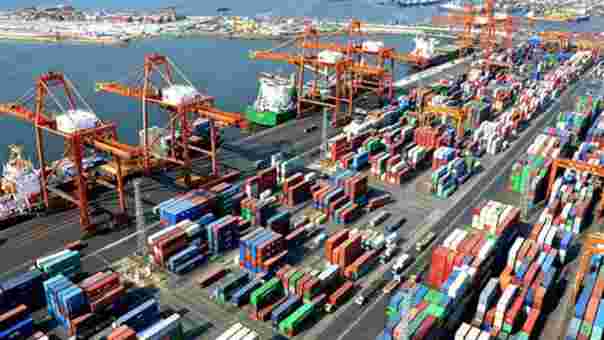
The Ministry of Maritime Affairs has taken significant steps to address the growing issue of congestion at Port Qasim, particularly in the handling of sugar and cement shipments. The situation has raised concerns over the slow discharge of goods, which is affecting export activities and causing delays in the supply chain.
A high-level meeting was convened under the chairmanship of Federal Minister for Maritime Affairs Muhammad Junaid Anwar Chaudhry. The session aimed to assess the current state of operations and explore ways to improve efficiency. Key stakeholders were present, including senior officials from various departments and representatives from trade associations.
Key Participants and Their Roles
The meeting featured a diverse group of participants, such as:
- Secretary Maritime Affairs Syed Zafar Ali Shah
- Secretary Commerce Jawad Paul
- Chairman Port Qasim Authority Rear Admiral (Retd.) Syed Moazzam Ilyas
- Acting Chairman Karachi Port Trust Rear Admiral Atiq-ur-Rehman
- Chief Executive Officer of the Trading Corporation of Pakistan (TCP) Syed Rafeo Bashir Shah
- Technical Advisor Maritime Affairs Commodore (Retd.) Muhammad Jawad Akhtar
- Representatives of the Cement Exporters Association led by Arif Habib
This gathering highlighted the importance of collaboration among different entities to resolve logistical challenges effectively.
Focus on Operational Efficiency
During the meeting, Junaid Anwar Chaudhry emphasized the need to enhance operational efficiency and align port management with national logistics priorities. He stressed that all ports must work towards improving their discharge processes to avoid congestion, which can lead to delays, increased costs, and disruptions in the supply chain.
The minister noted that the current unloading rate of sugar at Port Qasim is below the port’s potential capacity. To address this, he directed the Port Qasim Authority (PQA) to optimize sugar unloading operations, aiming for a daily capacity of 4,000 to 4,500 tons.
Strategic Measures and Directives
The meeting also reviewed directives from the Prime Minister’s Office, which included utilizing Gwadar Port for up to 60 percent of sugar imports. This move is intended to alleviate the pressure on Karachi’s terminals. Additionally, participants discussed berthing priorities and measures to prevent bottlenecks that affect the turnaround of export-bound ships.
It was agreed that all vessels at Port Qasim and Karachi Port would be berthed strictly on a first-come, first-served basis. The TCP was instructed to improve its operational planning, ensure better coordination of vessel arrivals, and maintain continuous communication with port authorities to avoid future congestion.
Enforcement and Accountability
Both port authorities were tasked with enforcing the berthing policy and closely monitoring discharge performance. Penalties will be applied in cases of unnecessary delays. The federal minister directed all relevant agencies, including TCP and other state importers, to synchronize their freight movement plans with the Ministry of Maritime Affairs ahead of cargo arrivals.
Junaid Anwar Chaudhry commended the constructive engagement of all participants and emphasized that consistent adherence to the agreed measures and performance standards is essential to sustaining ports’ efficiency and preventing a recurrence of such logistical disruptions.
Conclusion
The initiatives taken by the Ministry of Maritime Affairs reflect a proactive approach to addressing port congestion. By focusing on operational efficiency, stakeholder collaboration, and strategic planning, the ministry aims to ensure smooth and timely discharge of consignments. These efforts are crucial not only for the immediate relief of current issues but also for the long-term sustainability of maritime operations in the region.