
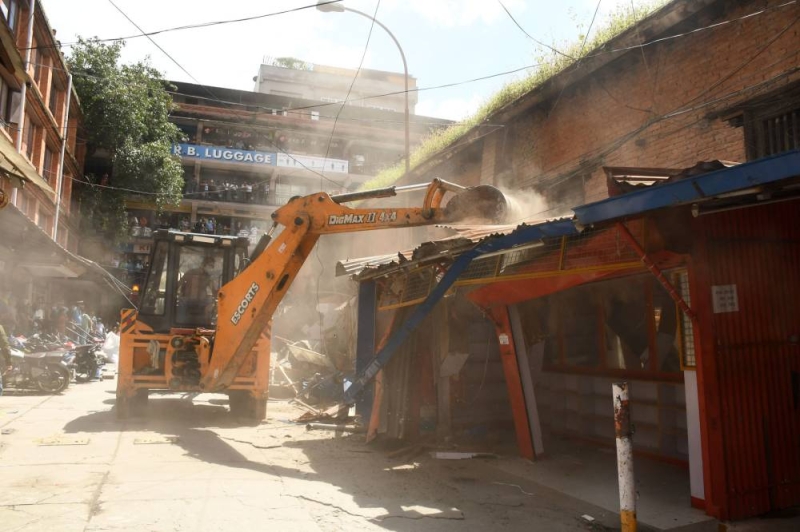
KMC Revises Stance on Public Land Encroachment
Kathmandu, Nov. 10 — The Kathmandu Metropolitan City (KMC) has revised its initial approach regarding the removal of settlements built on public land. Previously, the city had considered immediate action to clear such areas, but it now plans to first investigate complaints before taking any steps.
According to sources within the KMC, the city has received a significant number of complaints about unauthorized encroachments and structures that do not meet urban development standards. These reports followed a seven-day public notice issued jointly by the KMC and the Kathmandu Valley Development Authority (KVDA) on October 31. The notice urged occupants to vacate the encroached land within a week.
The mayor’s office of KMC has emphasized that all complaints will be thoroughly examined before any action is taken against illegal structures. This shift in policy aims to ensure that decisions are made based on accurate information and proper evaluation.
Key Details of the Notice
- Public Notice Period: The notice was issued on October 31 and gave a seven-day window for occupants to voluntarily leave the encroached areas.
- Collaboration with KVDA: The joint effort between KMC and KVDA highlights the importance of coordinated action in addressing land encroachment issues.
- Focus on Compliance: The new approach prioritizes investigation over immediate eviction, which could lead to more informed and fair outcomes.
Implications of the Revised Policy
This change in strategy may have several implications for both the authorities and the residents involved. By conducting thorough investigations, the KMC can better understand the extent of the problem and identify the most appropriate course of action. This could help prevent potential conflicts and ensure that the rights of all parties are respected.
Additionally, the revised policy may encourage more transparency and accountability in the process. Residents who have been occupying the land without proper authorization will now have an opportunity to present their case before any formal action is taken.
Next Steps
Following the investigation phase, the KMC will determine whether to proceed with the removal of illegal structures. This decision will depend on the findings of the investigations and the responses from the affected residents.
It is expected that the KMC will continue to engage with the community throughout this process. Public consultations and feedback sessions may be organized to ensure that all voices are heard and that the final decisions reflect the needs and concerns of the people.
Conclusion
The Kathmandu Metropolitan City’s revised stance on land encroachment marks a significant shift in its approach to handling such issues. By prioritizing investigation and transparency, the KMC aims to address the problem in a more equitable and effective manner. This step could set a precedent for future actions related to urban development and land use in the region.