
Surge in Whooping Cough Cases in Texas and Beyond
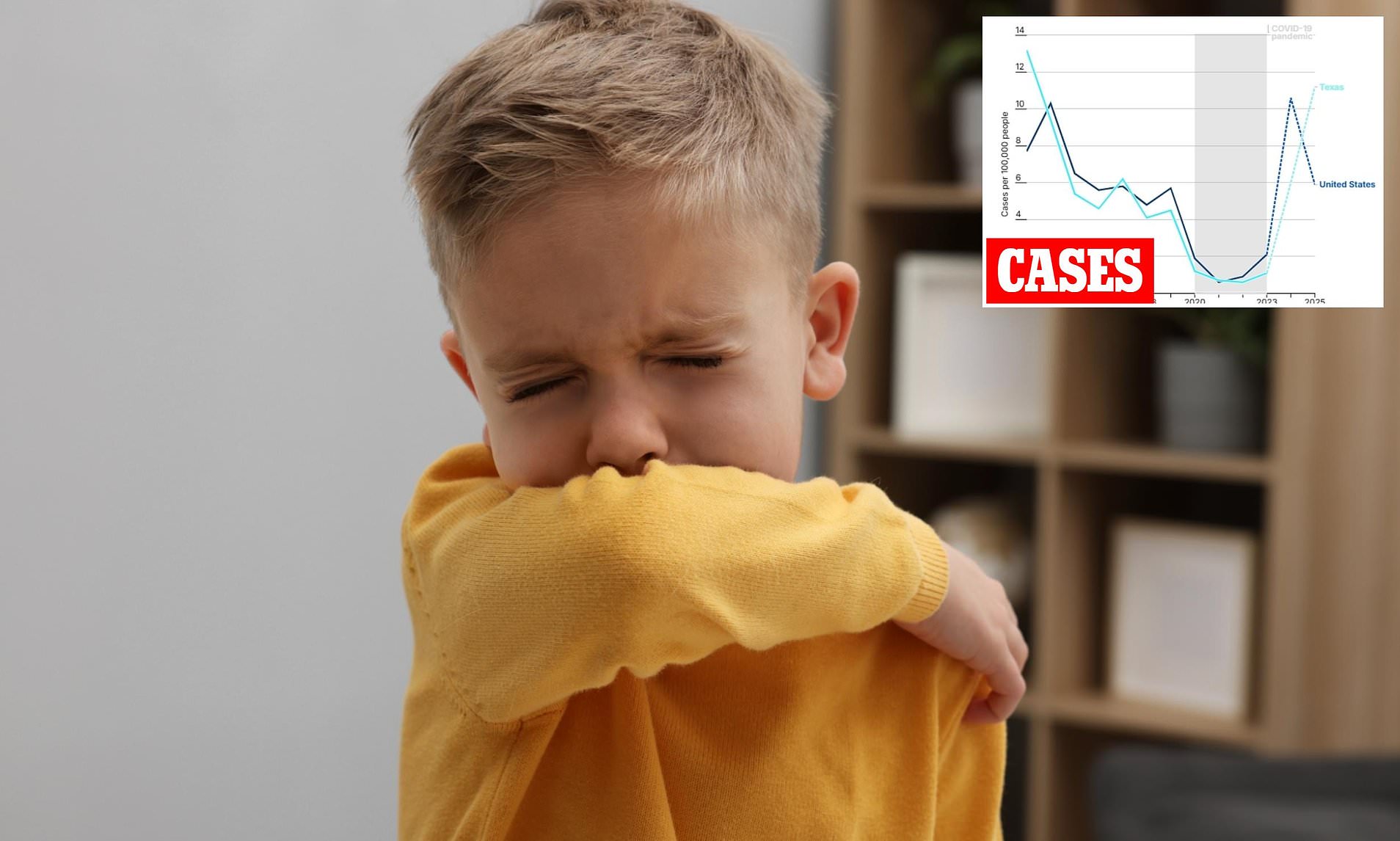
Cases of whooping cough, a disease that dates back to the Victorian era, have reached an 11-year high in Texas. According to state data, more than 3,500 cases of pertussis were recorded by the end of October this year, with the current tally already four times higher than in 2024, 10 times higher than in 2023, and the highest number since 2014. This is just below the record set in 1959, when 3,985 cases were detected.
The rise in whooping cough cases is not isolated to Texas. Nationally, the number of cases has also increased, with 2024 seeing a six-fold increase compared to the previous year. However, the latest data for the U.S. is not yet available due to the ongoing government shutdown, which has lasted for 42 days.
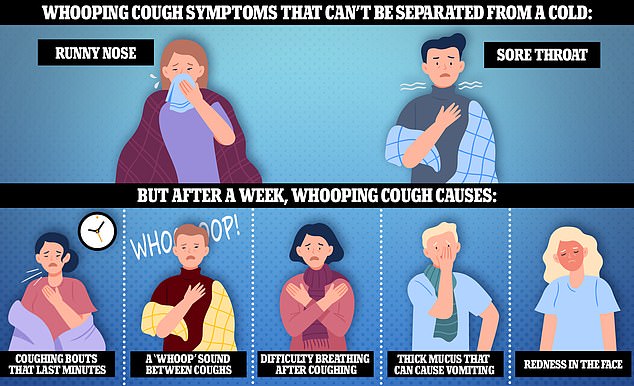
Whooping cough is a highly contagious respiratory illness caused by the bacteria Bordetella pertussis. It spreads easily through tiny droplets in the air and typically starts with cold-like symptoms and a mild cough. After a week or two, the cough becomes severe and can last for several weeks. In serious cases, patients may suffer from prolonged coughing fits that lead to broken ribs, pneumonia, seizures, and even brain damage. Infants are particularly vulnerable, with one in 50 unvaccinated children under six months old not surviving the infection.
The disease can be prevented through the DTaP vaccine, which is 98% effective at protecting against Bordetella pertussis. It is administered in a five-dose series starting at two months of age and continuing until six years old. Boosters are given as the Tdap vaccine to adolescents and adults.
Despite the effectiveness of the vaccine, uptake has declined in Texas amid growing vaccine skepticism. Last school year, 92% of kindergarteners were fully vaccinated with Tdap, down from 94% in the previous year. Experts emphasize that herd immunity, which prevents the spread of disease, requires at least 95% vaccination rates. However, Texas has not met this threshold since at least 2012.
Texas officials have raised the alarm over the surge in cases, issuing a health alert last week. While they did not reveal the number of hospitalizations or deaths, they noted that 85% of those infected with whooping cough in 2025 were children. The vaccination status of these children remains unclear.
There is also no information on specific areas in the state where cases are surging. Texas officials warned that this is the second consecutive year they have recorded a rise in whooping cough cases and the second year in a row they have issued a health alert over the disease.
In their alert, officials stated: “Pertussis cases in Texas and the United States were lower than usual during and immediately following the Covid pandemic, but pertussis activity has quickly rebounded in the last few years.”
They added: “The best way to protect against pertussis is immunization. Parents should ensure children are up-to-date on pertussis immunizations, and pregnant women and others who will be around newborns should get a booster dose to protect babies from what can be a deadly infection.”
Dr. Hector Ocaranza, a pediatrician at the Texas Medical Association, expressed concern over the increasing trend in cases. He said: “We practitioners and public health professionals are concerned because we are seeing a year-after-year trend of significant increases in cases when this is preventable. Especially a disease that can have such a severe effect on infants, older people, and those who have chronic conditions.”
The surge comes shortly after Texas ended its measles outbreak, which saw 762 confirmed cases and two deaths—the largest outbreak in the state since 1992. The outbreak was primarily among unvaccinated school-age children along the Gulf of America coastline. Health and Human Services Secretary Robert F. Kennedy Jr. visited the area and urged people to get vaccinated before the outbreak ended.

The situation is not unique to Texas. Florida has also raised concerns over rising whooping cough cases. As of September 27, the state had recorded 1,295 cases—an 81% increase from the previous year. DTaP vaccination rates in Florida dropped to 90.6% in 2024, the lowest in a decade.
Before the introduction of the whooping cough vaccine in 1948, the U.S. saw up to 250,000 cases annually, with 7,300 to 9,000 deaths. Since then, cases have steadily declined by more than 90% each year compared to the pre-vaccine era, according to the CDC.
However, the CDC has also noted that Bordetella pertussis is prone to mutations, which could make it more capable of evading vaccines. Dr. Marcos Mestre, chief clinical operations officer at Nicklaus Children’s Health System in Miami, recently told CBS: “We have been seeing some increase in pertussis cases that are coming through our emergency departments. Not necessarily requiring admission, but coming in for evaluation and treatment. They’re coughing to the point that they can’t catch their breath. And those are the children we really worry about, when infants are getting infected and that could cause more severe illness.”