Gondar City Embarks on a New Era of Development and Heritage Preservation
Gondar City, located in Ethiopia, is experiencing a remarkable transformation. Enthusiastic residents believe the city is entering a new era, driven by large-scale government-backed development projects that are not only preserving its rich historical legacy but also securing its future.
From the restoration of internationally recognized heritage sites such as Emperor Fasil’s Palace to the renewal of essential infrastructure like the Megech Irrigation and Drinking Water Dam, Gondar is witnessing clear evidence of committed leadership and peace. These efforts have been praised by locals who have spoken about the city’s significant transformation under the special attention of the federal government.
Residents hail this change as the city’s revival and the beginning of a new historical chapter. Prime Minister Abiy Ahmed recently visited Gondar to review the progress of these initiatives and officially reopened the historic Emperor Fasil Church, which has been fully renovated and restored.
The people of Gondar have expressed their appreciation for the government’s efforts, highlighting the transitional administration’s dedication to tangible national development. Mera Abtew noted that the ongoing projects led by the Prime Minister have revived Gondar’s legacy as a center of civilization, architecture, and art.
“Although Ethiopia has seen many leaders throughout its history, only Prime Minister Abiy has rescued the heritage of Emperor Fasil Palace from the existential threats they faced through restoration and repair,” he said.
Similarly, Admasie Demoz emphasized that the restoration of Emperor Fasil Palace, recognized as a site of international heritage, has preserved the city’s rich history and reinforced its long-standing cultural identity.
“The Prime Minister said, ‘Gondar is being reborn,’ and we are ready to stand alongside our leaders to make history and contribute to this new chapter of revival,” he added.
Infrastructure Development and Public Participation
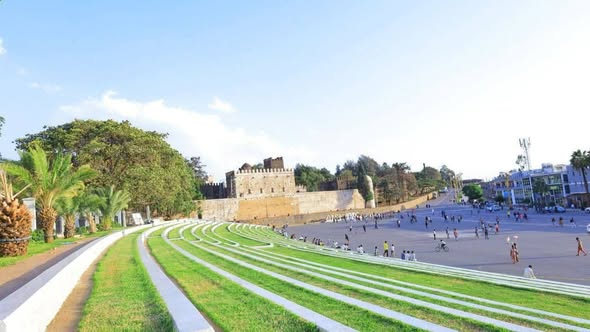
Residents have also commended the focus on advancing key infrastructure, including the Megech Irrigation and Drinking Water Dam, which has overcome major challenges and is now making significant construction progress. The extensive corridor development projects, carried out with strong public participation, have visibly transformed the city.
Resident Fiseha Adane noted that these efforts have enhanced Gondar’s appearance and are boosting tourism. “The high attention given by the Prime Minister and his administration to Gondar’s development has not only turned promises into action but has also brought great joy and hope among the people,” he said.
He emphasized that these ongoing mega projects are a direct result of the peace and stability currently prevailing in the area, stating that residents are ready to play their part in maintaining sustainable peace to ensure continued progress.
The renewed construction of the Megech River Irrigation and Drinking Water Project and the Azazo–Gondar Concrete Asphalt Road, long-standing public demands, is now underway. The corridor development project, in particular, is vital for beautifying the city, spurring economic growth, and creating a welcoming environment for visitors.
Restoration of Emperor Fasil Palace
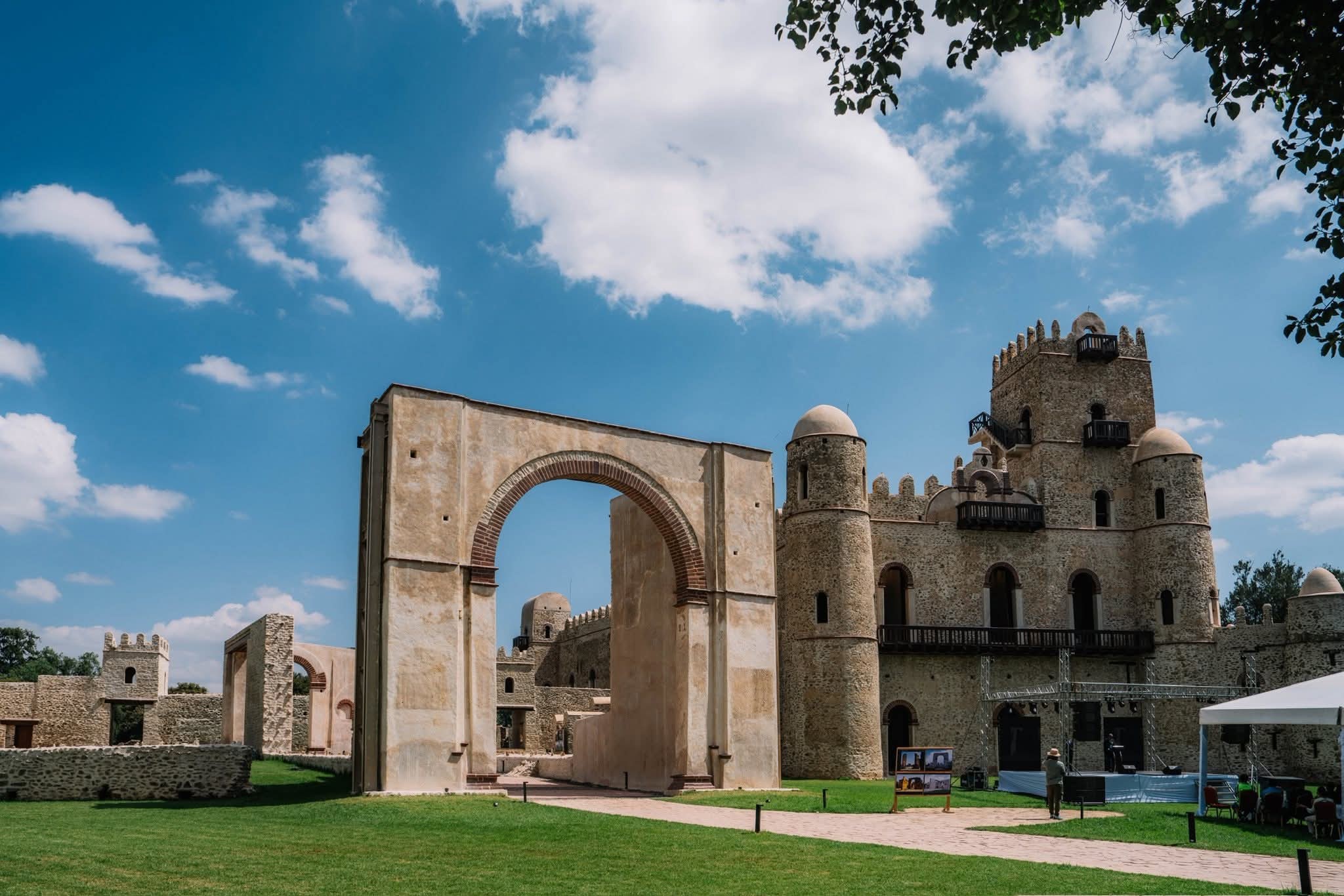
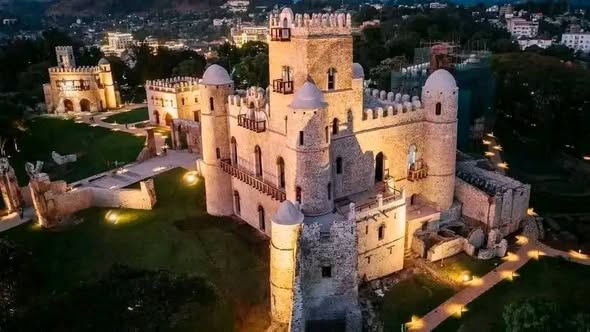
The Emperor Fasil Palace, part of the larger Fasil Ghebbi complex in Gondar, faced near extinction after close to 400 years of neglect. Through extensive renovation and maintenance work, this treasured UNESCO World Heritage site has been preserved and recently received a new lease on life.
On November 7, 2025, Prime Minister Abiy Ahmed, accompanied by First Lady Zinash Tayachew and senior officials, officially inaugurated the extensively refurbished Fasil Palace Compound. The Premier noted the project will preserve the site’s history while enhancing its beauty and accessibility.
The meticulous restoration involved repairing iconic palace structures, including those of Emperors Fasil, Yohannes I, and Eyasu I, improving pathways, and carefully restoring key buildings using traditional materials like cedar and wanza wood to maintain the authentic character of Ethiopia’s ancient capital, alongside significant upgrades to visitor amenities such as a new tourist center and improved security systems.