Nyeri Governor’s Controversial Remarks and the Aftermath
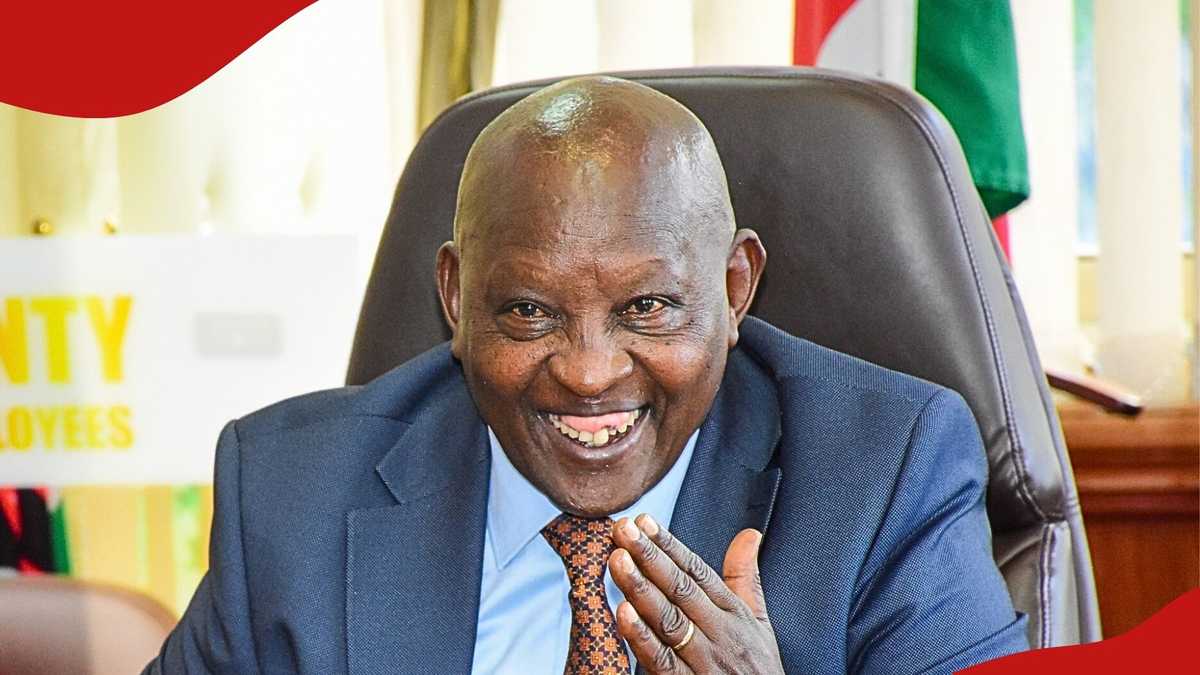
Nyeri Governor Mutahi Kahiga found himself at the center of a major political controversy after making remarks that appeared to celebrate the death of former Prime Minister Raila Odinga. The statements, which were widely criticized, led to significant backlash from both the public and political leaders.
Kahiga initially distanced himself from the comments, claiming that the media had misquoted him. He insisted that his intention was not to express joy over Raila’s passing but rather to highlight the challenges faced by the region under Raila’s leadership. However, his explanation did little to quell the outrage, as many felt his words were deeply disrespectful and offensive.
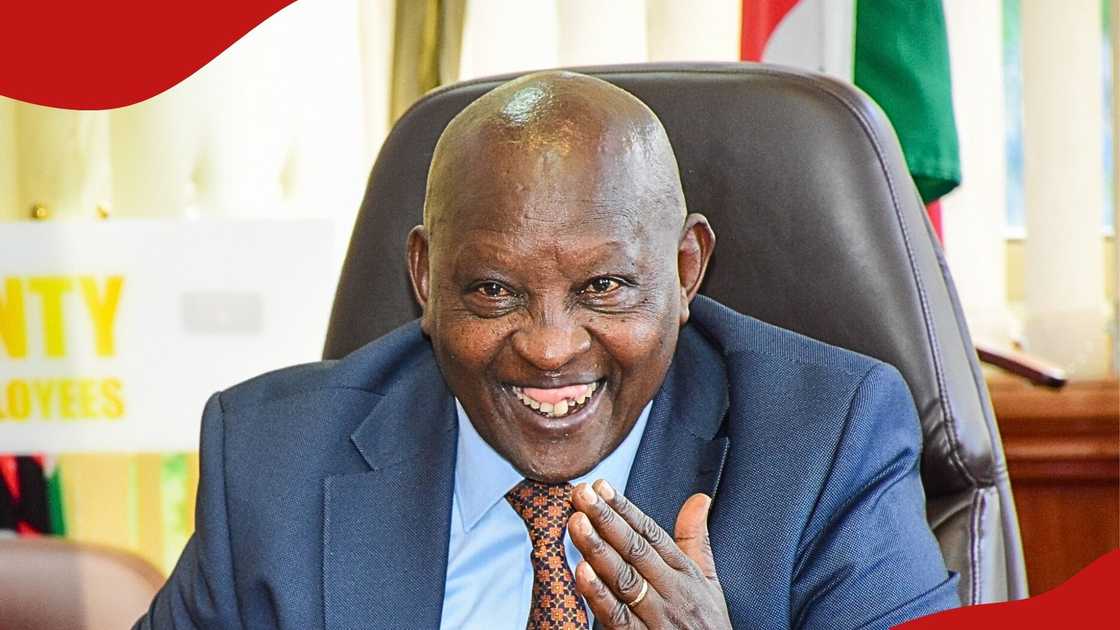
During a funeral in Kieni, Kahiga made a statement suggesting that Raila had hindered development in the Mt. Kenya region. He reportedly said, “God came through for them by bringing his death.” This comment sparked national outrage and was condemned by various leaders and citizens alike. The fallout was so severe that Kahiga was forced to resign from his position as vice chairperson of the Council of Governors.
Despite issuing an apology and stepping down from the council role, pressure continued to mount for Kahiga to resign from his gubernatorial post. Many argued that Raila’s legacy, particularly his work in promoting devolution, made Kahiga’s remarks unacceptable. Some even called for his arrest and prosecution, citing incitement and disrespect toward a national figure.
Why Did Kahiga Deny Celebrating Raila’s Death?
In response to the backlash, Kahiga maintained that his words were misrepresented. He urged the media to report his statements accurately and claimed that the coverage distorted his message. However, he also admitted that the controversy brought him significant publicity. He noted that he was featured in newspapers, on radio, and on television for three consecutive days.
“I didn’t say those words. Even if you listened carefully, did I really say those things? But I got publicity. For three days I was in the newspapers, on the radio, and on TV. So let’s just say it was a good thing,” he said.
This ironic acknowledgment highlighted the complex nature of the situation, where Kahiga seemed to benefit from the controversy despite the initial backlash.
What Happened to Raila Odinga?
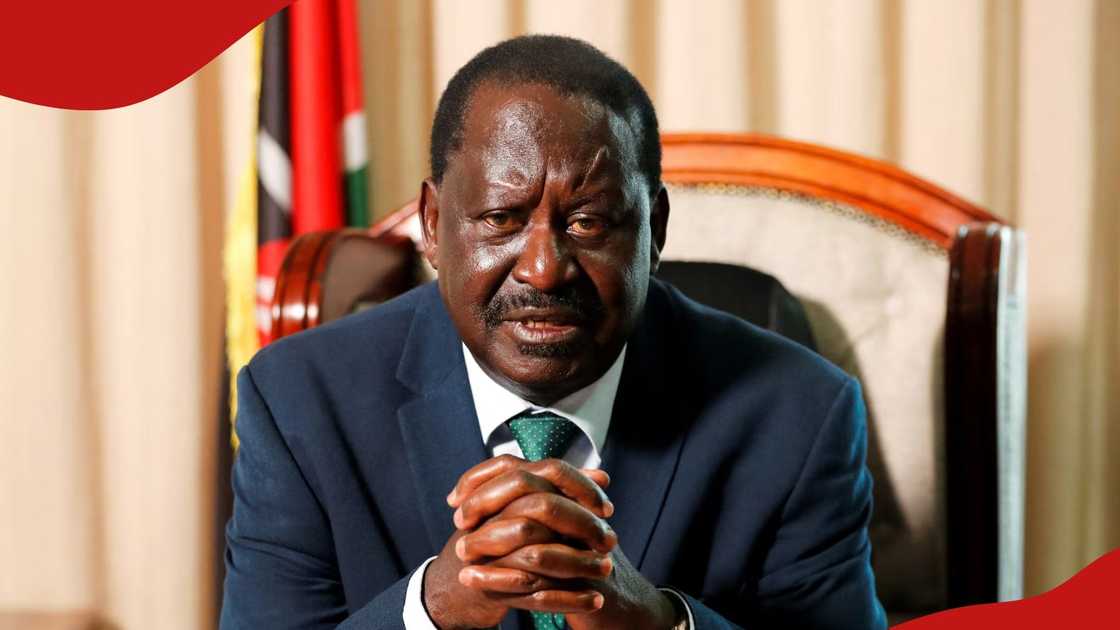
Raila Odinga, the former opposition leader, passed away due to cardiac arrest while recovering in Kerala, India, after undergoing treatment in Mumbai. His family reported that a blood clot in his cheek caused fatigue, a side effect of his medication, which led to his transfer to India.
On the day of his death, Raila collapsed during a morning walk. He was rushed to the Intensive Care Unit (ICU), but efforts to resuscitate him were unsuccessful. His passing marked the end of a significant chapter in Kenyan politics, leaving a lasting impact on the nation.
The Broader Implications
The incident raised important questions about the responsibility of public figures and the power of the media in shaping public perception. It also underscored the sensitivity surrounding the death of prominent political leaders, especially those with a strong legacy and influence.
As the political landscape continues to evolve, the events surrounding Kahiga’s remarks serve as a reminder of the delicate balance between free speech and respect for public figures. The situation also highlights the need for accurate reporting and responsible commentary in the media.