
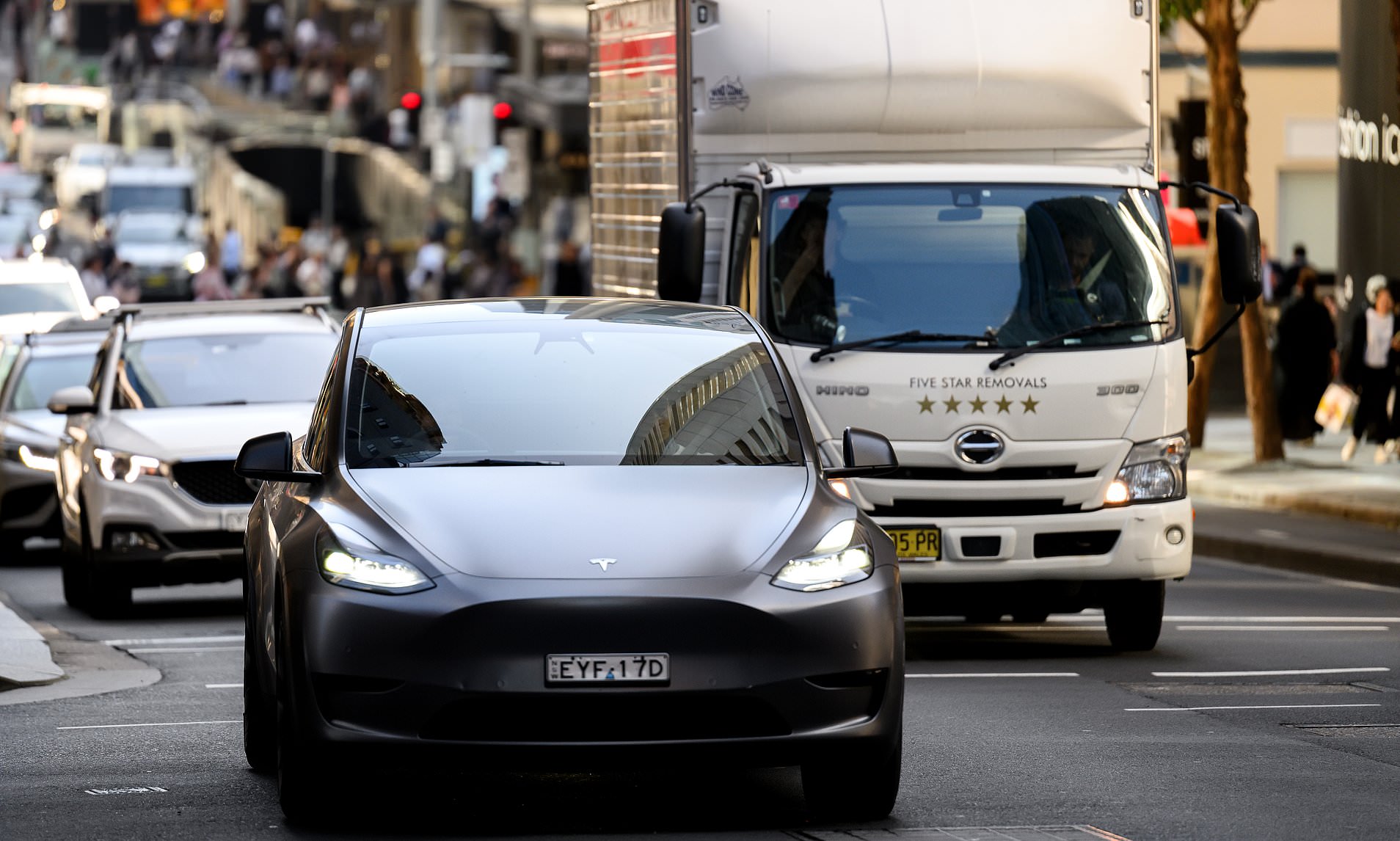
Rising Popularity of Electric and Hybrid Vehicles in Australia
Australian drivers are increasingly opting for electric and hybrid vehicles, leading to a significant decline in the sales of petrol and diesel cars. This shift is being driven by a combination of environmental concerns, economic factors, and changing consumer preferences.
According to the Australian Automobile Association’s quarterly Electric Vehicle Index, the market share of internal combustion engine vehicles has dropped more than 11 percentage points in just two years. This decline marks a record low for petrol-powered vehicles, as electric and hybrid models continue to gain traction.
The data reveals that traditional fuel-powered vehicles accounted for 69% of car sales between July and September, a sharp drop from over 81% in the same period in 2023. During this time, there were 37,000 fewer fuel-powered vehicles sold. In contrast, electric vehicles achieved their highest market share yet at 9.7%, while hybrids made up 16.5% of the market. Plug-in hybrids also saw growth, reaching 4.1% of the market.
Aman Gaur, policy head of the Electric Vehicle Council, highlighted the shift in consumer behavior. “The trend is clear: Australians are moving away from petrol cars, these expensive-to-run, environmentally dangerous cars, to cars that are better for the environment and better for the hip pocket,” he said. He added that by the end of 2027, petrol cars could be less than 50% of the market.
The high cost of petrol and rising inflation have played a role in this transition, with many motorists seeking ways to reduce household expenses. However, despite the growing popularity of electric and hybrid vehicles, petrol and diesel-powered cars still dominate sales in most vehicle categories.
Hybrid and electric cars together made up more than 80% of medium-sized vehicles sold, and they also outnumbered fuel-powered options among medium-sized SUVs. Nevertheless, greater adoption of low-emission vehicles is needed to meet Australia’s 2035 environmental target, according to Gaur.
He called on state and territory governments to reconsider their decision to remove financial support for electric-car purchases. “The federal government’s ambition is laudable, and we’d really encourage the state governments who have pulled back all vehicle incentives in the last 12 months to recommit themselves,” he said.
The Climate Change Authority reported that 50% of all light vehicles purchased in the next decade would need to be electric to meet the government’s emissions target of reducing emissions by between 62 and 70%.
As the automotive landscape continues to evolve, several questions remain:
- As consumer interest wanes, could hybrid vehicles be the saviors of Australia’s automotive market?
- Is Australia’s love affair with petrol cars facing its end as sweeping emissions regulations pave the way for an electric vehicle revolution?
- Are electric vehicle buyers set to abandon ship as plug-in hybrids surge ahead in Australia?
- Will Australians be forced to pay exorbitant prices for their next hybrid or petrol vehicle thanks to new EV policies?
- Will petrol dominance hold as second-hand electric cars experience a colossal 59% sales explosion?