
Legal Challenge Against Real Estate Measures
The Reform Party has taken legal action against the recent real estate measures implemented by the government, filing a lawsuit for cancellation and a request for suspension of effect with the Seoul Administrative Court on the 11th. The party argues that the government’s approach to housing price statistics in designating regulated areas lacks legal validity and must be revoked.
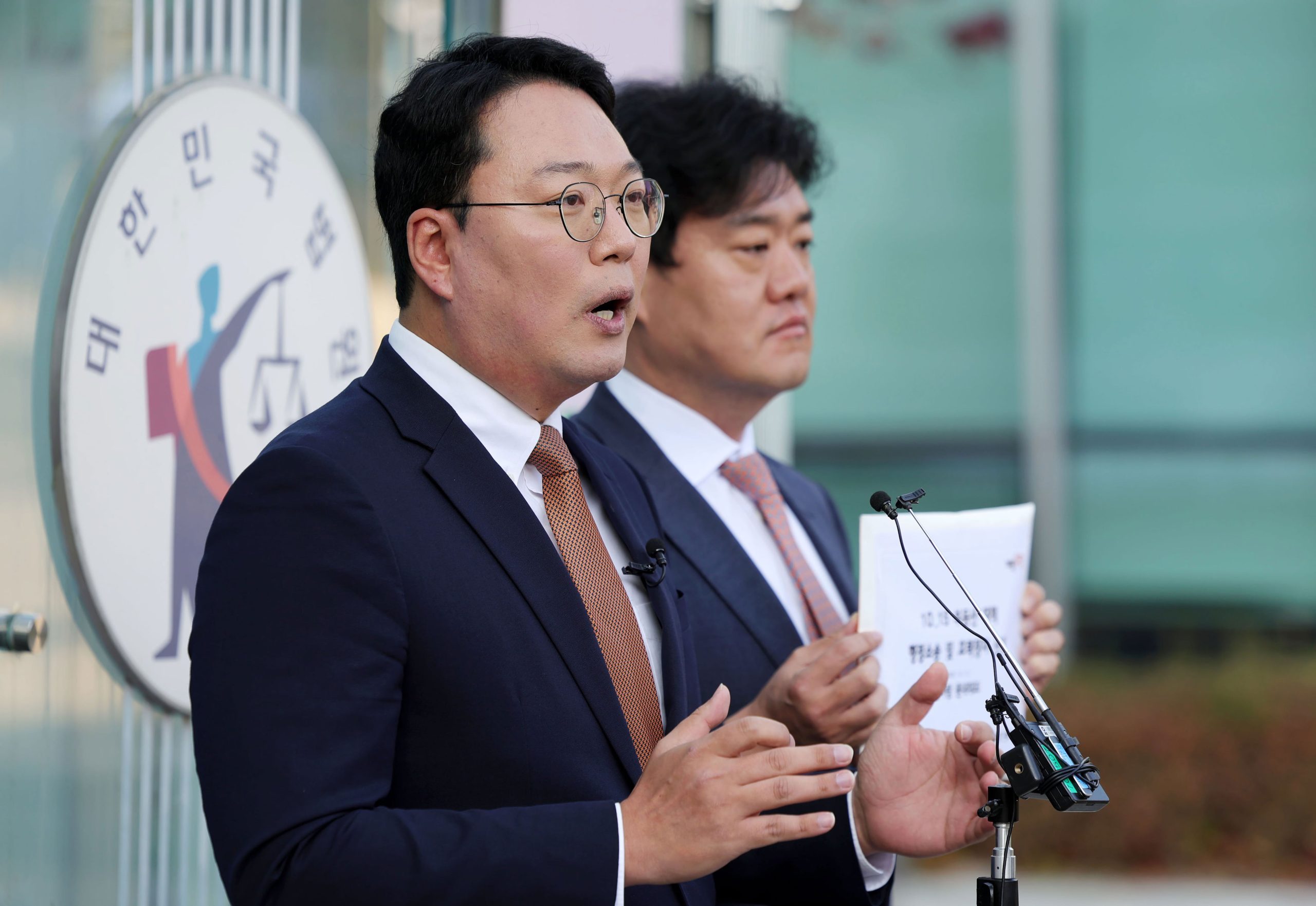
In a press conference held in front of the Seoul Administrative Court in Seocho-gu, Seoul, on the same day, Reform Party Representative Chun Ha-ram criticized the government’s actions. He stated, “The government concealed the September statistics, which clearly exist, and lied with political intent to unlawfully implement the October 15 real estate measures.” He added, “We have come to submit the administrative lawsuit and request for suspension of effect to legally curb the reckless actions of the Lee Jae-myung government.”
Alleged Manipulation of Data
The October 15 real estate measures designated all of Seoul and 12 cities and districts in Gyeonggi Province as regulated areas, including speculative overheating zones and adjustment target areas. According to the opposition party, the government violated relevant regulations by intentionally excluding statistics from the three months prior to the measures. Instead, they used “June to August statistics” as a basis, leading to the inclusion of additional areas.
If the “July to September statistics” had been applied, eight areas—Seoul’s Jungnang-gu, Gangbuk-gu, Dobong-gu, and Geumcheon-gu, as well as Uiwang, Seongnam Jungwon-gu, Suwon Jangan-gu, and Suwon Paldal-gu in Gyeonggi Province—would not have been included in the regulated zones.
Calls for Accountability
Representative Chun emphasized that the measure was a legally unlawful act carried out with political intent. He stated, “If Minister of Land, Infrastructure and Transport Kim Yun-duk loses the administrative lawsuit, he should step down. He is unqualified to serve as the minister.”
He continued, “Residents of areas such as Uiwang, Seongnam, and Suwon in Gyeonggi Province, which would not have been designated as regulated zones if statistics had not been manipulated or distorted, must join forces to fight against the government’s unjust and unlawful infringement of property rights and excessive taxation.”
Demand for Transparency
Chun also highlighted the importance of stopping the politicization of statistics. He said, “Hiding, excluding, and distorting data from the public for political purposes must stop.” This call for transparency underscores the broader concerns about the integrity of government data and its impact on policy decisions.
The Reform Party’s legal challenge reflects a growing dissatisfaction with the current administration’s approach to real estate regulation. As the case moves forward, it will be closely watched by both supporters and critics of the government’s policies. The outcome could set a precedent for how statistical data is used in future regulatory decisions, emphasizing the need for accountability and transparency in governance.