
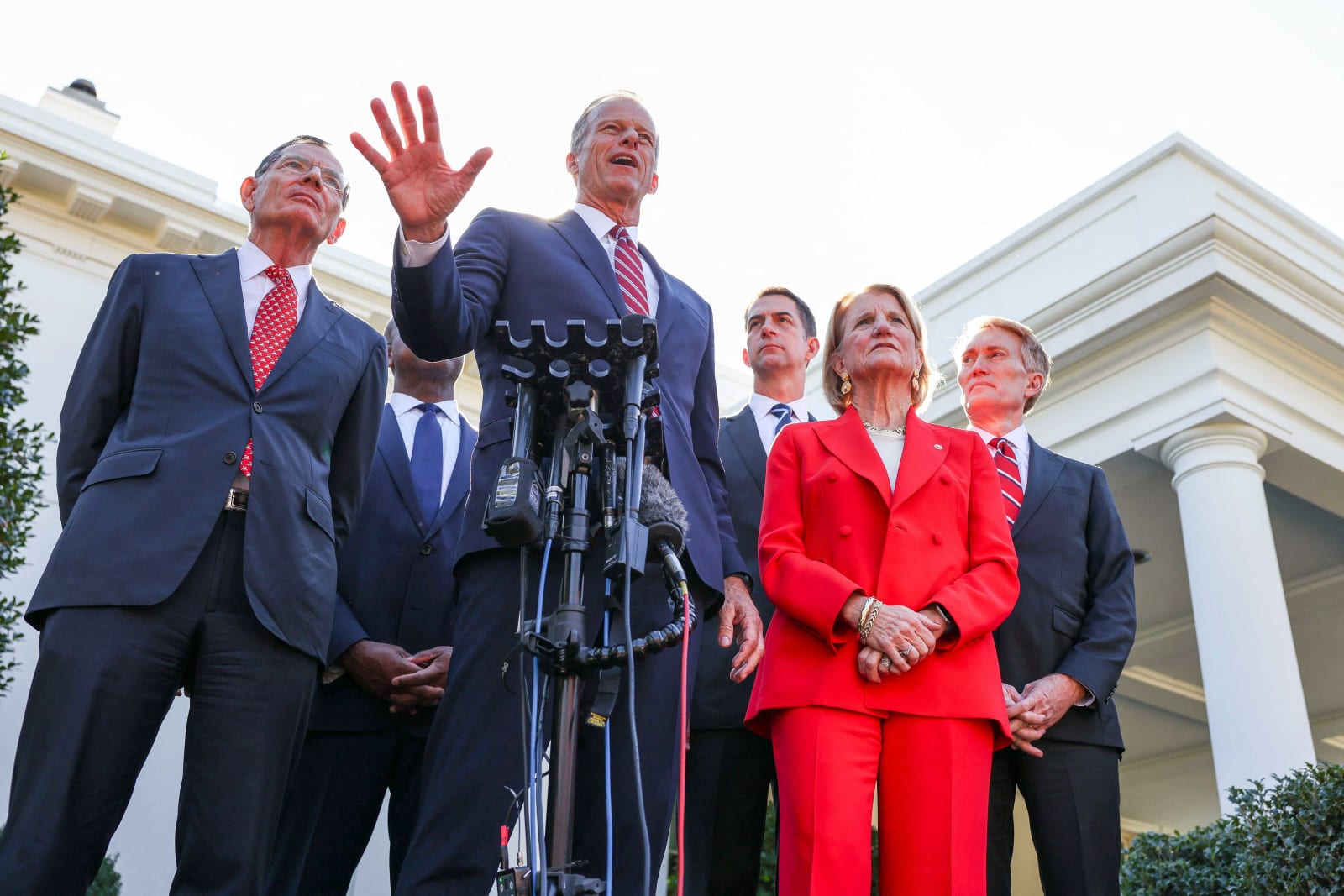
Political Fallout from the Government Shutdown
The recent government shutdown has brought to light significant political challenges for both major parties in the United States. According to a report published by The Washington Post, Republicans are preparing for potential setbacks in the upcoming midterm elections. While Democrats may have temporarily retreated during the longest U.S. government shutdown, the underlying issues surrounding the extension of tax credits under the Affordable Care Act (ACA) could pose long-term risks for the Republican Party.
The report highlights that the prolonged shutdown has not resulted in a clear political winner. Polling data indicates that the public is disapproving of the approaches taken by both parties. In the short term, Democrats are facing the brunt of the political losses, while Republicans are anticipating more serious consequences in the future.
Key Issues and Public Opinion
One of the central points of contention is the extension of tax credits under the ACA. A recent KFF poll revealed that 74% of Americans support extending these tax credits. Among those who support the extension, three out of four individuals believe that either President Donald Trump or congressional Republicans would be primarily responsible if Congress fails to act.
This sentiment underscores the political risk that Republicans face if they attempt to cut costs or remove ACA subsidies. GOP strategists have warned lawmakers to be cautious in their approach. Patrick Sebastian, a GOP strategist from North Carolina, emphasized the need for a “soft landing” in health care policy. He argued that Democrats did not gain any significant advantages from the shutdown and that cutting off ACA subsidies could be a challenging task for Republicans.
“Once you give someone something and you take it away a hundred percent, it’s politically difficult,” Sebastian said.
White House Perspectives
Some White House insiders have expressed confidence that President Trump will not face long-term challenges despite the drop in his approval ratings. They view the shutdown as a temporary setback and have shifted focus to affordability issues. The administration has not directly addressed the ACA or health care policies, instead emphasizing efforts to drive down consumer prices.
According to The Post, the administration suggests that recent declines in the president’s approval rating are just temporary fluctuations. They are focusing on consumer affordability, which has become a political liability. This strategy reflects an effort to reframe the narrative and shift attention away from the immediate fallout of the shutdown.
Broader Implications for the Midterms
The situation has raised concerns among GOP strategists about the upcoming midterms. Analysts warn that the party’s current strategies, such as “dummymandering,” could backfire during the elections. Additionally, the loss of Trump’s protective shield has left some Republicans vulnerable.
Reports indicate that the GOP is increasingly wary of the challenges ahead. With the public’s dissatisfaction evident and the potential for long-term political repercussions, the party must navigate a complex landscape as it prepares for the next round of elections.
Conclusion
The government shutdown has exposed deep divisions within the political system and highlighted the challenges each party faces. For Republicans, the issue of ACA subsidies and the broader implications of the shutdown could have lasting effects. As the political landscape continues to evolve, both parties will need to adapt their strategies to address the concerns of the American public. The coming months will be critical in determining the direction of national politics and the outcomes of the midterms.