
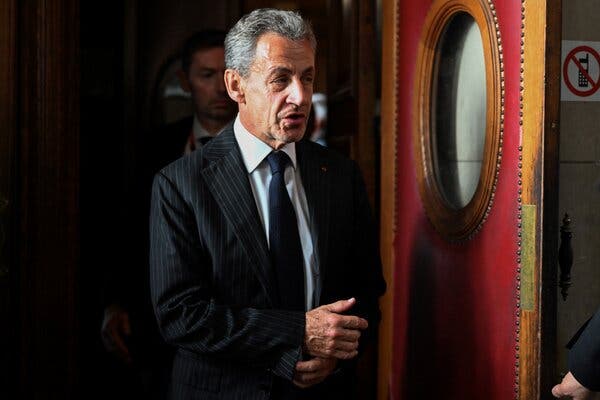
Nicolas Sarkozy Released from Prison After Three Weeks
Former French president Nicolas Sarkozy has been released from prison, just three weeks into a five-year sentence for criminal conspiracy related to his 2007 election campaign. At 70 years old, Sarkozy was sentenced on October 21 for allegedly accepting funds from the late Libyan leader Muammar Gaddafi to finance his campaign. He will now remain under strict judicial supervision and is barred from leaving France ahead of an appeal trial scheduled for March 2026.
The court granted Sarkozy early release following a request from his legal team. Speaking on social media after leaving La Santé prison in Paris, Sarkozy said his “energy is focused solely on the single goal of proving my innocence” and added: “The truth will prevail… The end of the story is yet to be written.”
A Challenging Time in Solitary Confinement
Sarkozy described his time in solitary confinement as “gruelling” and “a nightmare,” but praised prison staff for their “exceptional humanity.” During his incarceration, he had access to a cell with basic facilities, limited daily exercise, family visits, and monitored phone and written communication.
Christina Ingrain, one of Sarkozy’s lawyers, called the release “a step forward” and confirmed the legal team would focus on preparing for the appeal. His wife, Carla Bruni-Sarkozy, and two of his sons, Jean and Pierre, were present at the court to support him.
A Historic Moment in French Politics
Sarkozy is the first French ex-leader jailed since World War Two, when Philippe Pétain was imprisoned for treason in 1945. Since leaving office in 2012, Sarkozy has faced multiple criminal inquiries, including a conviction last December for attempting to bribe a magistrate.
Legal Challenges and Public Reaction
The case has sparked significant public debate in France, with many questioning the implications of jailing a former head of state. Some view it as a necessary step to uphold the rule of law, while others see it as a political move against a prominent figure.
Sarkozy’s release has also raised questions about the future of his legal battles. With an appeal trial set for 2026, the outcome remains uncertain. However, Sarkozy has made it clear that he intends to continue fighting for his innocence.
Impact on French Democracy
The case highlights the complex relationship between politics and the judiciary in France. While the legal system is designed to hold everyone accountable, including those in power, the high-profile nature of Sarkozy’s case has drawn attention to the potential for political influence in judicial decisions.
As the appeal process unfolds, the French public will be watching closely to see how this landmark case plays out. The outcome could have far-reaching implications for the country’s democratic institutions and the perception of justice in France.
Conclusion
Nicolas Sarkozy’s release marks a significant moment in French history. While he is no longer in prison, the legal battle continues, and the question of his innocence remains unresolved. As the appeal trial approaches, the world will be watching to see if the truth will indeed prevail.