
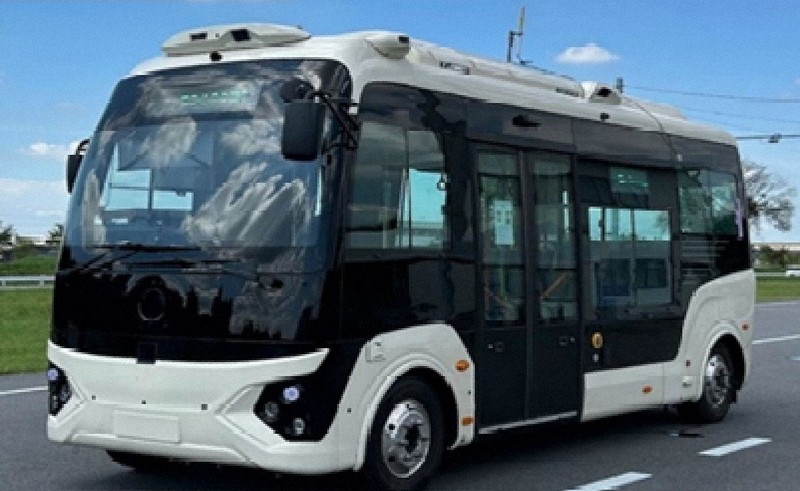
Overview of the Incident
In August, a self-driving bus in the Tokyo suburb of Hachioji was involved in a collision with a roadside tree. This incident occurred during an experimental demonstration on National Route 20 in the Takao area. The accident took place around 11:30 a.m. on August 29 and resulted in minor injuries to three out of the 15 passengers on board.
Root Cause Identified
Authorities have since revealed that the collision was due to the vehicle’s incorrect reading of its position just before the crash. According to the Tokyo Metropolitan Bureau of Urban Development, the positioning error was attributed to a design flaw. Additionally, the system designed to prevent sudden direction changes was not active at the time of the incident.
Technical Details Behind the Error
Self-driving vehicles typically rely on positional information based on coordinates and vehicle direction, which they read every 0.1 seconds. In this case, the bus collided with the tree on the left side of the road after it mistakenly used data from 22 seconds prior. This led to a sudden turn as the vehicle attempted to return to that previous position.
System Limitations
The onboard system meant to disable sudden turns does not activate unless the vehicle is traveling at around 30 kilometers per hour or faster. However, the bus was moving at a slower speed of 20 to 25 kph during the crash. At this speed, the system did not engage, leaving the vehicle vulnerable to unexpected maneuvers.
Contributing Factors
At the time of the incident, the tires were facing about 25 degrees to the left, but the course instructions did not account for this deviation. As a result, the bus veered off its intended path and struck the tree. Notably, there was no independent collision avoidance system in place to prevent such an event.
Implications for Self-Driving Technology
This incident highlights the importance of robust systems and accurate data processing in autonomous vehicles. The failure of the positioning system and the lack of a reliable collision avoidance mechanism underscore the need for continuous improvements in self-driving technology. As these vehicles become more integrated into everyday transportation, ensuring their safety and reliability will be crucial for public trust and adoption.
Lessons Learned
The findings from this incident serve as a reminder of the complexities involved in developing and deploying self-driving technology. It emphasizes the necessity for rigorous testing, advanced sensor integration, and fail-safe mechanisms to prevent similar accidents in the future. By addressing these challenges, developers can work towards creating safer and more dependable autonomous vehicles.