
New Regulations for Renewable Energy in Public Parking Lots
Starting from the 28th, public parking lots with a size of 1,000 square meters or more—approximately 303 pyeong—will be required to install renewable energy generation facilities. This new regulation is part of a partial amendment to the enforcement decree of the ‘Act on the Promotion of Development, Utilization, and Distribution of New and Renewable Energy.’ The amendment was approved during a Cabinet meeting by the Ministry of Climate, Energy and Environment.
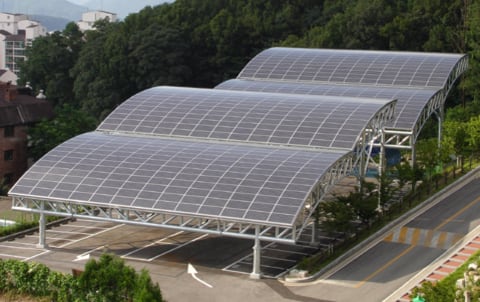
The key aspect of this amendment is that public parking lots with a parking area of 1,000 square meters or more must have generation facilities capable of producing at least 100 kilowatts. Given the structural characteristics of parking lots, which make roof installation feasible, solar power generation facilities are expected to be the primary form of renewable energy installed. This initiative aims to expand the supply of renewable energy into urban areas.
Expanding the Renewable Energy Base
The Ministry has been working to increase the renewable energy base through a system that requires power generators to supply renewable energy and obligates public institutions’ buildings to install renewable energy facilities. This latest amendment continues that effort by extending the requirement to public parking lots.
The government plans to conduct policy briefings for local governments and public institutions starting in December. These briefings will provide detailed information on the new regulations and how they can be implemented effectively.
Minister’s Statement on the Policy
Minister of Climate Kim Sung-whan emphasized the importance of the new regulation, stating, “The mandatory installation of renewable energy facilities in public parking lots is a way to increase the efficiency of land use.” He added that the government is committed to accelerating the carbon-neutral green transition by expanding the supply of renewable energy in various ways.
Benefits of the New Regulation
This new regulation offers several benefits:
- Increased Renewable Energy Supply: By requiring public parking lots to install renewable energy facilities, the government is taking a significant step toward increasing the availability of clean energy.
- Efficient Land Use: Public parking lots often occupy large areas of urban land. By utilizing these spaces for renewable energy generation, the government is making better use of available resources.
- Environmental Impact: The shift toward renewable energy helps reduce greenhouse gas emissions and supports the global effort to combat climate change.
Implementation and Future Steps
The implementation of this regulation will require coordination between the Ministry of Climate, Energy and Environment, local governments, and public institutions. The government will need to ensure that all affected parties understand the requirements and have the necessary support to comply with the new rules.
In addition to the policy briefings, the government may also provide guidance on the types of renewable energy facilities that can be installed, as well as financial incentives or subsidies to encourage compliance. This approach will help ensure a smooth transition to the new standards.
Conclusion
The introduction of this new regulation marks an important milestone in the country’s efforts to promote renewable energy and achieve a more sustainable future. By requiring public parking lots to install renewable energy facilities, the government is not only expanding the renewable energy base but also demonstrating a commitment to efficient land use and environmental responsibility.
As the policy takes effect, it will be crucial to monitor its impact and make adjustments where necessary. With continued efforts and collaboration, this initiative has the potential to serve as a model for other regions looking to integrate renewable energy into their urban infrastructure.