
Factors Contributing to Stable Fuel Prices and Inflation Control
Moderate oil prices and a stronger rand have played a significant role in keeping fuel costs low in South Africa this month. This development is expected to help contain inflation, according to Annabel Bishop, the chief economist at Investec. She highlighted that with current oil prices remaining stable and the rand showing relative strength against the dollar, there is unlikely to be a significant impact on fuel prices in October.
As of last Wednesday, all grades of petrol and diesel saw a decrease in price due to a combination of factors, including lower oil prices and the strengthening of the rand against the US dollar. The Minister of Mineral and Petroleum Resources, Gwede Mantashe, announced this change, emphasizing its positive effect on both fuel prices and overall inflation.
“The moderate oil prices and rand strength have been positive for fuel prices in South Africa, and so for inflation,” said Bishop. “With virtually no change in the petrol price signalled for October, this will not impact October’s CPI outcome.”
Currently, inflation stands at 3.4%. According to the Department of Mineral Resources and Energy, the petrol price in South Africa is directly linked to the price of petrol quoted in US dollars at refined petroleum export-orientated refining centres in the Mediterranean area, the Arab Gulf, and Singapore. As a result, domestic fuel prices are influenced by international crude oil prices, global supply and demand balances for petroleum products, and the rand/US dollar exchange rate.
Bishop noted that the rand is not expected to see substantial movement against the US dollar for the rest of this year or next year. She also pointed out that oil prices are expected to remain moderate due to moderate demand.
This year, the US dollar has weakened by 8.9%, while the rand has strengthened by 8.5% against the dollar. However, Bishop emphasized that as an emerging market currency, the rand remains vulnerable to financial market movements, particularly changes in financial market risk appetite and US interest rate expectations.
Oil Prices and Global Economic Outlook
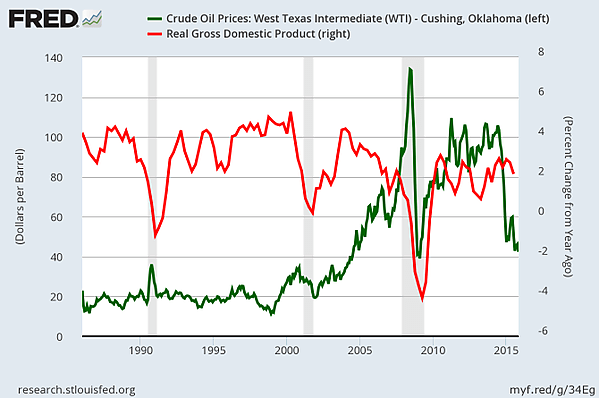
Pointing to continued low oil prices, Bishop mentioned that the Brent crude oil price continues to average below $65 per barrel this month, following a similar trend last month. This is a decline from the $70 per barrel level seen in September, partly due to the suppressing effect of US tariffs on growth expectations.
Bishop added that concerns about the impact of US tariffs on global and US economic growth, particularly for next year, have led to subdued oil markets. Easing quotas have also weighed on oil prices, although the Organization of Petroleum Exporting Countries (OPEC) and its allies have now decided to pause their supply increases next year, creating some uncertainty in the market.
Traditionally, lower oil supplies lead to increased costs, and OPEC+ is known to influence output to control prices. Bishop noted that the International Energy Agency forecasts that oil demand will remain subdued over the remainder of 2025 and in 2026, well below historical trends. This is attributed to a harsher macroeconomic climate and the increasing adoption of transport electrification, which is causing a sharp deceleration in oil consumption growth.
“In an environment of higher tariffs, the very moderate nature of oil prices on ample supply has helped contain inflationary pressures,” said Bishop. “The oil outlook is contained, and as such highlights the likely modest nature of inflation. However, unexpected shocks to the system are always possible and could disrupt this expected case.”