
Japan’s Fiscal Policy: Balancing Discipline and Economic Growth
Prime Minister Sanae Takaichi has made it clear that her government will not immediately abandon Japan’s current fiscal discipline goals. However, she has also signaled a shift in strategy by planning to review the existing single-year approach to restoring the country’s financial health. This move comes as part of broader efforts to strengthen the economy while maintaining long-term fiscal stability.
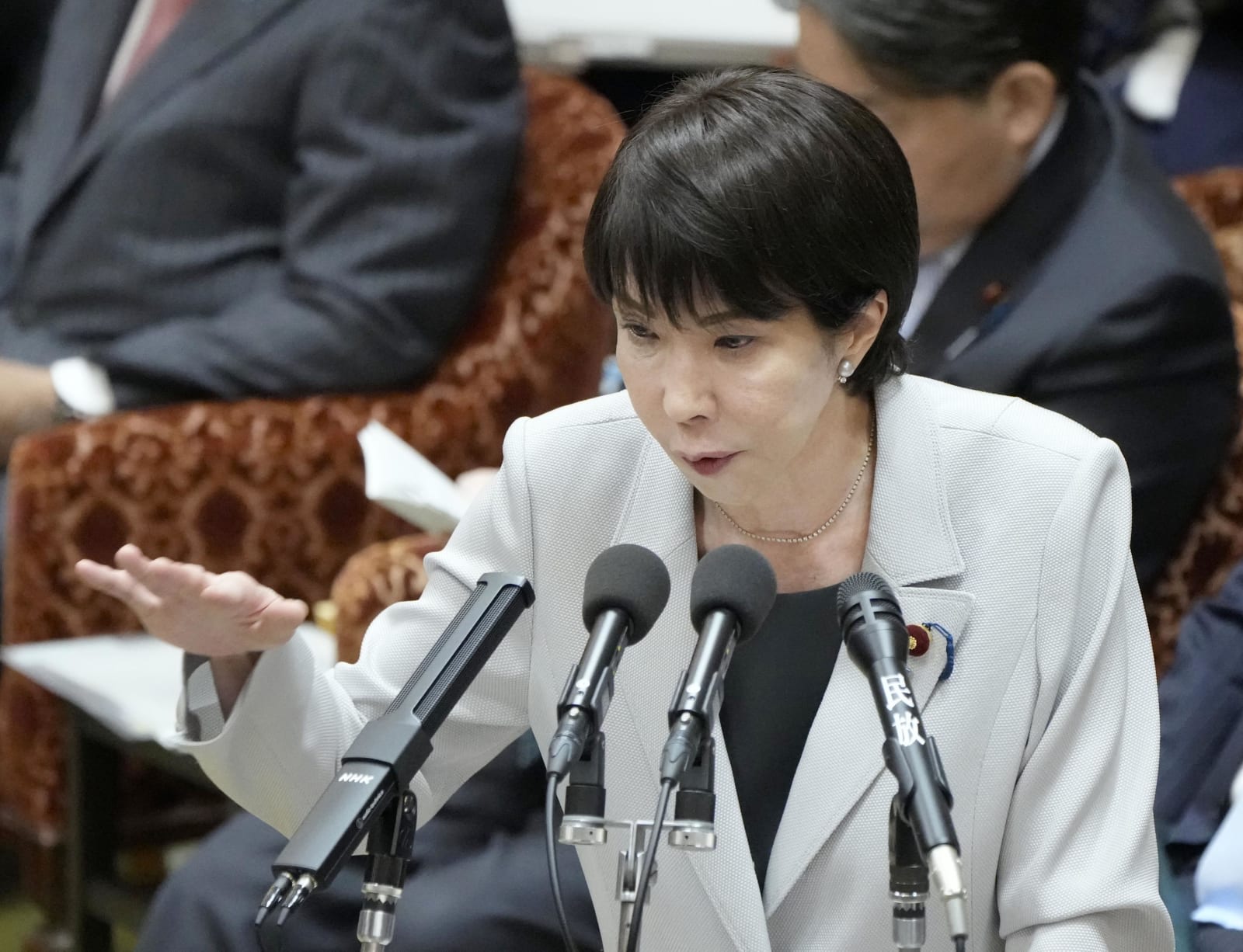
During a parliamentary session, Takaichi emphasized her commitment to boosting fiscal spending to support economic growth. She announced that she would direct officials in January to explore the possibility of adopting a “multi-year” approach to assessing Japan’s fiscal health. While details remain sparse, this shift suggests a more flexible framework for managing the nation’s finances.
Japan’s fiscal situation is among the most challenging in the developed world. The country currently aims to achieve an annual “primary balance surplus” by the end of fiscal 2026, which concludes in March 2027. A primary balance surplus occurs when tax and other revenues exceed spending, excluding debt-servicing costs. This means the government can cover its expenses without relying on new bonds.
In a recent statement, Takaichi indicated that she would not strictly adhere to the goal of achieving a primary budget surplus. Some market observers interpreted this as a signal that further fiscal spending could be on the horizon. Given that Japan’s state debt is already twice the size of its economy, any rise in Japanese government bond yields or continued interest rate hikes by the Bank of Japan could significantly increase debt-servicing costs.
The target of achieving a primary balance surplus was first introduced by the government in fiscal 2001. However, this goal has never been met and has been repeatedly delayed. In June, the previous administration led by Shigeru Ishiba decided to push back the target for a surplus from fiscal 2025 to “over the period from fiscal 2025 to fiscal 2026.”
Takaichi addressed the Budget Committee of the House of Representatives on Monday, reiterating that her government would not scrap the decision approved by her predecessor’s Cabinet. This indicates a continuity in policy despite the potential for future adjustments.
Key Points in Japan’s Fiscal Strategy
- Current Fiscal Target: Achieving a primary balance surplus by the end of fiscal 2026.
- Primary Balance Surplus: Tax and revenue minus non-debt-related spending.
- Debt Situation: Japan’s state debt is twice the size of its economy.
- Interest Rate Impact: Rising bond yields and potential rate hikes could increase debt-servicing costs.
- Policy Shifts: A multi-year approach to fiscal health is being considered.
- Historical Context: The primary balance surplus goal has never been achieved and has been postponed multiple times.
As Japan navigates its complex fiscal landscape, the government faces the challenge of balancing immediate economic needs with long-term financial sustainability. The proposed shift towards a multi-year approach may offer a more realistic path forward, but it will require careful planning and execution to ensure that the country’s financial health remains on a stable trajectory.