
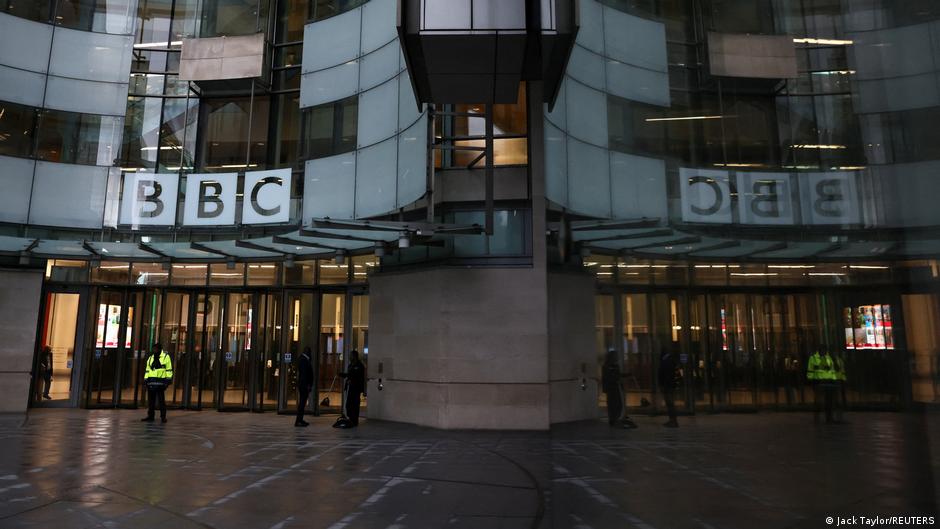
BBC Executives Resign Over Controversial Trump Documentary
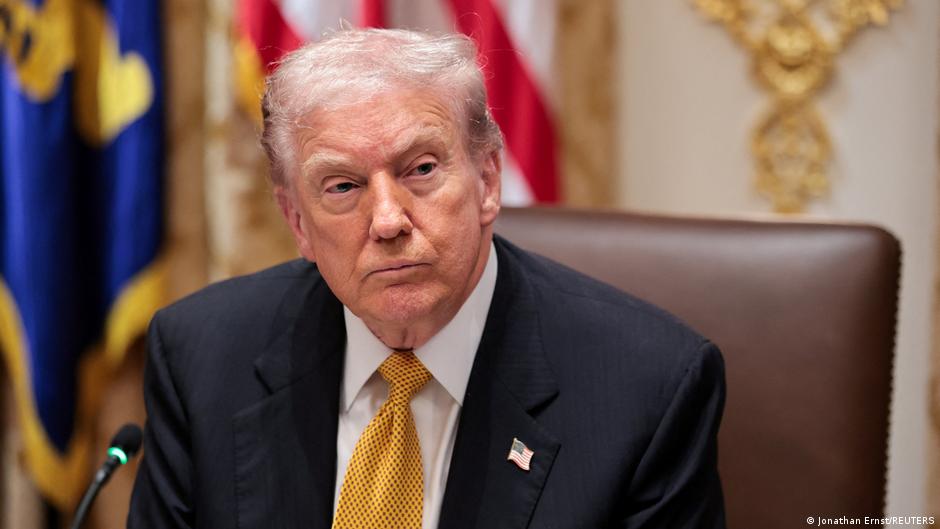
The British Broadcasting Corporation (BBC) has faced a significant upheaval following the resignation of its top two executives, Director General Tim Davie and Chief Executive of News Deborah Turness. This development came after a controversial documentary aired by the BBC’s flagship program, Panorama, was accused of misleading viewers by editing U.S. President Donald Trump’s speech from January 6, 2021.
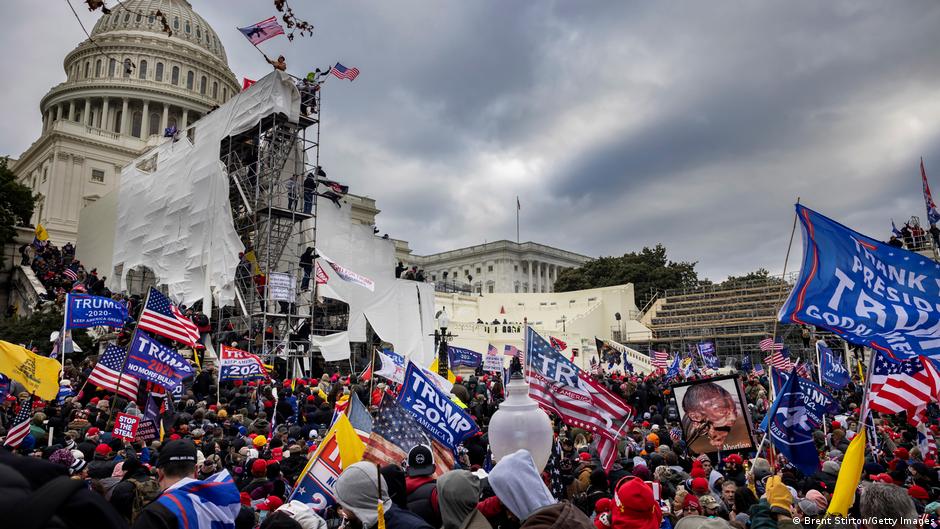
The documentary, titled “Trump: A Second Chance?”, sparked intense backlash when it was revealed that the program had spliced together two separate excerpts from one of Trump’s speeches. The edited version gave the impression that the former president was directly inciting the violent events at the U.S. Capitol on that day.
Legal Action from Trump’s Team
In response to the controversy, Trump’s legal team sent a letter to the BBC threatening to sue the organization for $1 billion (€865 million). The letter demanded that the BBC issue a full and fair retraction of the documentary by November 14 or face legal consequences.
A representative for Trump’s legal team confirmed the letter’s contents, stating that the BBC had defamed the former president. They emphasized that Trump would continue to hold accountable those who spread what they described as lies, deception, and fake news.
BBC’s Response
The BBC responded to the letter by stating that it would review the document and provide a direct response in due course. Meanwhile, BBC Chairman Samir Shah issued an apology for the “error of judgment” in the broadcast. He acknowledged that the way the speech was edited may have given the impression of a direct call for violent action.
Despite the controversy, Shah rejected claims of systemic bias within the broadcaster’s news reporting. He emphasized that the publicly funded corporation accepts responsibility for the specific mistake but maintains that there is no institutional bias.
Details of the Documentary Controversy
The pressure on BBC executives escalated after theDaily Telegraphpublished excerpts from an internal dossier that criticized the editing of Trump’s January 6 speech. The speech was delivered before a crowd of supporters stormed the U.S. Capitol in Washington, D.C.
The Panorama program featured clips from Trump’s speech where he told supporters that “we’re going to walk down to the Capitol” and that they would “fight like hell.” However, these lines were taken from different parts of the speech, leading to accusations that the editing was misleading.
The leaked dossier described “serious and systemic problems” with the BBC’s impartiality, calling the Panorama edit “completely misleading.” Despite this, a spokesperson for Prime Minister Keir Starmer denied that the BBC is institutionally biased or corrupt. They stated that the government supports the corporation and acknowledged that mistakes were made in this case.
Broader Implications
This incident has reignited debates about media ethics and the responsibility of broadcasters to present accurate and unbiased content. It also highlights the challenges faced by journalists in balancing investigative reporting with the need to avoid misrepresentation.
Trump has a history of taking legal action against media outlets, including ABC, CBS, andThe New York Times. His recent actions against the BBC underscore his continued efforts to challenge what he perceives as unfair coverage.
As the situation unfolds, the BBC will likely face increased scrutiny over its editorial processes and commitment to journalistic integrity. The outcome of the legal dispute could have far-reaching implications for the network’s reputation and operations.