
A Historic Pardon and Its Implications
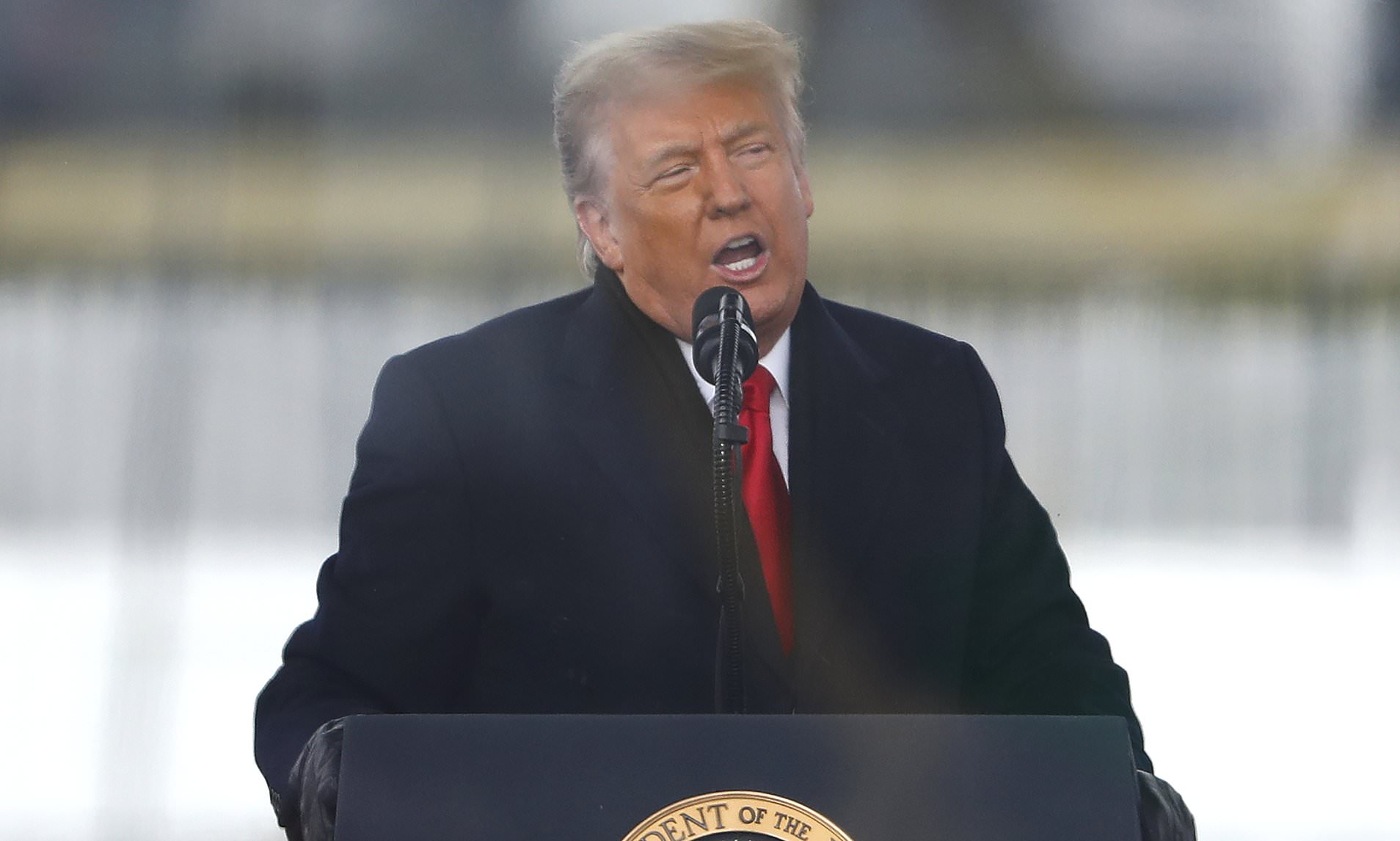
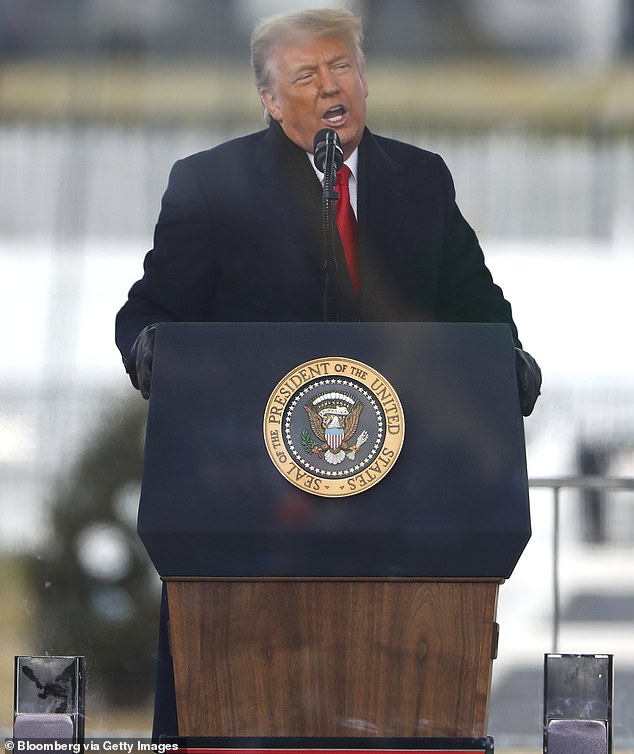
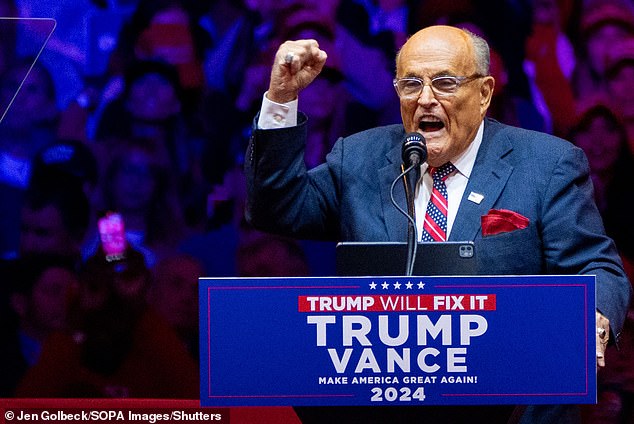
President Donald Trump has issued a significant pardon to Rudy Giuliani, a former ally, and several other Republicans involved in efforts to challenge the results of the 2020 presidential election. This move marks a pivotal moment in the ongoing legal and political aftermath of the election.
The pardon was signed on Friday, as revealed by Trump’s pardon attorney, Ed Martin, through a post on X on Sunday. The official statement accompanying the pardon emphasized that it aims to address what it describes as a “grave national injustice” that occurred following the 2020 Presidential Election. It also highlights the importance of national reconciliation.
However, it is important to note that the pardon does not extend to Trump himself, leaving his potential legal vulnerabilities intact. This distinction underscores the complex nature of the situation and the various legal challenges that remain unresolved.
Legal Challenges and Political Context
Democratic state attorneys general had previously filed charges against individuals they referred to as “fake electors.” These individuals were accused of signing documents that falsely claimed Trump won their respective states’ presidential races. The plan allegedly aimed to have then-Vice President Mike Pence certify Trump’s victory in those states rather than Joe Biden, who ultimately secured the Electoral Vote.
When Pence refused to comply with this request, a group of Trump supporters stormed the U.S. Capitol. This event marked a significant turning point in American political history and led to widespread condemnation and legal repercussions for those involved.
As the legal proceedings continue, attorneys general in Arizona, Georgia, Michigan, Nevada, and Wisconsin are facing deadlines in their cases. The timing of Trump’s pardon adds another layer of complexity to these ongoing legal battles.
Ongoing Legal and Political Debates
This breaking news story is still developing, and further updates are expected. The implications of Trump’s actions extend beyond the immediate legal context, raising questions about the broader impact on accountability and justice.
One of the central debates revolves around whether Trump truly pardoned the so-called “Trumps of the South” after their alleged struggle against persecution. This narrative has sparked considerable discussion among political analysts and the public.
Another critical issue is how Trump’s mass pardon affected efforts to hold January 6 rioters accountable. The pardons have been seen by some as a strategic move to shield individuals involved in the events of January 6 from legal consequences.
Additionally, there is curiosity about why Trump issued dramatic pardons for pro-life activists convicted under Biden’s administration. This decision has raised questions about the motivations behind such actions and their potential political ramifications.
The Impact of Executive Actions
Trump’s executive order has ignited intense reactions across the political spectrum. The extensive pardons related to the January 6 incident have created a firestorm of debate, with many questioning the legitimacy and fairness of such actions.
As the political landscape continues to evolve, the anticipation surrounding potential pardons for convicted Capitol rioters remains high. Many are waiting to see if the hopes of these individuals will be fulfilled or if they will face the full weight of the law.
The ongoing developments highlight the intricate relationship between executive power, legal accountability, and political influence in the United States. As the story unfolds, it will be crucial to monitor how these actions shape the future of American democracy.