
Concerns Over Violence Against Christians in Nigeria
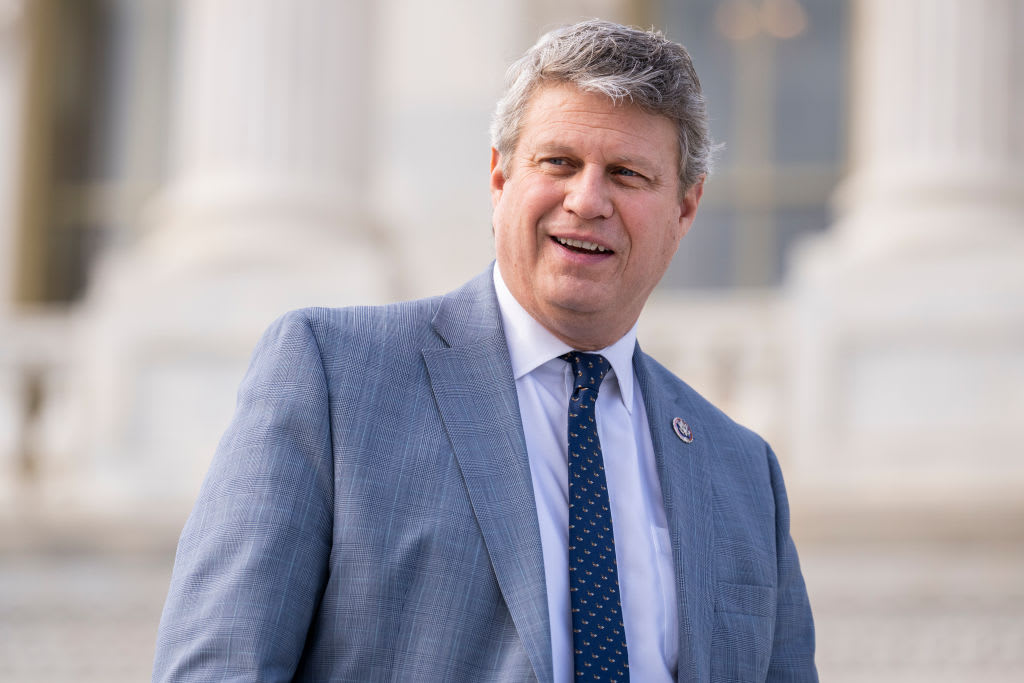
United States Congressman Bill Huizinga has raised significant concerns about the Nigerian government’s handling of attacks on Christian communities within the country. In a recent interview, he expressed frustration over what he described as a lack of seriousness from Abuja in addressing the ongoing violence.
Huizinga criticized the official response to the crisis, calling it dismissive. He emphasized that the pattern of violence against Christians in Nigeria suggests coordinated and targeted assaults. The Congressman highlighted the need for swift action from the United States to prevent another large-scale atrocity in Africa, drawing parallels to past failures in Rwanda and South Sudan.
Personal Accounts of Survivors
During his interview, Huizinga shared insights from personal conversations with survivors and religious leaders who have experienced repeated attacks on their homes and communities. These individuals feel targeted, indicating that the violence is not random but rather part of a deliberate strategy. He noted that the attacks often occur in the middle of the night, reinforcing the sense of being specifically targeted.
The Congressman urged the Nigerian government to take stronger measures to protect its citizens and to outline concrete steps to reduce the growing wave of violence. He stressed the strategic importance of Nigeria to the stability and economic future of West Africa, emphasizing the need for decisive action to prevent further bloodshed.
Lessons from Past Failures
Huizinga reflected on past global failures, such as in Rwanda and South Sudan, where timely intervention was lacking. He warned against repeating these mistakes, stating, “I’m glad that we’re able to do this. This is something that’s been very, very important, and as I’ve been saying to some of my colleagues, we were too late on Rwanda. We were too late on South Sudan and a number of other atrocities that have happened in Africa and other places around the world. So let’s not be too late again on this one.”
He pointed out the specific threat posed by the Fulani and radicalized Islamists, who are attacking both moderate Muslims and Christians. Huizinga referenced the tragic incident where 200 Christians were slaughtered on Christmas Eve a few years ago, which he described as a coordinated attack. He emphasized that those affected know they are being targeted, and this awareness has led to a swift U.S. response.
Calls for Accountability
Despite the U.S. response, Huizinga remains unconvinced that the Nigerian government is taking the situation seriously. He called for the government to demonstrate what it is doing to protect not just Christians but all citizens. He questioned the adequacy of the response from the Nigerian Foreign Minister, stating that the issue was not adequately addressed.
Huizinga also highlighted the broader implications of the violence in Nigeria, noting its significance to the entire African continent. He emphasized the economic potential and the importance of stability in the region. His message was clear: the Nigerian government must act decisively to address the violence and ensure the safety of all its citizens.
Conclusion
The concerns raised by Congressman Huizinga underscore the urgency of the situation in Nigeria. With the potential for further violence and the need for international support, it is crucial for the Nigerian government to take the issue seriously and implement effective measures to protect its citizens. The lessons from past failures must serve as a reminder that timely and decisive action is essential to prevent further tragedies.