
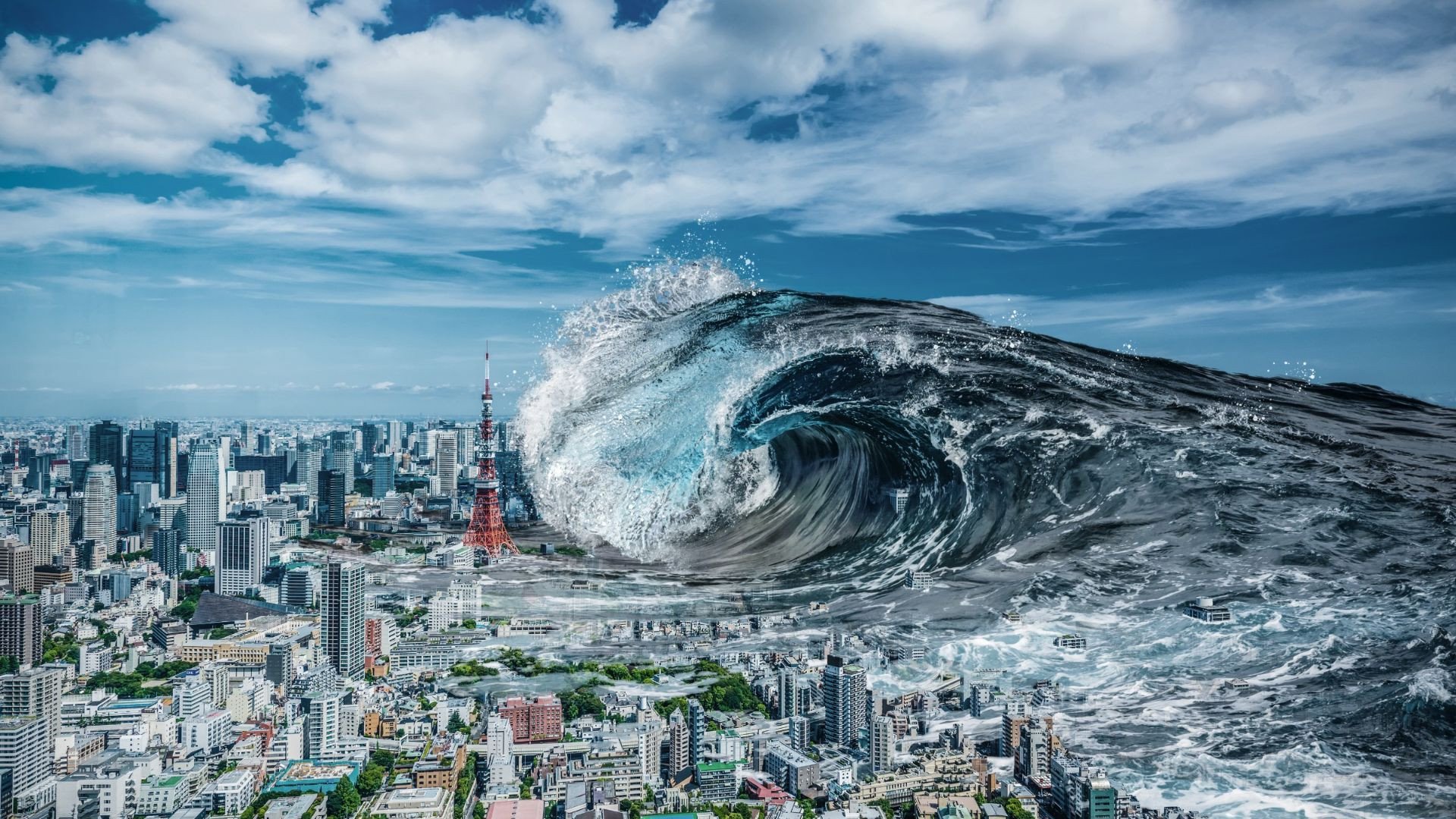
Earthquake Triggers Tsunami Advisory in Northeastern Japan
A powerful earthquake struck off the Pacific coast of northeastern Japan, prompting the Japanese weather agency to issue a tsunami advisory for the region. The incident occurred on Sunday, with the Japan Meteorological Agency (JMA) reporting that the quake hit near the prefecture of Iwate. The tremor was recorded at a depth of approximately 10 kilometers and had a magnitude of 6.7. However, the US Geological Survey measured it slightly higher at 6.8.
Following the initial quake, seismologists detected additional tremors, including one with a magnitude of 6.4. These subsequent shocks raised concerns about potential aftershocks and increased the need for vigilance among local residents.
The JMA issued a tsunami advisory for Iwate, which is one level below a full tsunami warning in Japan’s alert system. This means that while the situation is serious, it does not yet warrant immediate evacuation. Nonetheless, the agency urged people to avoid coastal areas and river mouths, as waves could reach heights of up to 1 meter.
Japan is located in one of the most seismically active regions in the world, where earthquakes are a frequent occurrence. The country has a long history of seismic activity, with many of its major quakes occurring along the Pacific Ring of Fire. This tectonic zone is known for its high frequency of earthquakes and volcanic eruptions, making Japan particularly vulnerable to such natural disasters.
In July of this year, a powerful earthquake off the coast of Russia’s Kamchatka Peninsula triggered small tsunami waves that reached Japan’s Pacific coast. This event highlighted the interconnected nature of seismic activity in the region and the importance of early warning systems.
Seismic Activity and Preparedness
Japan has developed advanced early warning systems to detect and respond to earthquakes and tsunisms. These systems are designed to provide critical information to the public, allowing them to take necessary precautions. The JMA plays a central role in monitoring seismic activity and issuing alerts when needed.
The recent earthquake serves as a reminder of the importance of preparedness in a country prone to natural disasters. Local authorities often conduct regular drills and maintain emergency supplies to ensure that communities are ready to respond to any potential threats.
Impact on Daily Life
While the current tsunami advisory is not expected to cause widespread damage, it has still prompted heightened awareness among residents in the affected areas. Many have taken steps to secure their homes and stay informed about the latest updates from the JMA.
Local businesses and schools have also been advised to remain cautious and follow guidelines provided by the authorities. In some cases, coastal activities have been temporarily suspended to minimize risks.
Lessons from Past Disasters
Japan’s experience with past earthquakes, such as the devastating 2011 Tohoku earthquake and tsunami, has led to significant improvements in disaster response and infrastructure. The lessons learned from that tragedy have influenced the development of more resilient buildings, better emergency communication systems, and enhanced community preparedness programs.
These efforts have helped reduce the impact of subsequent natural disasters, even though the threat of earthquakes and tsunamis remains a constant concern for the region.
Ongoing Monitoring and Response
As the situation continues to unfold, the JMA and other relevant agencies will closely monitor the area for any further seismic activity. Updates will be provided to the public through various channels, including television, radio, and online platforms.
Residents are encouraged to stay informed and follow the instructions of local authorities. In times of uncertainty, it is crucial to rely on accurate and timely information to make informed decisions.