
Rising Concerns Over Unresolved Bombing Cases in Zimbabwe
A Zanu PF activist, who once challenged President Emmerson Mnangagwa’s leadership within the ruling party, has expressed frustration over the lack of progress in identifying those responsible for petrol-bombing his home in Harare in October 2022. The attack caused significant damage to his property, which was valued at several thousands of dollars. At the time, he had also filed a High Court application seeking to block Zanu PF from holding its congress.
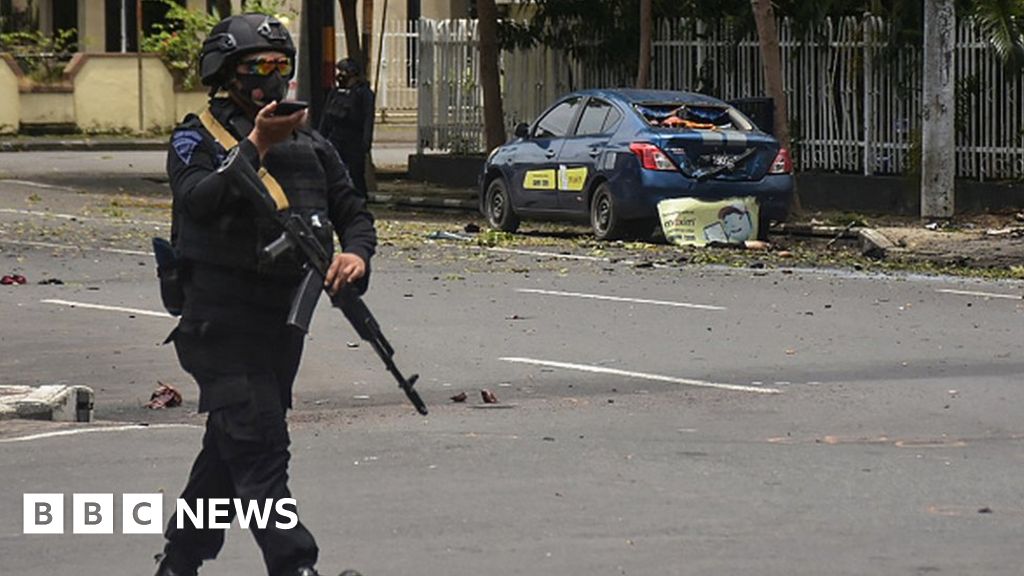
This incident is part of a broader pattern where government critics have faced similar attacks. In recent months, another notable event occurred when the Sapes Trust conference room was bombed just hours before opposition politicians were set to hold a press briefing there. The intended press conference aimed to address Zanu PF’s alleged efforts to extend Mnangagwa’s term from 2029 to 2030. On the same night, the house of another activist, Gilbert Mbwende, was also bombed.
Sapes Trust director Ibbo Mandaza recently stated that there has been no update from the police regarding the investigation into the bombing of his office. Similarly, Sybeth Musengezi, the activist whose home was targeted, revealed that he has not received any meaningful response from the police since 2022.
“I didn’t get any help or justice from the police,” Musengezi said. “They refused to investigate the list of suspects that I gave them after receiving information from reliable sources that the suspects are the ones involved in the bombing.”
According to Musengezi, the police required clearance from Zanu PF headquarters before they could proceed with the investigation. He explained that the suspects held prominent positions within the party and government, leading to a bureaucratic delay in the process. “However, the investigation officers said that they needed clearance first from Zanu PF HQ to enable them to investigate the suspects since the suspects hold respectable offices in the party and government,” he added.
Musengezi described the experience as frustrating, as he was passed from one office to another until he eventually gave up on following up. “I tried to follow up for almost a year with the anti-terrorism unit stationed at Harare Central Police Station, who were handling the case,” he said. “I was always referred to different police officers until I got tired and just left it hanging.”
Calls for Transparency and Accountability
Activist Obert Masaraure highlighted the growing concern among citizens regarding the lack of transparency and accountability from the police in these cases. “It is widely known that a basic forensic expert could quickly decipher the identity, year, and place of manufacture of the explosive device,” he said.
“Armed with this information, the state could easily identify the official organizations or departments authorised to import such devices. The silence from the state on this matter completely erodes public confidence in its constitutional role as the ultimate protector of its citizens.”
Masaraure emphasized that unarmed, tax-paying citizens who fund the state for security find themselves exposed and vulnerable when the state deliberately fails to act. “Unarmed, tax-paying citizens who fund the state for security find themselves exposed and vulnerable when the state deliberately fails to act.”
No comment could be obtained from the police regarding these allegations.