
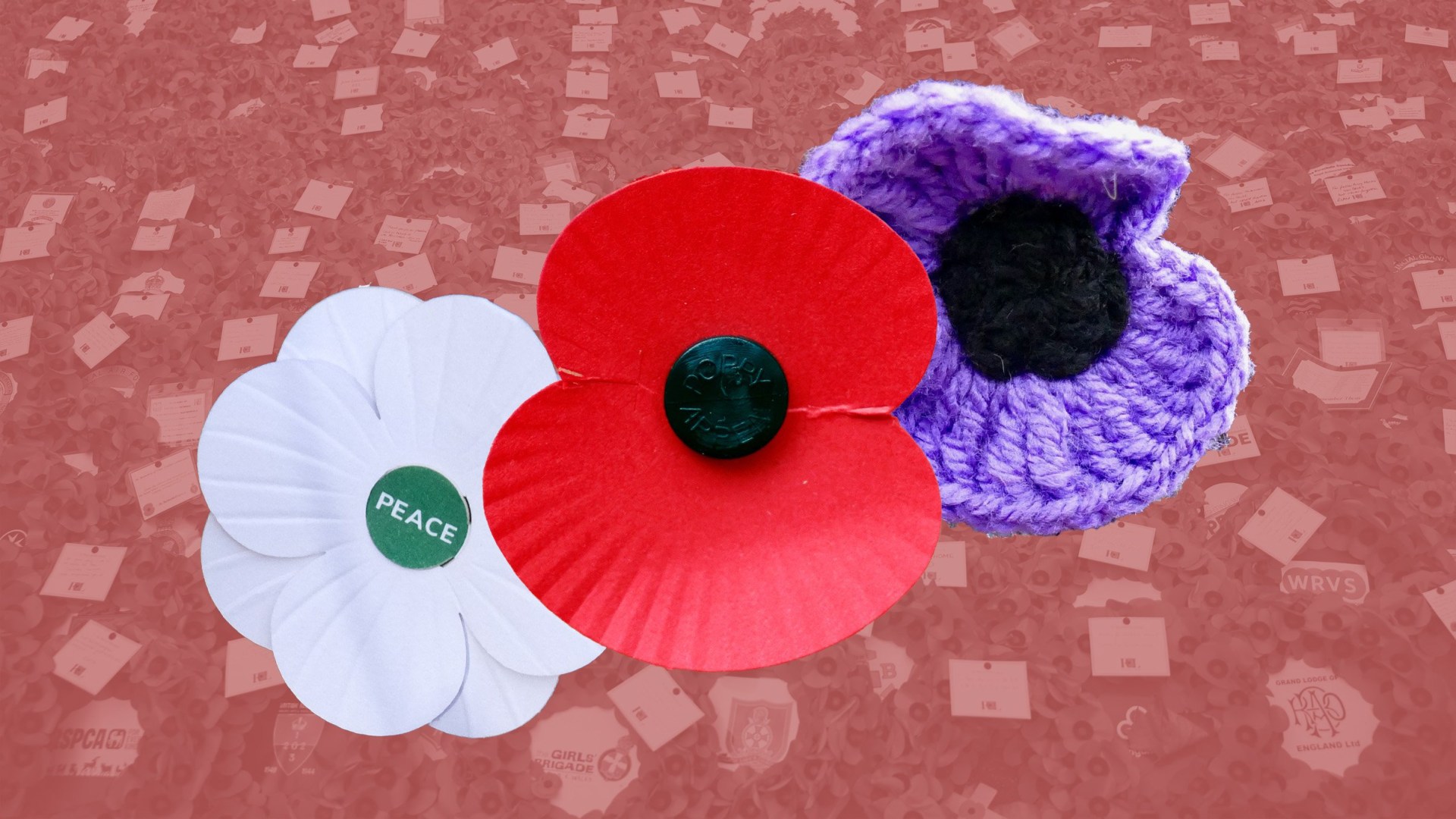
Remembrance Day, also known as Armistice Day, is observed annually on November 11. This date marks the end of the First World War, specifically at the ’11th hour of the 11th day of the 11th month.’ The day is a time for reflection and remembrance, with various traditions that have become deeply embedded in the culture of many countries.
One of the most recognized customs is the two-minute silence held at 11am. This moment of quiet is a solemn reminder of the sacrifices made by those who served in the war. In addition to the silence, people often wear poppy pins and badges as a symbol of respect for the armed forces and those who lost their lives during the conflict.
In the UK, red poppies are the most common symbol associated with Remembrance Day and Remembrance Sunday. However, there are other colors of poppies that carry different meanings. Here’s an overview of the various types:
The Red Poppy
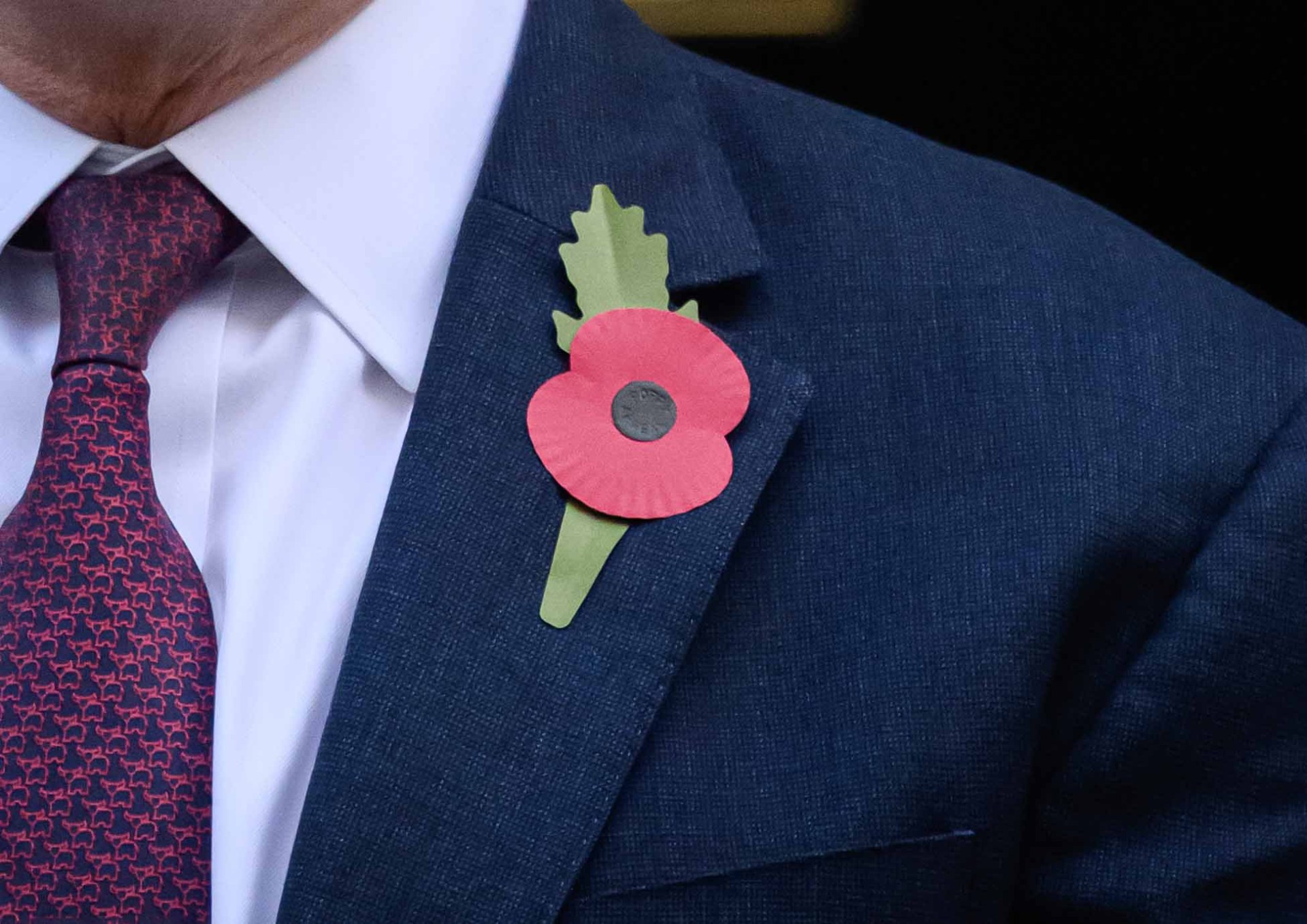
The red poppy has been a powerful symbol of remembrance for over a century. A charity called The Royal British Legion has been selling red poppies since the early 20th century. According to their website, the red poppy represents “a symbol of Remembrance and hope for a peaceful future.” Wearing a red poppy is a way to show support for the service and sacrifice of the Armed Forces, veterans, and their families.
It honors all those who lost their lives in active service during conflicts, from the beginning of the First World War up to the present day. Additionally, it acknowledges the contributions of civilian services and the uniformed services that help maintain national peace and security. It also recognizes innocent civilians who have died in conflicts and acts of terrorism.
The proceeds from the sale of red poppies go directly toward supporting the Armed Forces community. The Royal British Legion also offers plastic-free poppies, pins, and car poppies for those who want to participate in the tradition in an eco-friendly way.
The White/Silver Poppy
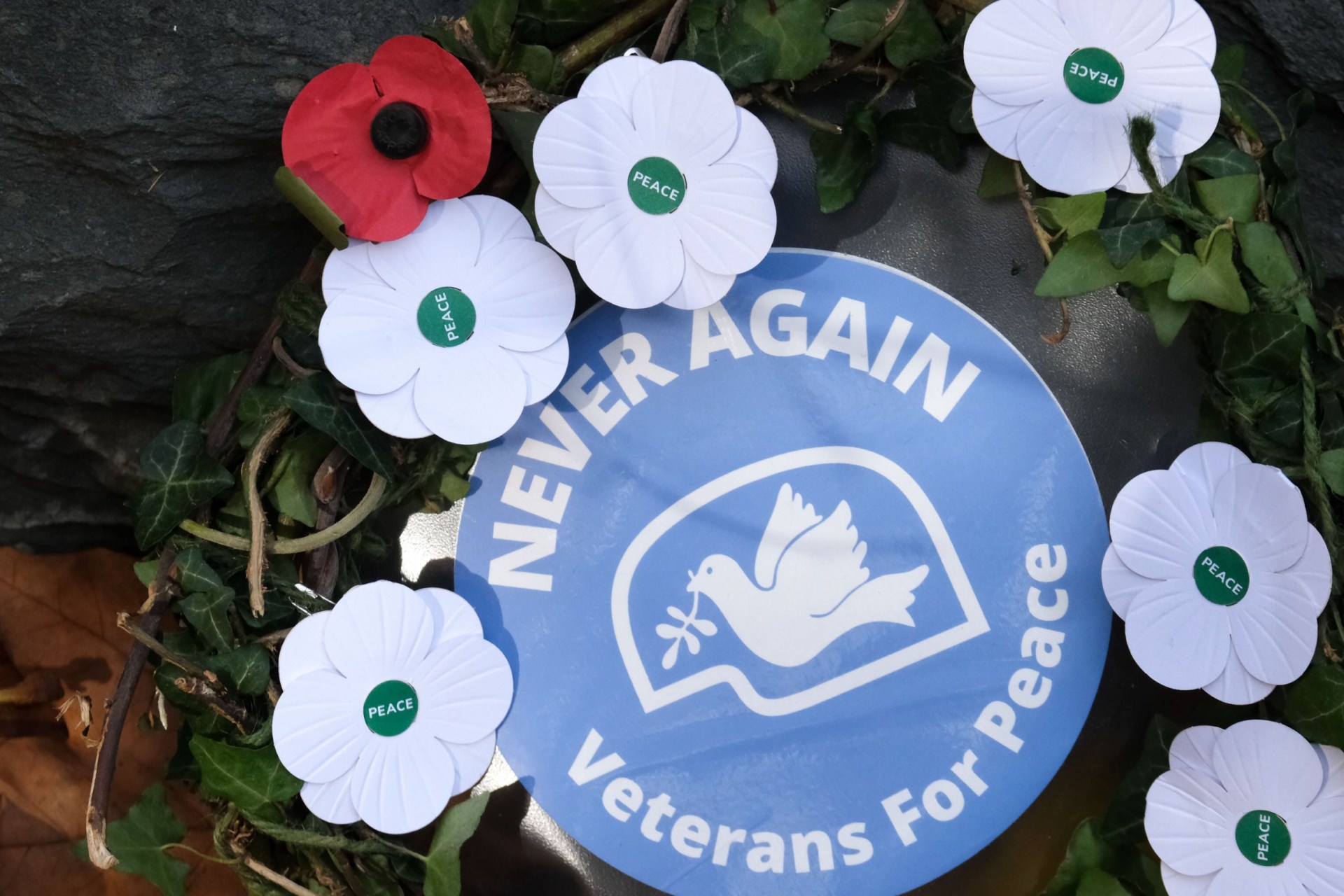
White poppies, sometimes referred to as silver poppies, were first introduced in 1933 by members of the Women’s Co-operative Guild. These individuals had lost loved ones in the First World War and wanted to create a symbol that represented their opposition to war and violence.
The white poppy was later adopted by the Peace Pledge Union as their symbol of peace in the 1930s. It serves as a reminder of all victims of war from around the world and challenges militarism. Unlike the red poppy, which focuses on remembrance of military service, the white poppy emphasizes peace and the desire for a world free from conflict.
The Blue ‘Poppy’ – Bleuet de France
While the red poppy is widely recognized in the UK, in France, a different symbol is used to commemorate Remembrance Day. The blue flower known as the Bleuet de France has gained international attention, particularly when then-US Vice President Kamala Harris wore one during a commemoration at the Arc de Triomphe in Paris in 2021.
However, the blue flower is not actually a poppy but a cornflower. In France, the Bleuet de France is worn instead of the red poppy. This tradition dates back to 1916, when army nurses Suzanne Lenhardt and Charlotte Malleterre created the badges as a way to give injured soldiers an activity to distract them from their pain. The soldiers would make these flowers, which they could then sell to the public for a small income.
Over time, the badges became a symbol of the rehabilitation of soldiers and represent all those who have died for France. The cornflowers grew in the areas devastated by the First World War, making them a poignant symbol of resilience and memory.