

New Measures to Address Asylum Seeker Accommodation Costs
Asylum seekers in the UK could soon receive a weekly payment of £100 to encourage them to leave taxpayer-funded hotels and instead live with family or friends. This initiative is part of broader efforts by the government to reduce the financial burden of housing migrants, which currently costs an average of £145 per person per night.
Ministers are under pressure to find alternative solutions as the cost of hotel stays continues to rise. With Sir Keir Starmer pledging to end the use of hotels by the end of this Parliament in 2029, Home Office officials have reportedly proposed offering asylum seekers additional financial incentives to move out of hotels.
The £100 per week payment would be in addition to the £49.18 weekly allowance that asylum seekers typically receive for expenses such as food, clothing, and toiletries. This new approach aims to provide a more sustainable and cost-effective way to manage migrant accommodation.
Rising Costs and Government Response
Recent data from June 2025 revealed that 32,000 migrants were living in hotels at a cost of £5.5 million per day, or £2.1 billion annually. The government is looking for ways to cut these costs and has explored several options, including using military bases as temporary accommodations.
Six military sites across the country are currently being considered for use as asylum seeker housing. These include locations from Surrey to Cumbria, all of which could be operational within weeks. The Ministry of Defence has compiled a list of potential sites, including West Tofts and Wretham in Norfolk, Knook Camp in Wiltshire, Brunswick Camp in Surrey, Warcop in Cumbria, and Castlemartin in Pembrokeshire.

All of these sites have been upgraded since 2020 and are ready to accommodate migrants immediately, according to defense sources. This move is expected to significantly reduce the cost of migrant housing, making it a more viable option than the current hotel system.
Financial Incentives and Compliance
The proposed £100-a-week payment to asylum seekers could be trialled in 2026. Migrants would need to provide proof of appropriate accommodation and report regularly to the Home Office. A source told the Telegraph: “It’s important that officials provide advice to ministers that sets out a range of options but it doesn’t mean ministers will pursue every option. Nothing is off the table.”
In addition to the new payment, the Home Office already offers a £3,000 payment to asylum seekers or anyone in the UK illegally who agrees to return to their home country. A Home Office spokesman stated: “The Government is furious about the number of illegal migrants in this country and in hotels. That is why we will close every single asylum hotel.”
Cost Efficiency and Criticism
Migrant accommodation on ex-military bases has proven to be cheaper than traditional hotels, vindicating the previous government’s decision to set up such facilities. The cost of running existing large-scale centers, such as Wethersfield and Napier Barracks in Kent, has fallen below the £145 per person per night faced by taxpayers for hotels.
Napier Barracks now costs £108.58 per person per night, while Wethersfield costs £132, according to new data from the Home Office. However, a damning report by MPs last month criticized the Home Office for squandering billions of pounds on asylum hotels, calling the system “failed, chaotic, and expensive.” The report also highlighted excessive profits made by private accommodation providers during the Channel crisis.
Increasing Migrant Crossings and Policy Challenges
Hundreds of migrants crossed the English Channel on Saturday, bringing the total number over the past three days to 1,772. This year’s total stands at 38,726, compared to 32,119 by the same date last year and 26,699 in 2023.
Sir Keir Starmer scrapped the Tories’ Rwanda scheme, which aimed to deter small boat crossings and save lives, as one of his first acts in office. Labour signed a ‘one in, one out’ deal with France in July to address the rising number of Channel crossings. Under this agreement, the Home Office can send migrants who arrive by small boat back to France in exchange for an equal number of migrants applying to come to the UK.
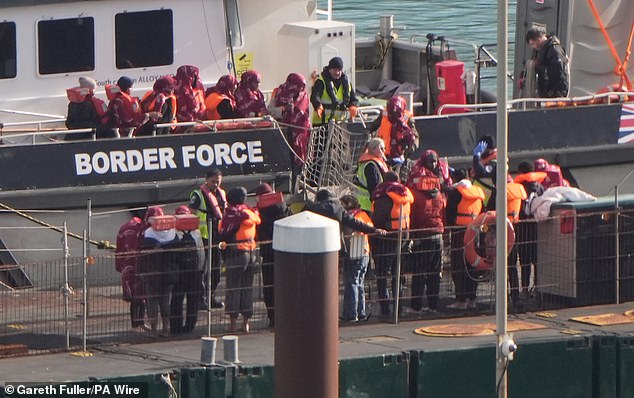
So far, 94 migrants have been removed from the UK under the deal, and 57 have been brought in under reciprocal terms. These migrants receive three-month visas and an opportunity to regularize their stay, usually by making asylum applications.
However, the scheme faced setbacks when a migrant deported under the treaty returned to the UK by small boat. This incident left the government’s flagship program in disarray, raising concerns about its effectiveness in tackling the Channel crisis.
Ongoing Challenges and Future Plans
With the cost of asylum hotels continuing to rise, the government is under increasing pressure to find more economical solutions. The proposed measures, including financial incentives for asylum seekers and the use of military bases, aim to reduce the financial burden on taxpayers while ensuring proper accommodation for migrants.
As the situation evolves, the government must balance the need for effective policy with the challenges of managing a growing migrant population. The coming months will be critical in determining whether these new initiatives can successfully address the issues at hand.