
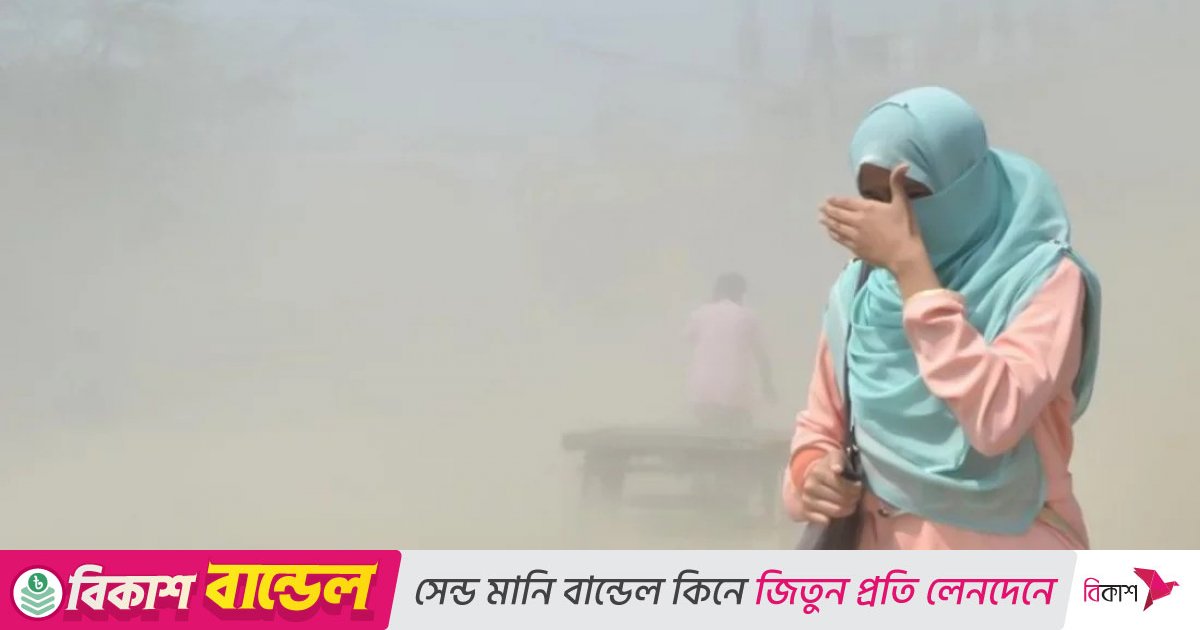
Dhaka Faces Severe Air Quality Crisis
Dhaka, the densely populated capital of Bangladesh, has found itself in the third position on the list of cities with the most polluted air. On November 10, 2025, at 9:30 am, the city recorded an Air Quality Index (AQI) score of 262, marking it as one of the most hazardous places to breathe.
The current air quality in Dhaka has been classified as ‘very unhealthy,’ signaling a significant threat to public health. This is the second consecutive day that the city has experienced such conditions, raising concerns among residents and health professionals alike. While the capital had previously faced ‘unhealthy for sensitive groups’ or ‘unhealthy’ air quality for several days, the recent shift to ‘very unhealthy’ highlights a growing crisis.
The AQI scale provides a clear framework for understanding air quality levels. When the index falls between 50 and 100, the air is considered ‘moderate,’ and sensitive individuals may need to limit prolonged outdoor activity. Between 101 and 150, the air is categorized as ‘unhealthy for sensitive groups.’ The range from 150 to 200 is labeled ‘unhealthy,’ while values between 201 and 300 are described as ‘very unhealthy.’ An AQI of 301 or higher is considered ‘hazardous,’ posing serious risks to all residents.
Global Context of Air Pollution
In the global ranking of cities with the worst air quality, Dhaka shares the spotlight with other major urban centers. India’s Delhi tops the list with an AQI of 490, followed by Pakistan’s Lahore with a score of 394. Kolkata, another Indian city, ranks fourth with an AQI of 262, matching Dhaka’s level.
The AQI serves as a critical tool for informing the public about air quality and its potential health impacts. It measures the concentration of pollutants in the air and provides guidance on how to protect oneself. In Bangladesh, the AQI is calculated based on five key pollutants: particulate matter (PM10 and PM2.5), nitrogen dioxide (NO2), carbon monoxide (CO), sulfur dioxide (SO2), and ozone.
Long-Term Challenges of Air Pollution
Dhaka has long struggled with air pollution, particularly during the winter months when the city’s air quality deteriorates significantly. However, the situation often improves during the monsoon season due to increased rainfall and reduced emissions. Despite these seasonal variations, the persistent problem of air pollution remains a pressing issue for the city’s population.
According to the World Health Organization (WHO), air pollution is responsible for approximately seven million deaths worldwide each year. These fatalities are primarily linked to conditions such as stroke, heart disease, chronic obstructive pulmonary disease, lung cancer, and acute respiratory infections.
Protective Measures Against Poor Air Quality
Given the severity of the situation, it is essential for residents to take proactive steps to protect themselves from the harmful effects of poor air quality. Here are five effective strategies:
- Limit outdoor activities: Especially during peak pollution hours, reduce time spent outside to minimize exposure to harmful particles.
- Use air purifiers: Indoor air quality can be improved by using high-quality air purifiers equipped with HEPA filters.
- Wear masks: N95 or P2 masks can help filter out fine particulate matter and provide some protection when venturing outdoors.
- Stay informed: Regularly check local air quality reports and follow health advisories issued by authorities.
- Support policy changes: Advocate for stricter environmental regulations and sustainable urban planning to address the root causes of pollution.
As Dhaka continues to grapple with its air quality challenges, the need for immediate action becomes increasingly urgent. The health and well-being of millions of residents depend on the effectiveness of both individual and collective efforts to combat this growing environmental crisis.