
Rise of Independent Candidates in Namibia’s Regional Elections
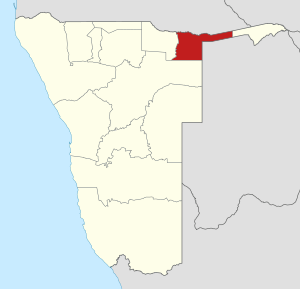
The Kavango East region has emerged as a hotspot for independent candidates in the upcoming regional council elections. This surge reflects growing discontent among citizens who feel marginalized by traditional political parties.
According to data from the Electoral Commission of Namibia (ECN), there are 68 independent candidates contesting in this year’s regional elections. Among them, 10 are running in Kavango East, followed by eight in Otjozondjupa, and seven each in Omaheke and Zambezi.
Partrick Kashare, the acting chairperson of Rundu and a member of the All People’s Party, highlights that many of these independent candidates come from Swapo, the ruling party. He attributes this trend to limited development opportunities within the party.
“Individuals, especially from Swapo, have realized that for the region to thrive, they need someone who will genuinely represent the people,” Kashare explains. “They feel that the party is not delivering on its promises, so they opt for an independent path.”
Kashare also points out that some individuals are disillusioned with the internal dynamics of political parties, where positions are often bought rather than earned. This has led to a shift in strategy, with more candidates choosing to run independently.
Political Discontent and Internal Struggles
The Popular Democratic Movement recently expelled senior members who decided to run as independent candidates. Kashare notes that this lack of accountability is a significant concern, as independent candidates may prioritize their own interests over those of the community.
He warns that this could lead to uneven development, with resources and attention concentrated in areas that support these candidates. “Independent candidates risk looking out for themselves and their supporters, which can create disparities in development across regions.”
Despite this, the number of independent candidates has decreased compared to the 2020 regional elections, when 87 such candidates were registered. This reduction suggests a possible shift in public sentiment or a response to recent political changes.
Personal Stories of Disillusionment
Harald Kambrude, a candidate from Rehoboth Urban West and former member of the Landless People’s Movement, shares his experience of being expelled from the party for planning to run as an independent. He claims he was left without support and faced internal sabotage.
“I never received any real backing from the party, and I believe there were plots against me,” Kambrude says. “I made it clear to the leadership in 2022 that I would run independently if I left the party. The tension began when I refused to participate in campaigns.”
Kambrude emphasizes that many parties create a false sense of support, leaving candidates to face the public alone. “You’re left to dry out without support and face the people demanding the promises the party had made,” he adds.
Alysia Eirises, an independent candidate from Katututra Central, chose this path to inspire young people who are hesitant to advocate for change. She believes that independence allows her to focus on the needs of the community without political constraints.
Ciske Smith-Howard, a former councillor from the Independent Patriots for Change, now part of the Swakopmund Residents Association, explains that she felt restricted by the party’s influence. “As a party member, I couldn’t fully express my views or implement my plans without approval,” she says. “I wanted to work with people who truly understand the electorate’s struggles.”
The Role of Independence in Governance
Smith-Howard argues that independent candidates or associations offer a more direct way to address community issues. “You report only to the people, not to a party where everyone is pushing their own agenda,” she explains.
The rise of independent candidates in Namibia’s regional elections signals a broader shift in political dynamics. While challenges remain, these candidates are reshaping the landscape of governance, offering alternative voices to the traditional party system.