
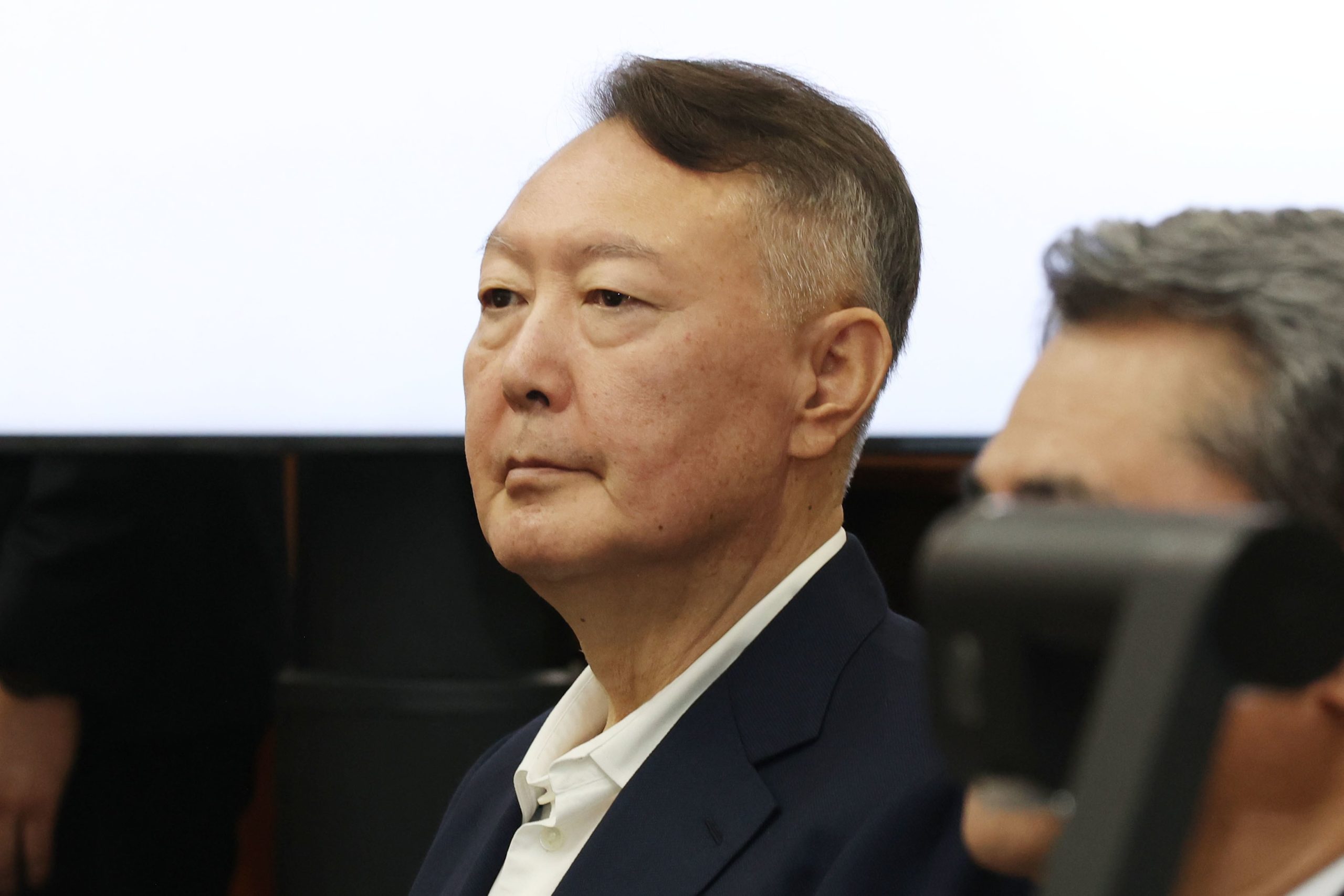
Court Announces Timeline for Yoon Suk-yeol Trial
The Seoul Central District Court Criminal Division 25, presided over by Judge Jee Kui-youn, has announced its plan to conclude the trial of former President Yoon Suk-yeol on charges including leading an insurrection. During a trial session on the 10th, the court stated that it aims to finalize the proceedings by early January next year. Initially targeting an end-of-December conclusion, the court now plans to deliver a verdict by early January at the latest. Additional hearings are scheduled for early January.
Merging Cases for Trial
The court also revealed that Yoon’s case will be merged with those of Cho Ji-ho, former Commissioner of the Korean National Police Agency, and Kim Yong-hyun, former Minister of National Defense. The merging of the three cases is expected to occur around December 29–30. This decision highlights the interconnected nature of the legal issues surrounding the events of December 3, when martial law was declared.
Conducting Trials During Judicial Recess
Due to extended witness examinations, the court has decided to proceed with trials even during the judicial recess period, which typically occurs during extreme weather conditions when only urgent cases are heard. This move underscores the significance of the ongoing proceedings and the need to address the complex legal matters involved.
Testimonies and Legal Debates
During the trial, officials from the Defense Counterintelligence Command testified as witnesses regarding orders to dispatch personnel to the National Election Commission (NEC) during martial law. Yu Jae-won, the Command’s Cybersecurity Director, faced questioning from Yoon about the legality of these orders. Yoon asked, “Martial law is similar to a ‘quasi-military administration,’ and once declared, the martial law authorities have the authority to direct and supervise the executive and judicial branches. Isn’t checking the NEC’s data and database status something martial law authorities can do?”
Yu responded, “Even such actions must follow proper procedures; simply ordering data to be seized would be problematic.” When Yoon clarified, “It wasn’t about seizing but inspecting,” Yu countered, “Even inspections require special investigator status, which we didn’t have.”
Internal Dissent and Legal Concerns
During subsequent questioning by the special counsel, Yu testified, “I found the dispatch order to the NEC unusual and requested a legal review.” When asked if the legality of the martial law itself was discussed, Yu said, “Jeong Seong-woo, former head of the Command’s 1st Bureau, declared from the start that the martial law was legal, so further discussion was impossible.” He then requested the court to “note that while the Defense Counterintelligence Command is seen as a main perpetrator of the December 3 martial law, there were internal dissenting voices.”
Other witnesses, including Lee Jong-hoon, head of the Command’s Military Security Office, and Yang Seung-cheol, head of its Security and Guard Unit, testified that they dispatched personnel to the NEC during martial law “because failing to carry out the mission could lead to punishment for disobedience.”
Upcoming Testimonies
The court will continue the trial on the 13th with testimony from Hong Jang-won, former First Deputy Director of the National Intelligence Service. This upcoming session is expected to provide further insights into the events and decisions made during the period of martial law.