
The Controversy Over High-Rise Construction Near Cultural Heritage Sites
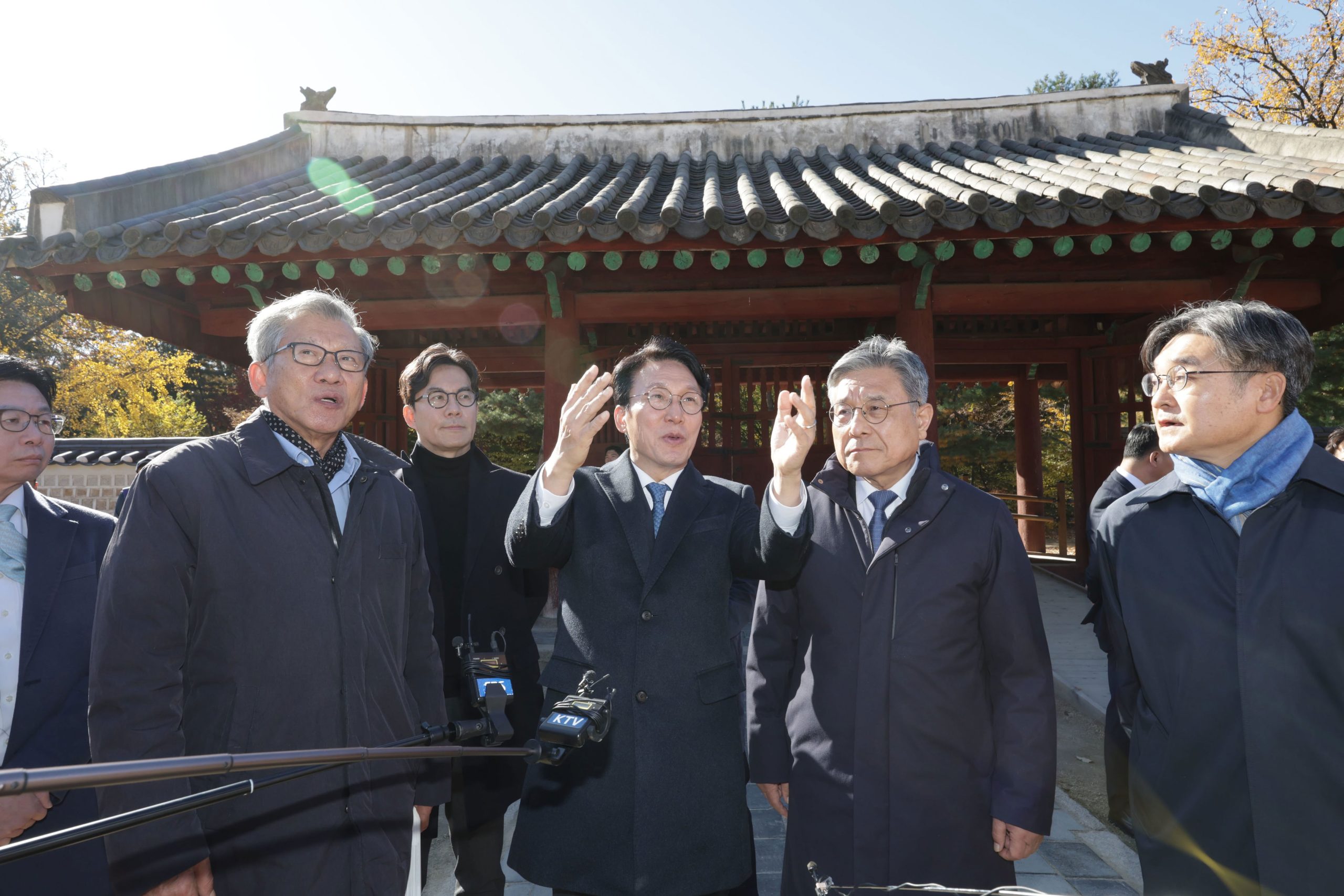
Prime Minister Kim Min-seok recently voiced strong opposition to the Seoul Metropolitan Government’s decision to permit the construction of a high-rise building in Sewoon District 4, which is located just 170 meters from Jongmyo, a historic site in Seoul. During a visit to the area on the 10th, the Prime Minister expressed concerns that such developments could make the surrounding area feel “suffocating.” He emphasized that the decision should not be made “recklessly” by the local government.
The Ministry of Culture, Sports and Tourism, along with the Korea Heritage Service, has also taken a firm stance, stating that they will use all available means to prevent the project from moving forward. This shows a growing tension between urban development and the preservation of cultural heritage.
Long-Standing Development Plans for Sewoon Plaza
The redevelopment of the Sewoon Plaza area has been a long-term goal of the Seoul Metropolitan Government, but progress has been hindered for over two decades due to concerns related to Jongmyo. As a result, the plaza, which is now 58 years old, has fallen into disrepair and has become an eyesore in the city.
In response, the government has proposed a new plan that involves demolishing Sewoon Plaza and constructing high-rise buildings up to 142 meters tall. The project also includes the creation of a green axis stretching from Jongmyo to Namsan, aiming to integrate the new developments with the surrounding environment.
Legal Challenges and Supreme Court Ruling
The issue has escalated to a legal battle, with the Supreme Court recently ruling that construction outside cultural heritage protection zones cannot be restricted. This decision has significant implications, as it not only affects the Sewoon Plaza redevelopment but also other urban projects near cultural heritage sites.
While the ministries responsible for cultural heritage protection have valid concerns, there are limits to how much preservation can take precedence over urban development. Conflicting values must be balanced, and currently, the focus seems to be overly tilted toward heritage protection, which may hinder the city’s growth and citizens’ property rights.
Political Motivations and Public Debate
What makes this situation particularly interesting is the sudden involvement of high-ranking ministers, who have reacted strongly and even mentioned unrelated issues, such as the ‘Kim Keon-hee’ case. It appears that their actions may be influenced by political considerations, especially with the upcoming Seoul mayoral election in mind.
Prime Minister Kim has called for a debate with Mayor Oh Se-hoon, who has argued that the redevelopment project would actually enhance the value of Jongmyo. If the government’s involvement is genuinely focused on cultural heritage preservation, there should be no reason to refuse such a discussion. Public hearings could also be organized to gather residents’ opinions.
However, if electoral politics continue to influence this issue, it may lead to unnecessary political conflicts rather than a rational resolution. The challenge lies in ensuring that decisions are made based on facts and public interest, rather than political agendas.