
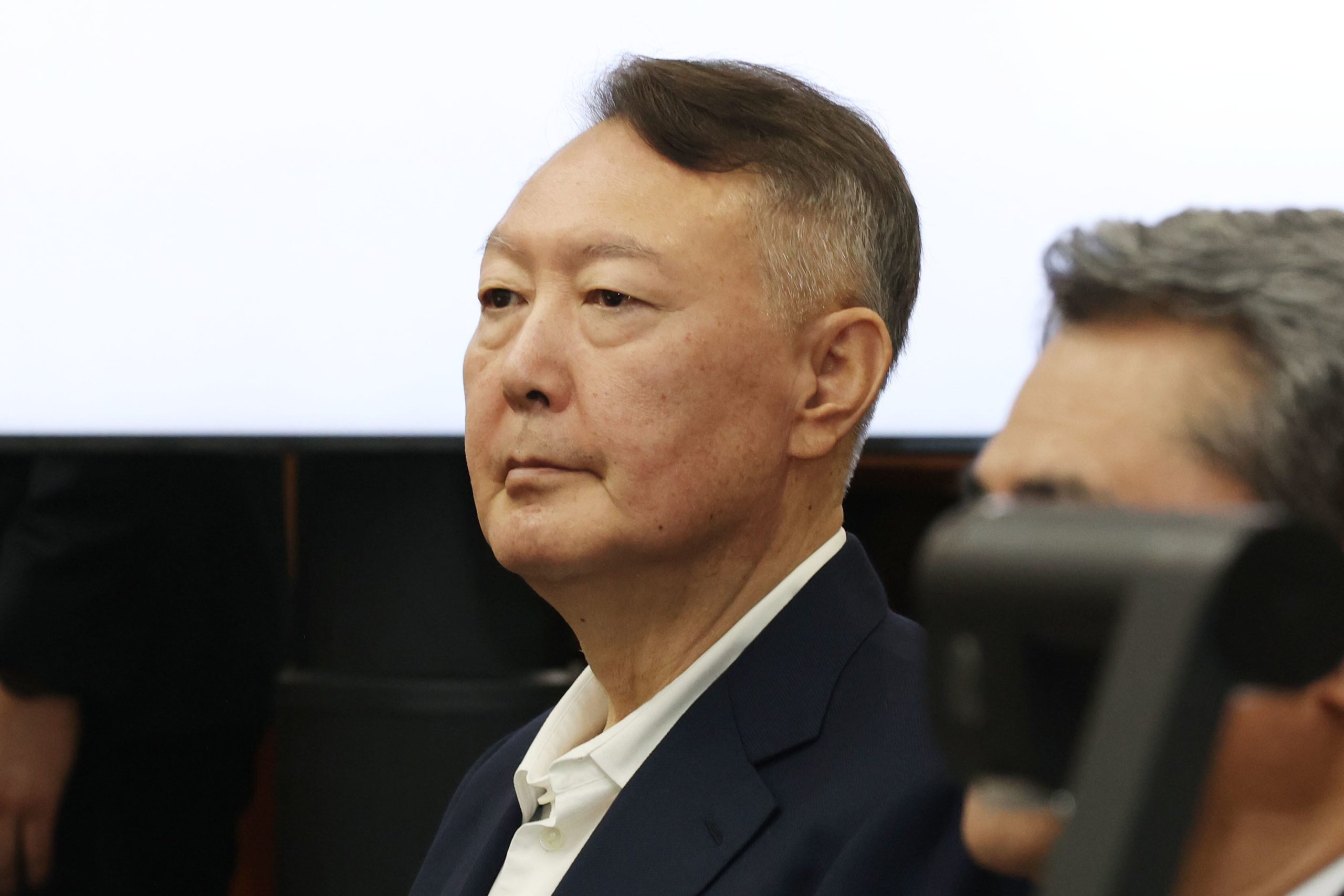
The High-Profile Case of Former President Yoon Suk-yeol
The case involving former South Korean President Yoon Suk-yeol has taken a significant turn as it was assigned to the 36th Criminal Division of the Seoul Central District Court. The presiding judge for this division is Judge Lee Jeong-yeop. Alongside Yoon, former Defense Minister Kim Yong-hyun and former Commander of the ROK Armed Forces Defense Counterintelligence Command Yeo In-hyeong are also facing trial. All three individuals were indicted by the special counsel team led by Cho Eun-seok.
The special counsel officially indicted Yoon, Kim, and Yeo on the 10th, accusing them of colluding to create conditions for declaring a December 3 emergency martial law. According to the charges, the trio allegedly escalated the risk of armed conflict between North and South Korea, thereby undermining the country’s military interests. The three remain in detention on various charges, including insurrection.
One of the key pieces of evidence presented by the special counsel includes a memo found on Yeo’s phone. The document, dated October of last year, contained notes such as “We must create or seize unstable situations” and “Can we militarily justify the enemy’s strategic show of force?” These statements are being used to support the claim that the accused were deeply involved in orchestrating the events leading up to the martial law declaration.
Understanding the Legal Implications
The legal framework surrounding the charges against Yoon and others is complex. Initially, there were discussions about applying treason charges, but the special counsel opted for general treason charges due to a lack of direct evidence proving collusion with North Korea. General treason charges apply when military interests are harmed or benefits are provided to an enemy nation, regardless of direct collusion.
Treason, which carries a penalty of death or life imprisonment, is a more severe charge compared to general treason. The latter prescribes life imprisonment or a minimum of three years in prison. This distinction is crucial in understanding the gravity of the current charges and the potential consequences for the accused.
Previous Cases Handled by the 36th Criminal Division
The 36th Criminal Division of the Seoul Central District Court has a history of handling high-profile cases. In August, the court sentenced Lee Cheol-gyu, the son of People Power Party Representative Lee Cheol-gyu, to 2 years and 6 months in prison for drug use. This case highlighted the court’s commitment to addressing drug-related offenses among public figures.
In September, the same division handed down a 25-year prison sentence to a former professor from Seoul National University. The professor was convicted of stabbing his spouse to death with a weapon after she complained about the challenges of caregiving. This case underscored the court’s approach to violent crimes, particularly those involving personal relationships.
Ongoing Developments
As the trial progresses, the legal proceedings will likely attract significant public attention. The involvement of high-ranking officials and the nature of the charges make this case a focal point for discussions on national security, judicial integrity, and political accountability. The outcome of this trial could have far-reaching implications for South Korea’s legal and political landscape.
The court’s decisions in previous cases suggest a strict application of the law, even in politically sensitive matters. This precedent may influence how the current case is handled, especially given the prominence of the individuals involved. As the trial unfolds, all eyes will be on the 36th Criminal Division to see how it navigates this complex and high-stakes legal challenge.