
A Statement of Denial and a Call for Truth
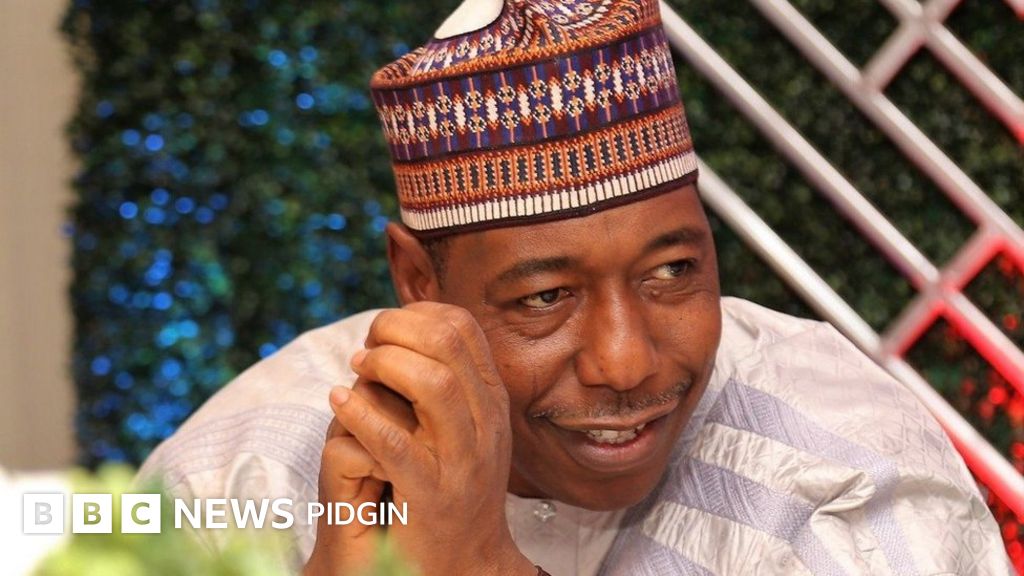
Former Borno Governor, Senator Ali-Modu Sheriff, has publicly denied allegations that he accused Vice-President Kashim Shettima of creating Boko Haram. The claim, which has gone viral on social media, was described by Sheriff as a politically motivated fabrication designed to incite division in the North-East.
Sheriff, who once led the region at the heart of the Boko Haram conflict, emphasized that the story is entirely false and should be disregarded. His denial came through a statement issued by his media office in Abuja, titled “A Lie Taken Too Far: Shettima, Ali Modu Sheriff Not On War Path.”
The statement highlighted the growing concern over misinformation during the insurgency years. It noted that the attention of Senator Sheriff, a respected elder statesman, has been drawn to a false and malicious publication circulating online under the headline “It’s Not Me, It’s Shettima Who Created Boko Haram – Sheriff Reveals.”
“This said story is a complete fabrication, devoid of truth, and a deliberate attempt to mislead the public, malign the person of Senator Sheriff, and sow discord within the nation’s political landscape,” the statement read. “Senator Sheriff categorically denies ever making such a statement, and wishes to state unequivocally that at no time did he grant any interview or engage with any journalist on the said date or on any matter remotely related to the spurious claims contained in the publication.”
Sheriff described the report as a dangerous piece of fake news aimed at undermining his contributions to peace and development in Borno. He urged the public and the media to disregard the concocted story and avoid sharing it further. His legal team has been instructed to take immediate steps to identify those responsible for spreading the defamatory material.
“If the false publication is not retracted and taken down forthwith, the Senator will not hesitate to seek full legal redress under the law,” the statement added. “He remains committed to upholding truth, justice, and accountability, and will rigorously pursue justice to ensure that such reckless misinformation does not go unpunished.”
The Broader Context of Misinformation
Sheriff’s rebuttal comes amid renewed national focus on the impact of misinformation during the insurgency. This has been highlighted by former Nigerian Army spokesman, Brigadier General Sani Usman (retd.), who recently revealed that the military fought not only insurgents on the battlefield but also an “information war” during the height of the conflict.
At an event in Abuja marking the 35th anniversary of the Federal Capital Territory chapter of the Nigerian Institute of Public Relations, Usman explained that propaganda and disinformation became so widespread that many Nigerians began doubting whether to trust the military or Boko Haram.
The conflict, which has lasted for fifteen years, has had devastating consequences. Insurgency in Nigeria gained global attention in 2014 after the abduction of schoolgirls from Chibok. Boko Haram’s longtime leader, Abubakar Shekau, reportedly killed himself in 2021 during clashes with Islamic State West Africa Province (ISWAP), which has since become the dominant faction.
The conflict has claimed thousands of lives and displaced more than two million people across the Lake Chad basin.
International Reactions and Concerns
Sheriff’s denial also follows recent comments by United States President Donald Trump, who claimed on his Truth Social platform that Christians are being systematically targeted in Nigeria. He warned that the US could intervene “guns-a-blazing” if the killings continue.
This highlights the ongoing international concern about the situation in Nigeria and the need for accurate information to guide responses and actions.