
Address Errors and Tragic Consequences
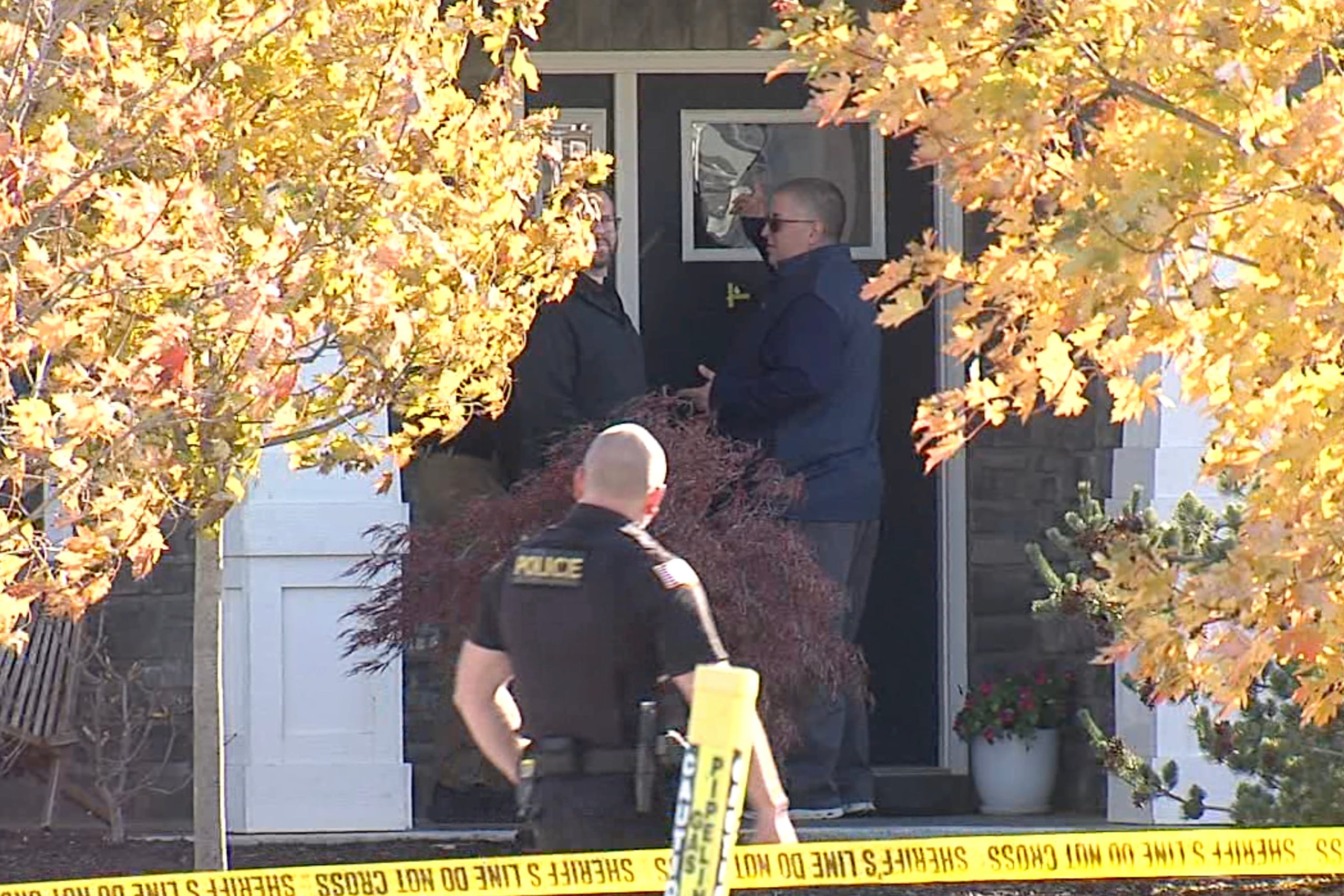
A tragic incident occurred in the outlying areas of Indiana, where a Guatemalan cleaning company employee mistakenly entered the front door of a different house on the 5th. The individual was fatally shot by a bullet fired from inside the home. According to police who responded to a home invasion report, the event was described as “a simple address error.” However, the victim’s husband expressed his frustration, stating, “If they felt suspicious, shouldn’t they have called the police before shooting?”
This unfortunate event is not an isolated case. In the United States, there have been several recurring tragedies where mistakes in locating addresses have led to shootings. For instance, in 2023, a 16-year-old Black boy in Missouri was seriously injured after ringing the wrong doorbell. An 80s homeowner claimed to have felt “threatened” and fired at him. Similarly, in New York, a 20-year-old woman searching for a friend’s house drove into another home’s driveway and was killed by a shotgun fired by the homeowner. In Texas, two cheerleaders in their 20s who mistakenly opened the door of another vehicle in a parking lot were also seriously injured by gunfire from the vehicle’s owner.
Legal Frameworks and Self-Defense
Behind these incidents are legal principles such as the “Castle Doctrine” and “Stand Your Ground,” which relate to self-defense. The Castle Doctrine, originating from medieval England and deeply rooted in U.S. law, suggests that individuals have no duty to retreat when encountering an intruder in their own residence. This doctrine is based on the idea that “a home is a castle,” allowing for the use of force the moment one feels threatened. It emerged during a time when law enforcement could not always reach every part of the country quickly, increasing the need for self-defense.
The Stand Your Ground law is a more modern concept that extends this principle to public spaces. First introduced by Florida in 2005 and later adopted by over 30 states, it stipulates that “one can use force against a threat without the obligation to retreat, regardless of location.” Critics argue that this legal framework, combined with the high accessibility of firearms in the U.S., has created a system where minor mistakes can lead to fatal consequences.
Subjective Standards of Threat
The core issue lies in the subjective standard of “threat.” Regardless of whether the other party was armed, had actual intent to intrude, or made a simple mistake, if the homeowner “felt threatened,” the use of force is likely to be justified. In 2018, in Texas, a homeowner who fatally shot an unarmed man shouting in front of his house was not prosecuted, as the incident was deemed justifiable self-defense under the Castle Doctrine.
Racial Bias and Fear
Concerns are growing that such incidents, which repeatedly affect immigrants and people of color, are normalizing tragic accidents fueled by racial bias and fear. This has sparked backlash, with many asking, “How can we go about our daily lives in a country where a single mistake can cost us our lives?” In some states, delivery service workers—many of whom are immigrants—are increasingly demanding protective measures, expressing their fear that “we’re afraid of dying if we get the address wrong.”
Ongoing Challenges
These incidents highlight the complex interplay between legal frameworks, societal fears, and real-world consequences. As the debate over self-defense laws continues, the need for clearer guidelines and greater awareness becomes increasingly urgent. The challenge remains to balance the right to self-defense with the responsibility to prevent tragic misunderstandings that can lead to loss of life.