
Condemnation of Government Actions Against Teachers
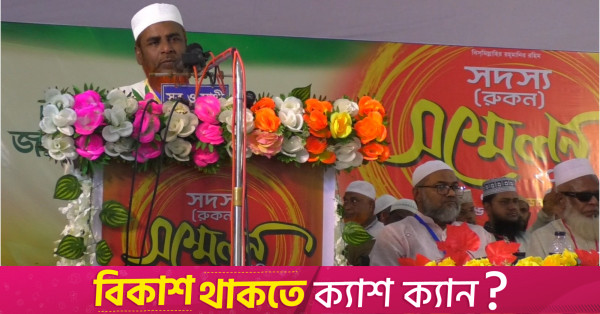
On November 9, the Secretary General of e-Islami and former Member of Parliament, Mia Golam Parwar, strongly criticized the use of police force, sound grenades, and water cannons against government primary school teachers who were demonstrating in Dhaka. The teachers were protesting to demand a salary upgrade to the 10th grade, along with two other key points.
In a public statement, Parwar expressed his deep concern over the government’s approach. He emphasized that the teachers’ demands should be addressed with empathy and resolved through meaningful dialogue. “It is the responsibility of the government to handle these demands in a reasonable and compassionate manner,” he said. “The injuries sustained by over a hundred teachers during the protest are deeply regrettable and painful.”
Parwar highlighted the critical role that teachers play in shaping the future of the nation. “They are the architects of the nation,” he stated. “Any movement involving them should be handled with greater patience and respect.” He called for a more diplomatic approach from the authorities to ensure that the rights and concerns of the teachers are properly acknowledged.
Teachers’ Indefinite Work Abstention Causes Concern
Mia Parwar also mentioned that the teachers have declared an indefinite work abstention, which has raised significant concerns among students, parents, and the general public. With annual exams approaching, the prolonged disruption of classes could have a severe impact on children’s education, according to Parwar.
He urged the government to reconsider its hardline stance and instead engage in constructive dialogue to resolve the issue. “The government should take immediate steps to end the teachers’ movement and find a solution that is acceptable to all parties involved,” he added.
Political Implications and Future Steps
Parwar also touched upon the political implications of the ongoing situation. He mentioned that Jamaat, the political party he represents, is preparing candidates for 300 constituencies, indicating a strategic move to address the growing discontent among the teaching community and the broader public.
“
This development underscores the need for a comprehensive approach to address the grievances of the teachers while ensuring that the educational system remains stable. The government must recognize the urgency of the situation and act swiftly to prevent further unrest.
Call for Dialogue and Resolution
Parwar reiterated his call for dialogue between the government and the teachers’ representatives. “A peaceful resolution is not only necessary but also in the best interest of the students and the country as a whole,” he said. “We must find a way to meet the teachers’ demands without compromising the integrity of the education system.”
He also emphasized the importance of maintaining social harmony and avoiding any escalation of tensions. “The use of force and harsh measures will only deepen the divide and lead to more suffering,” Parwar warned.
Conclusion
As the situation continues to unfold, the need for a balanced and empathetic response from the government becomes increasingly clear. The teachers’ movement highlights the broader challenges faced by the education sector and the urgent need for reform. By engaging in open and respectful dialogue, the government can address the concerns of the teachers while safeguarding the interests of the students and the public.