
US States Ordered to Reduce SNAP Benefits Amid Legal Dispute
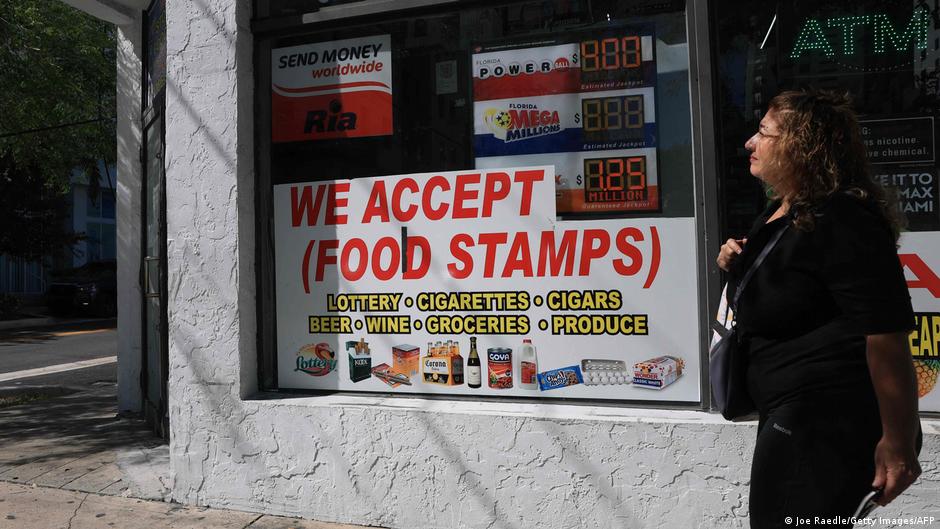
The Trump administration has instructed US states to stop issuing full Supplemental Nutrition Assistance Program (SNAP) benefits to millions of low-income Americans. This move comes as the administration faces a legal battle over the lack of federal funding, which has been exacerbated by a 40-day government shutdown—the longest in U.S. history.
According to recent guidance from the U.S. Department of Agriculture (USDA), states must now issue only about 65% of the usual SNAP benefits for November. The directive came after the Supreme Court paused a lower court ruling that had required the administration to shift funds from child nutrition programs to cover the shortfall in SNAP funding.
The USDA emphasized that states should not transmit full benefit issuances and instead process reduced payments using contingency funds. If any states had already loaded full benefits onto recipients’ cards, they were deemed “unauthorized” and ordered to reverse those actions immediately. Failure to comply could result in penalties such as losing federal administrative funding or being held liable for overpayments.
Guidance Reversed Due to Legal Challenges
This new instruction marks a reversal of an earlier USDA memo issued on Friday, which had indicated that states should provide full funding to comply with a Rhode Island federal judge’s order. However, this order was paused late Friday night by Supreme Court Justice Ketanji Brown Jackson. The pause prevents the administration from reallocating $4 billion (€3.46 billion) from child nutrition programs to cover the SNAP funding gap while appeals are ongoing.
Some states have already issued full benefits and are refusing to reclaim them, vowing to take legal action if penalized. In one court filing, more than 20 states warned that failing to reimburse full SNAP payments could lead to “catastrophic operational disruptions.”
Millions at Risk of Budget Shortages
Approximately 42 million low-income Americans, including families with children, seniors, and disabled individuals, depend on SNAP benefits. While the program is federally funded, it is administered at the state level. The ongoing government shutdown has left SNAP without new funding, as contingency funds have only covered a portion of November’s benefits.
As the legal disputes continue, many SNAP recipients are facing severe challenges. Food pantries are experiencing increased demand, and some individuals are skipping medications or making difficult budget sacrifices to make ends meet.
Ongoing Legal Battles and Uncertainty
The situation highlights the growing uncertainty surrounding SNAP benefits as the legal battle between the Trump administration and various states continues. The Supreme Court’s decision to pause the lower court’s ruling has added another layer of complexity to an already fragile system.
With no immediate resolution in sight, the future of SNAP benefits remains uncertain for millions of Americans who rely on the program to put food on their tables. As the legal cases unfold, the impact on vulnerable populations will likely grow unless a long-term solution is found.
The outcome of these legal challenges could have far-reaching implications for food security across the country. Until a resolution is reached, the burden will fall heavily on both states and recipients, who are already struggling to cope with the financial strain caused by the prolonged government shutdown.