
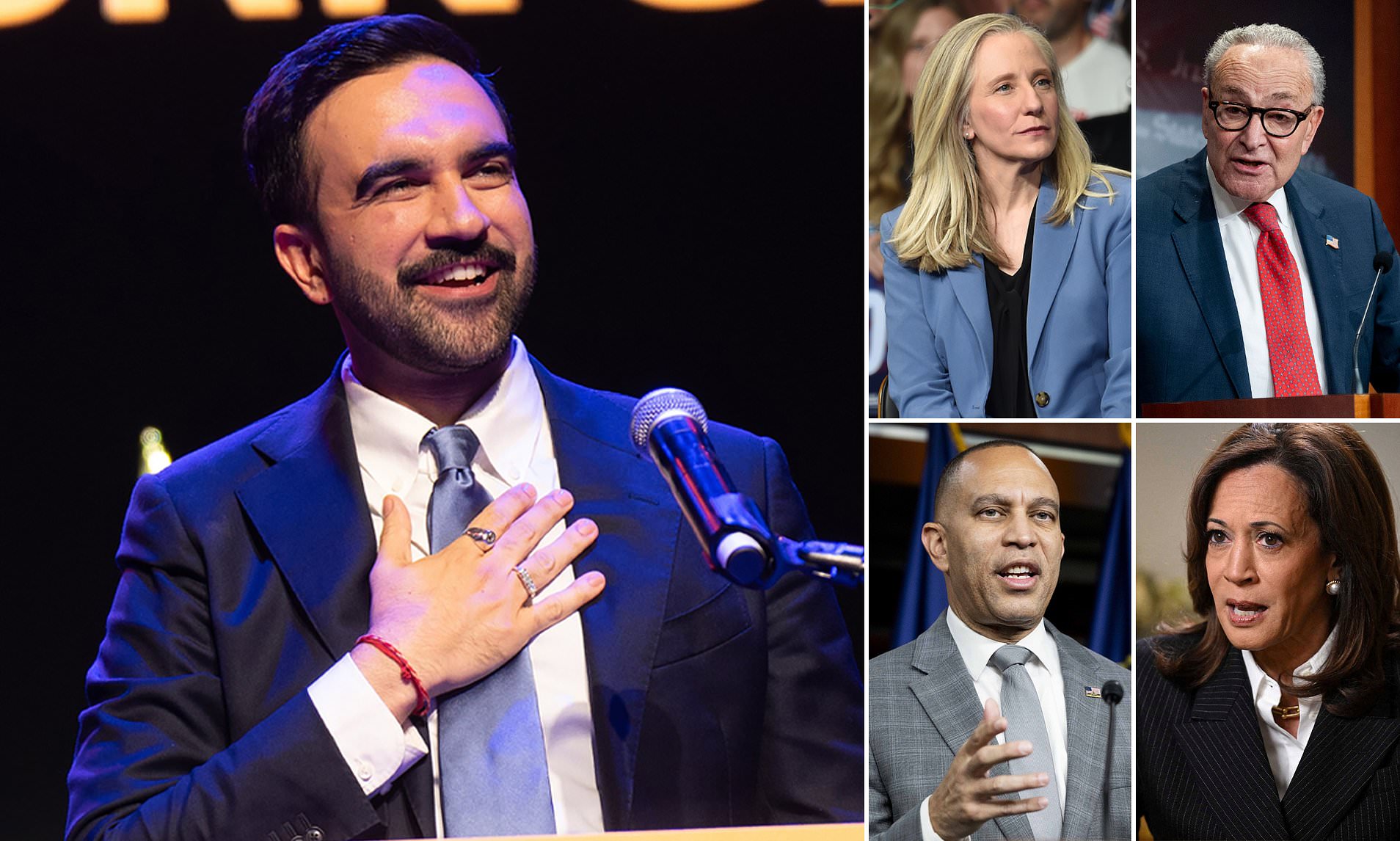
The Democratic Party’s Internal Struggles Over Zohran Mamdani’s Victory
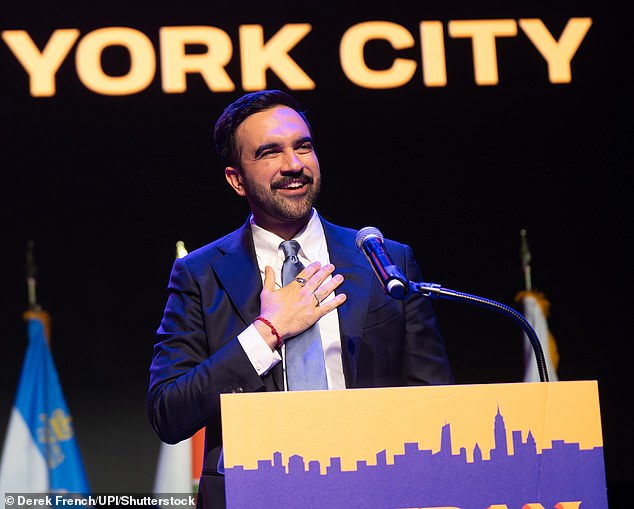
The Democratic Party experienced a mixed outcome in the recent elections, securing two governorships and gaining an edge in California’s redistricting battle. However, the party is now grappling with internal divisions following Zohran Mamdani’s unexpected victory as New York City’s first Muslim and democratic socialist mayor.
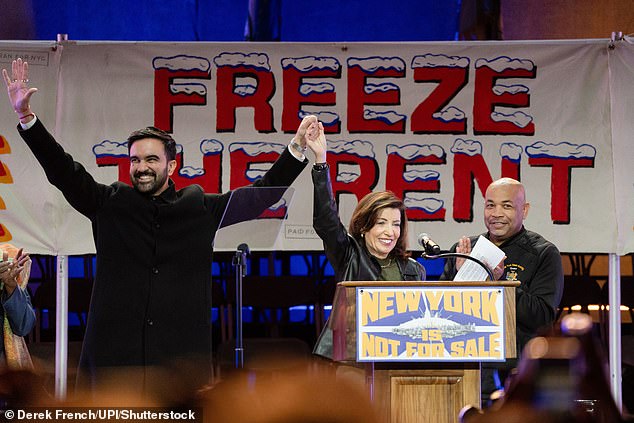
Mamdani, a 34-year-old state assemblyman from Queens, ran on a platform that emphasized affordability and social equity. His campaign focused on issues such as halal cart operators struggling with high food permit costs and expanding childcare access. These proposals have not been universally welcomed by moderate Democrats, who are more concerned about his plans to freeze rent for stabilized tenants, establish city-owned grocery stores, and make public transportation fare-free.
The socialist label attached to Mamdani has also raised concerns among some party members, who fear it could make the Democratic Party more vulnerable to Republican attacks. Despite this, many moderates have chosen to remain silent or avoid direct engagement with Mamdani’s campaign.
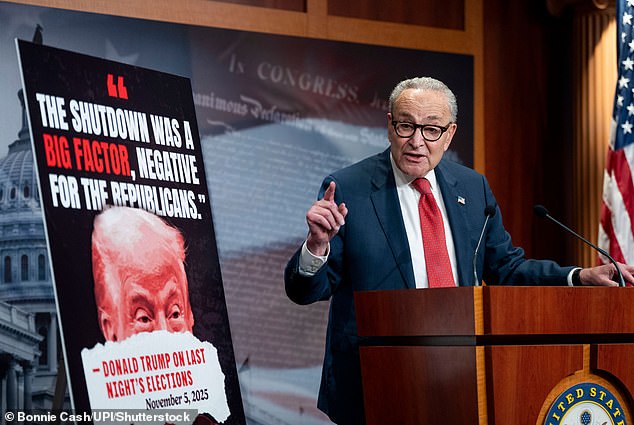
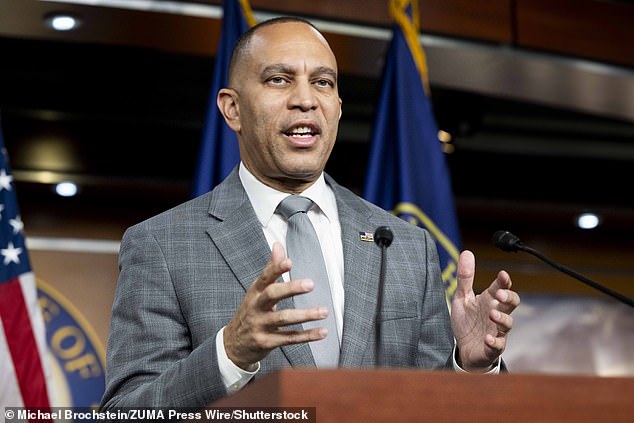
New York Senator Chuck Schumer, a prominent figure in the party, did not publicly address Mamdani during the campaign. After the election, he spoke with the mayor-elect but did not comment on whether he supported him. Similarly, House Democratic Leader Hakeem Jeffries avoided questions about Mamdani for months before offering a lukewarm endorsement. In a statement, Jeffries acknowledged areas of agreement and disagreement with Mamdani but expressed doubts about his future role in the party.
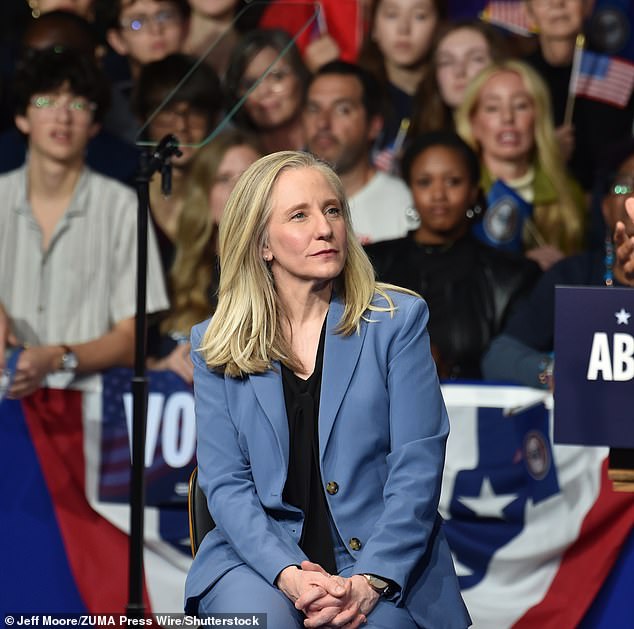
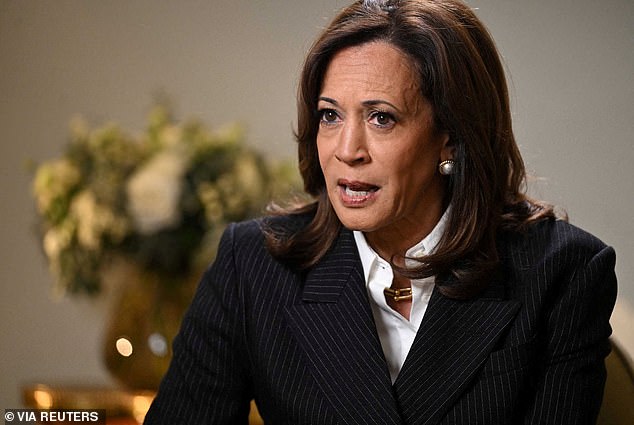
Former Vice President Kamala Harris took a similar approach, stating that she supports the Democratic nominee but emphasizing that Mamdani is not the only leader in the party. Meanwhile, Virginia Governor Abigail Spanberger, who won her race by a significant margin, voiced skepticism about Mamdani’s policies. She criticized the idea of government-run grocery stores, noting that such proposals may be difficult to implement.
In contrast, New York Governor Kathy Hochul, another moderate Democrat, eventually endorsed Mamdani. Although she was initially hesitant, Hochul attended one of his rallies and praised his commitment to working people. However, their relationship may be strained due to potential conflicts over tax hikes on high-income earners and corporations.
The varying responses within the Democratic Party have led to a cautious acceptance of Mamdani’s rise. Think tanks like Third Way have weighed in, acknowledging Mamdani’s campaign strategies while warning against his radical image. They argue that his policies may not be suitable for broader electoral success and could weaken the party’s appeal in key districts.
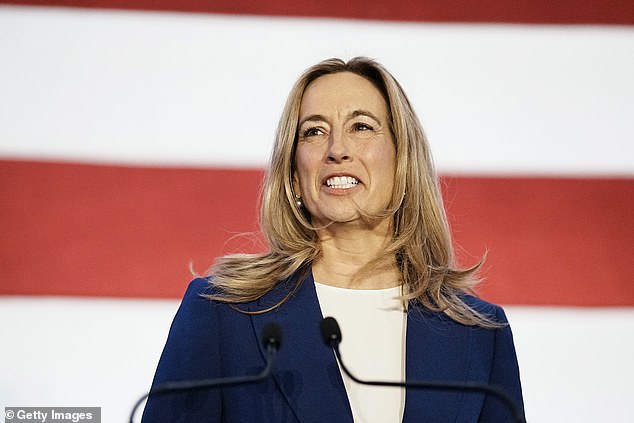
Jim Kessler of Third Way pointed out that candidates like Abigail Spanberger and Mikie Sherrill won their races with more moderate approaches. He also expressed concern that Mamdani’s association with the Democratic Socialists of America could harm the party’s chances in the midterms.
Some lawmakers, like New Jersey Representative Josh Gottheimer, worry that focusing on Mamdani could distract the party from its core goals. For example, Mamdani’s past support for defunding the NYPD has drawn criticism, even though he has since distanced himself from that stance.
Despite these concerns, some see value in Mamdani’s focus on affordability. Dan Kanninen, a director for Kamala Harris’s presidential campaign, noted that addressing cost-related issues has resonated with voters, regardless of the candidate’s ideology.
As the Democratic Party continues to navigate its identity in the wake of Mamdani’s victory, the debate over the balance between progressive ideals and pragmatic governance remains at the forefront. Whether Mamdani’s policies will strengthen or weaken the party’s national agenda is yet to be seen.