

A Woman’s Lawsuit Against a Fertility Clinic Over Alleged Stroke Caused by IVF Treatment
A 51-year-old businesswoman is taking legal action against a renowned fertility clinic, alleging that an intensive “bootcamp” treatment led to a stroke and lasting vision loss. Navkiran Dhillon-Byrne, who serves as the chief marketing officer at an international software company, began her IVF journey at the Assisted Reproduction and Gynaecology Centre (ARGC) in April 2018. She had previously tried for a child since 2014, experiencing three pregnancies that ended in miscarriages.
After being told by the NHS that it could not fund her treatment and facing challenges at another private clinic, she turned to ARGC. The clinic, known for its high success rates, was recommended by a friend. However, during her treatment, Ms. Dhillon-Byrne underwent a controversial “add-on” therapy called IVIg immunotherapy, which aims to regulate immune responses during pregnancy.
Ten days after completing the treatment, she suffered a stroke on April 28, 2018, which she claims has caused ongoing vision problems. Now, she is suing the clinic and its medical director, Dr. Mohamed Taranissi, for negligence, claiming they failed to provide adequate warnings about the risks of the additional treatment.

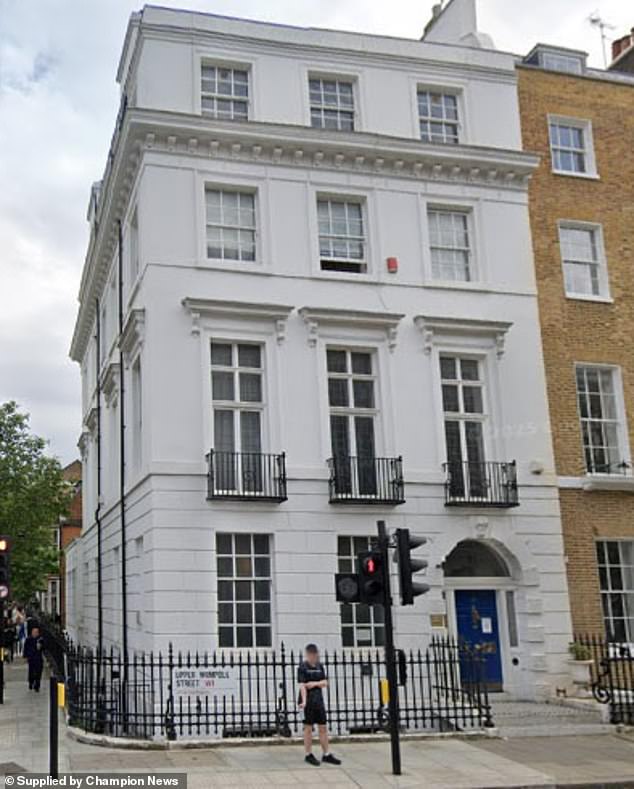
The clinic and Dr. Taranissi deny any wrongdoing, asserting that Ms. Dhillon-Byrne was fully informed of the risks and that the IVIg treatment did not cause her stroke. The ARGC website highlights its approach as “in-depth investigations, daily monitoring and real-time treatment adjustments,” with the slogan “some call it IVF bootcamp – our patients call it their miracle.”
Central London County Court heard that Ms. Dhillon-Byrne had been denied NHS fertility treatment and had an unsuccessful IVF attempt at another clinic before turning to ARGC. She described her experience as being rushed through consultations, with limited information about the role of IVIg therapy. During one consultation, she said she was asked why the treatment would be used but received minimal details, only being told that it was more effective.
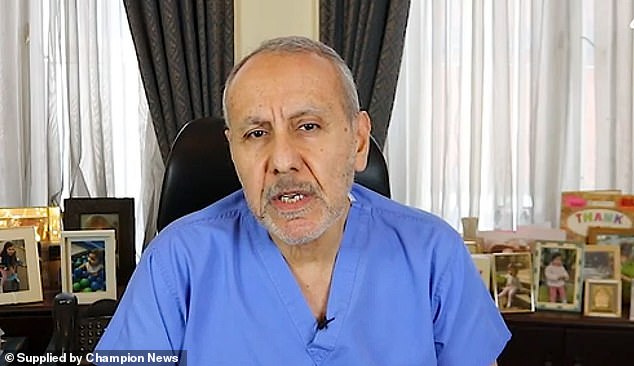
Ms. Dhillon-Byrne claims that the clinic overestimated her chances of successful IVF and failed to obtain proper informed consent. She argues that if she had been aware of the risks, she would not have proceeded with the treatment. IVIg therapy involves administering antibodies from healthy donors and is used to treat certain immune disorders. Some studies suggest it can improve birth rates for those with a history of miscarriages.
The clinic’s defense barrister, Clodagh Bradley, stated that the advice given regarding success rates was accurate and that the immune treatment was acknowledged as new and controversial. However, Ms. Dhillon-Byrne’s lawyer, Charles Feeny, argued that offering IVIg treatment without sufficient evidence of benefit and without informing the patient of the risks was unethical.
He emphasized that the claimant was not warned about the specific risk of thrombosis associated with IVIg treatment, despite being informed of general IVF-related risks. Ms. Bradley countered that Ms. Dhillon-Byrne was determined to continue treatment even with risks, citing her interest in further IVF attempts after the stroke.
However, Ms. Dhillon-Byrne’s lawyers denied this, stating that appropriate advice was given, and she provided informed consent. They claimed she was advised about the risks and benefits of IVF and IVIg, including alternative options and the option of no treatment. Preventive measures, such as aspirin, were also prescribed to mitigate the risk of thrombosis.
If successful, the lawsuit could result in a payout worth millions due to the impact of the stroke on Ms. Dhillon-Byrne’s career. The trial is ongoing, with both sides presenting their arguments in court.
Related Stories
What led Rhian Sugden to spend over £150,000 on IVF treatment after her harrowing five-year struggle?
How did a Cambridge lecturer’s stroke diagnosis turn into a stormy legal battle with the NHS?
Brace yourself: What devastating practices at a fertility clinic left a Brisbane woman horrified and fueled her campaign for stricter regulations?
How did Monash IVF’s stunning embryo mishap leave two families heartbroken and contemplating legal action?
How did remarks about ‘Botox affecting her brain’ lead to a £5,000 payout for this tech firm worker?