
Annual Eye Screening and Community Awareness on Visual Impairment
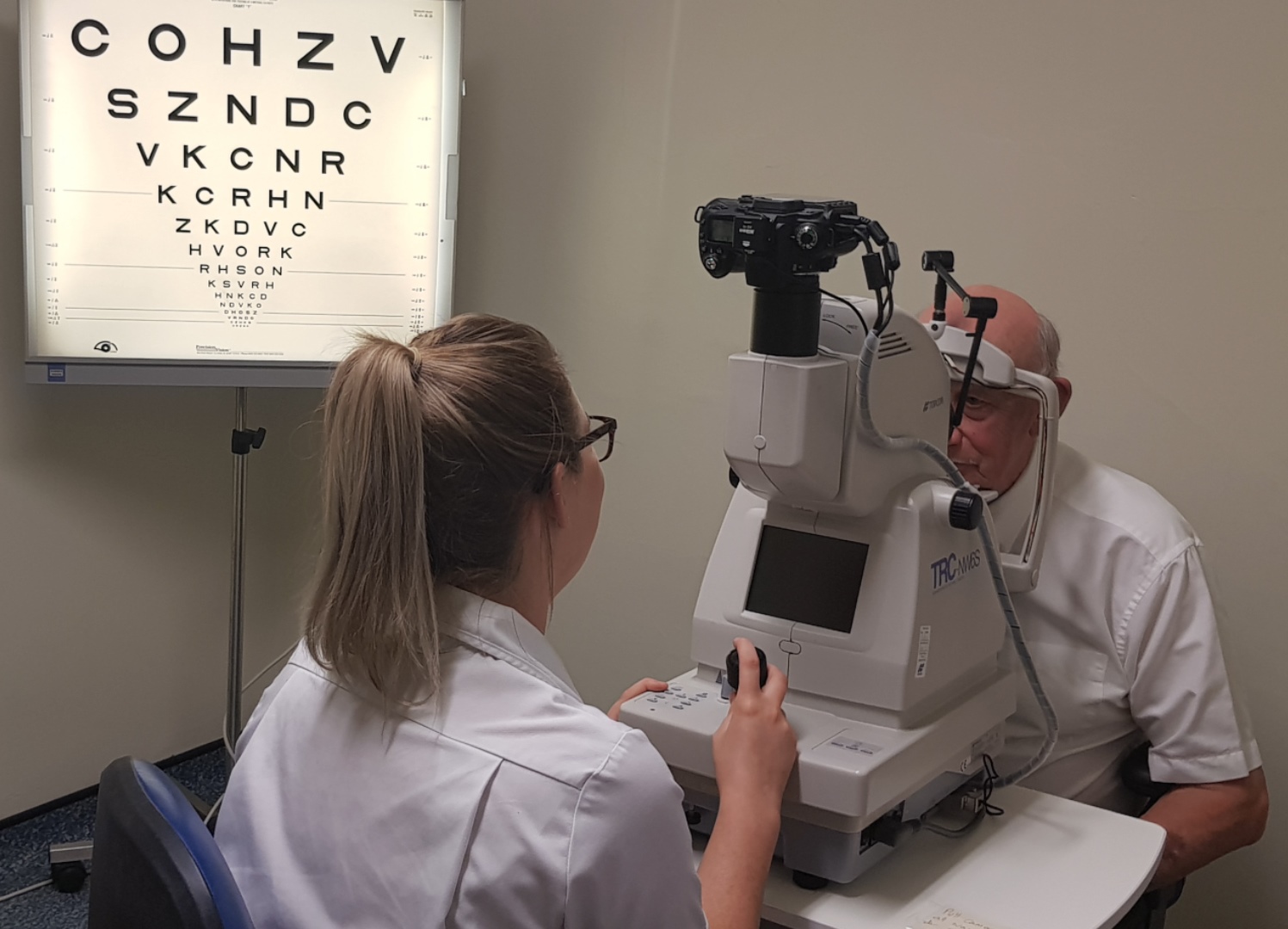
Dr. Eric Kwao, an optometrist at the Volta Regional Hospital in Hohoe, has emphasized the importance of annual eye screenings for the general public to ensure proper eye care. He highlighted that several factors can lead to visual impairment, including genetic conditions, which can be effectively managed if medical attention is sought early.
During a community sensitization event focused on caring for children with visual impairments, Dr. Kwao pointed out that injuries from playing with objects like sticks, pencils, and pens could also contribute to vision problems. Additionally, he warned against the use of traditional remedies such as cassava leaf extracts, breast milk drops, hot water, or seawater, which might cause further harm. Age-related issues were also identified as potential causes of visual impairment.
Dr. Kwao noted that cataract and glaucoma are among the most common causes of visual impairment, but both conditions can be treated through surgery and medication. His message was clear: timely medical intervention is crucial for preserving sight.
Mr. Prosper Kumi, the Hohoe Municipal Chief Executive, expressed concern over the lack of adequate support for visually impaired children. He stressed that these children should not be denied the opportunities they deserve simply because of their condition. “They have the potential to contribute meaningfully to their families, communities, and the nation,” he said. Mr. Kumi urged parents to provide unwavering support to their children with visual impairments and assured the community that the Assembly would continue to advocate for the rights of people with disabilities.
Mr. Israel Aklorbortu, the Volta Regional Director of the Department of Children, delivered a speech on behalf of the regional director during the event. He explained that the sensitization aimed to raise awareness among parents, caregivers, and the broader community about the causes, effects, and treatments of visual impairments in children. He mentioned that children had been screened, and those with visual impairments had been identified. Plans were also announced to establish a support group for parents of visually impaired children.
Mr. Aklorbortu added that the sensitization would provide psychological support to both children with visual impairments and their families. He called on the public, especially parents and community leaders, to stand behind these children, emphasizing that they have equal rights to education, health, and survival. “As stakeholders, it is our responsibility to protect, care for, and help them become resourceful citizens who can contribute to their own development, their communities, the nation, and the world,” he stated.
The event featured various presentations on communication strategies for parents and caregivers, teaching daily activities, and the role of community support in helping children with visual impairments. These sessions aimed to equip participants with practical knowledge and tools to better assist their children.