
The Environmental Impact of Political Rallies
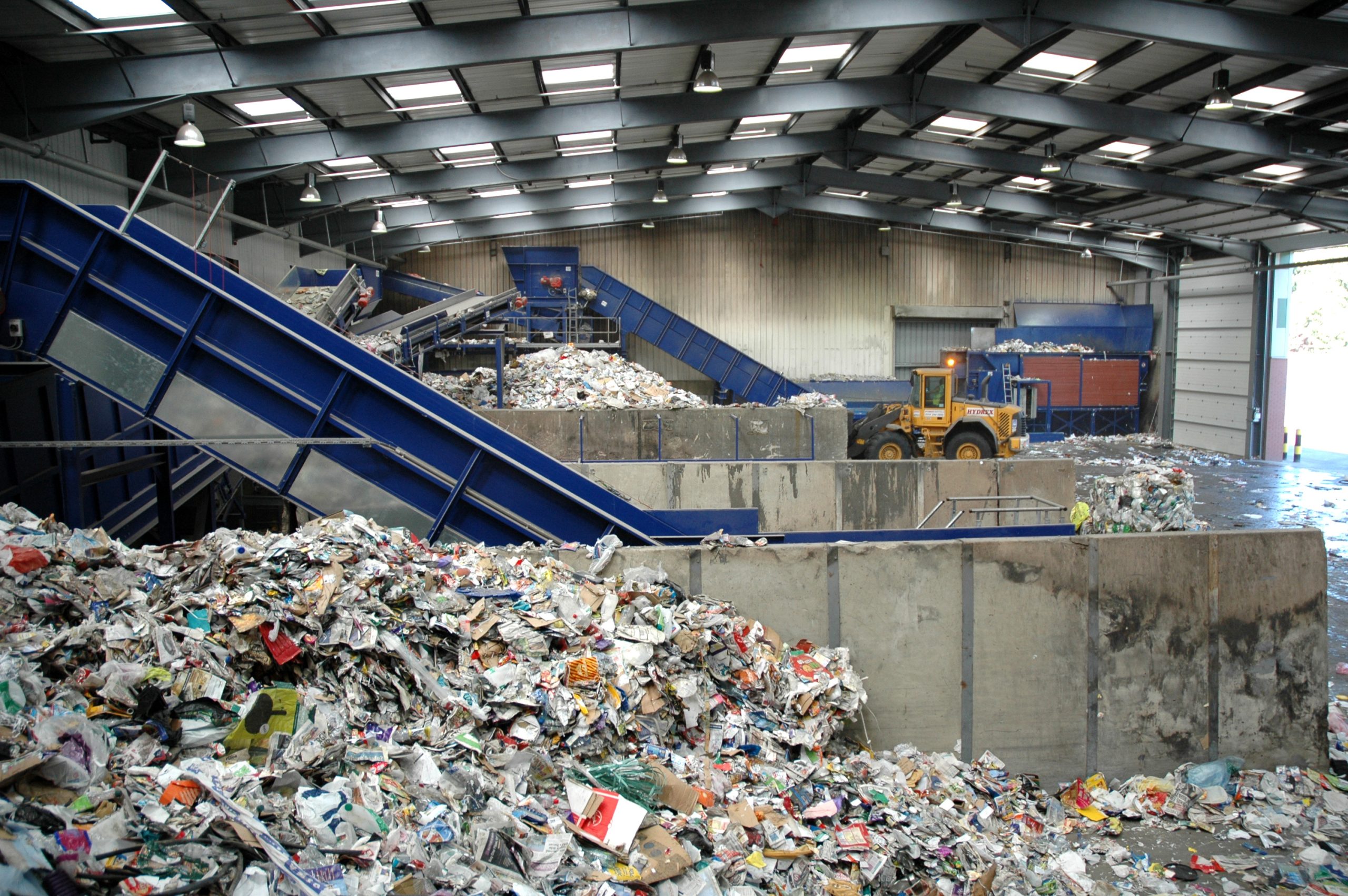
As the 2026 general elections campaigns gain momentum, political candidates are making their way across the country, drawing large crowds with their speeches and promises. While these rallies are a significant part of the political process, they also generate a considerable amount of waste. This waste includes empty plastic bottles, polythene bags, and paper scraps, which can have a detrimental effect on the environment.
The question arises: have the candidates and their campaign teams considered the environmental impact of their events? Are they taking steps to ensure that the areas they visit remain clean and hygienic after the rallies?
Waste Management Challenges
Large gatherings inevitably lead to an increase in waste, especially when it comes to disposable items. Plastic bottles and polythene bags are particularly problematic due to their slow decomposition rate. Paper waste, while biodegradable, can still contribute to pollution if not properly managed.
Environmentalists have raised concerns about the growing amount of waste generated during political campaigns. David Kureeba, a programmes officer at the National Association of Professional Environmentalists (NAPE), has urged candidates and their teams to take responsibility for managing the waste produced during their rallies.
Practical Solutions for Waste Reduction
Mr. Kureeba suggests several practical measures that could help reduce the environmental impact of political rallies. At every event venue, there should be dustbins available to collect the rubbish generated. Even the vehicles used by candidates and their teams should have dustbins to ensure that waste is properly disposed of.
Candidates can also use reusable materials such as water flasks and biodegradable packaging to minimize the use of plastic. Additionally, he recommends that manufacturers introduce a small fee for each plastic bottle collected from the community. This incentive could encourage people to pick up and recycle plastic bottles, even if the reward is as small as Shs50 or Shs2000.
Community Responsibility and Leadership
While community hygiene is largely a matter of individual behavior, it is essential for communities to hold visiting politicians to a higher standard. Aspiring leaders who promise better healthcare, higher salaries for teachers, and improved education should not leave behind a trail of waste after their rallies.
This is an opportunity for candidates to lead by example. The environment is a crucial aspect of the livelihood of voters, and it is important for candidates to demonstrate their commitment to protecting it. Rallies should not be seen as a chance for mass littering but rather as a platform to showcase their values and priorities.
A Call for Proper Waste Management
Environmentalists like Mr. Kureeba emphasize the need for candidates and their teams to develop a proper waste management plan for their rallies. This includes not only setting up waste collection points but also educating attendees on the importance of keeping the environment clean.
By implementing these measures, candidates can show that they are not only focused on winning votes but also on being responsible stewards of the environment. This approach can help build trust with voters and demonstrate a genuine commitment to sustainable development.
Conclusion
As the election campaigns continue, it is vital for all stakeholders to consider the environmental impact of their actions. Political leaders have a unique opportunity to set an example and promote environmental responsibility. By taking proactive steps to manage waste, they can contribute to a cleaner and healthier future for all.