A Call for Collaboration and Shared Vision
Mr. Alex Apau Dadey, Group Chairman of KGL, has called for a renewed spirit of collaboration between the government, policymakers, and industry leaders. He emphasized the importance of trust, shared value, and national ownership as foundational elements for sustainable development.
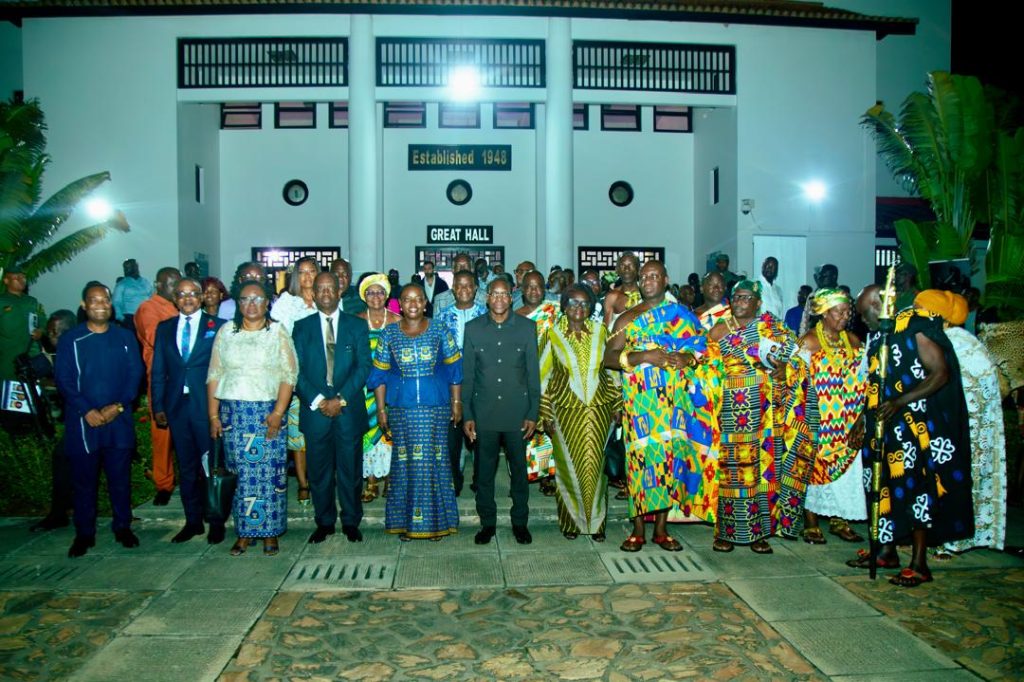
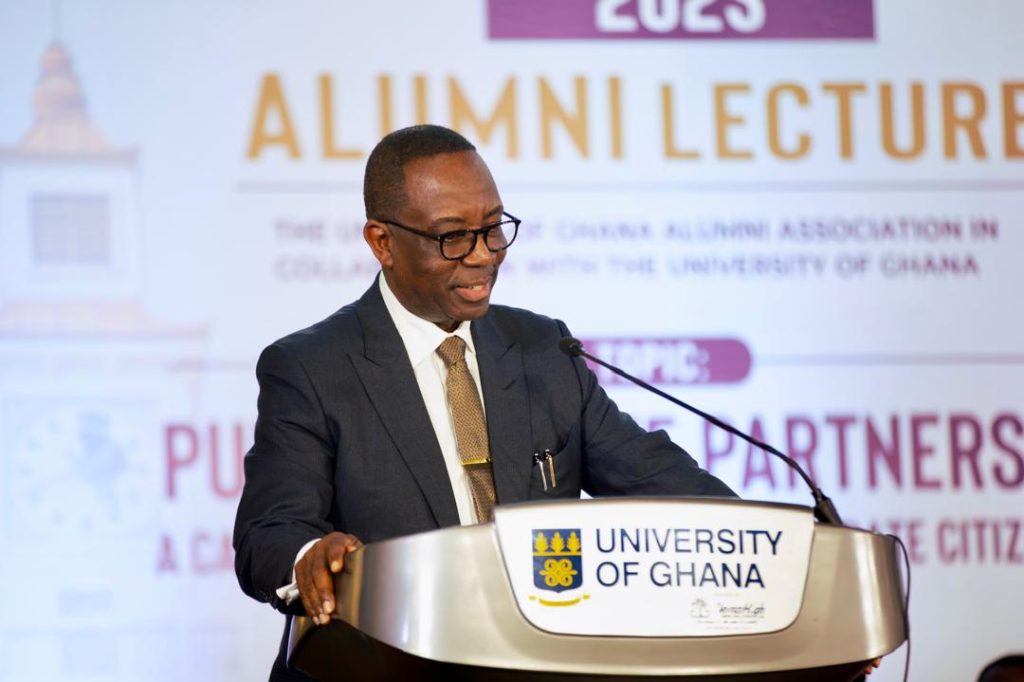
He stated, “Governments do not create wealth – the private sector does. The government may set the rules of the game, but it is the private sector that plays it, with innovation, capital, and resilience.” This sentiment was delivered during the 2025 University of Ghana Alumni Lecture at the Great Hall, where he focused on the theme “Public-Private Partnership – A Case Study of Responsible Corporate Citizenship.”
Dadey highlighted the need for a shift in perception and policy, positioning the private sector as a strategic partner in nation-building rather than a competitor to government. He traced Ghana’s economic history, pointing out the collapse of once-thriving enterprises such as Siaw Industries, GNTC, and Neoplan Ghana. These examples serve as reminders of the country’s failure to protect and grow its indigenous businesses.
In contrast, he cited successful global examples like Tata Motors and Shoprite, which flourished through deliberate state support and policy alignment. Dadey stressed that the solution lies in Public-Private Partnerships (PPPs) underpinned by Responsible Corporate Citizenship, where business success translates into shared social and economic value.
Building Transgenerational Businesses
He emphasized that responsible businesses must aspire to become transgenerational—built on integrity, honesty, and trust, capable of outliving their founders and future generations. Effective PPPs, according to Dadey, could bridge Ghana’s innovation and infrastructural gaps when built on clarity of vision, fair risk-sharing, and good governance.
“You see in every thriving economy, there comes a point where the government can no longer do it alone. The private sector must not only be involved — it must lead, but it cannot do so in isolation,” he emphasized.
Dadey called for a renewed national mindset, asserting that Ghana’s economic independence will not come from aid, but from ownership—ownership of resources, industries, and ideas driven by Ghanaians for Ghanaians.
The Role of the Diaspora
He also spotlighted the critical role of the Ghanaian diaspora, noting that no country had developed or sustained progress without the engagement and commitment of its most valuable human resource—the diaspora. He advocated for a shift from Foreign Direct Investment (FDI) to Diaspora Direct Investment (DDI), where global Ghanaians invest their capital, knowledge, and expertise back into the nation’s development.
Beyond developmental economics, Dadey reinforced the importance of Environmental, Social, and Governance (ESG) principles in shaping responsible businesses and national sustainability.
KGL Foundation’s Initiatives
He cited the KGL Foundation’s targeted initiatives in youth empowerment, education, health, arts and culture, and sports as practical demonstrations of responsible corporate citizenship. The Foundation has touched thousands of lives, awarding over 300 scholarships to brilliant but needy students at all levels.
In sports development, KGL Foundation has been instrumental in the revival and sponsorship of Ghana’s U-17 Colts Football Programme and sponsorship of the black stars for four consecutive years.
Through its mental health advocacy and intervention programmes, KGL Foundation has partnered with health institutions and NGOs to extend support to the vulnerable and break the stigma surrounding mental illness.
A Unified Approach to Development
Dadey called on all sectors—public, private, and the diaspora—to join hands in redefining Ghana’s development narrative. “The government cannot do it alone. Businesses cannot do it alone. Academia cannot do it alone. Communities cannot do it alone. However, together – when we bring our ideas, our resources, our knowledge, and our will – we can ignite transformation that will echo for generations. The time for convenience is past. This is the hour for conviction and partnership.”