
Introduction to the New Air Quality Monitoring System
Romania is taking a significant step towards improving public health and environmental transparency by initiating a public consultation on proposed changes to its national air quality regulations. These updates aim to provide residents with real-time pollution data, moving away from the current system that relies on 24-hour averages. This shift is expected to make air quality information more relevant and actionable for citizens.
The initiative stems from a draft order that revises Order 1818/2020, which outlines the methodology for calculating and reporting air quality indices across the country. The new approach aligns with European Union standards and focuses on enhancing the accuracy and immediacy of pollution data.
Why the Change Matters
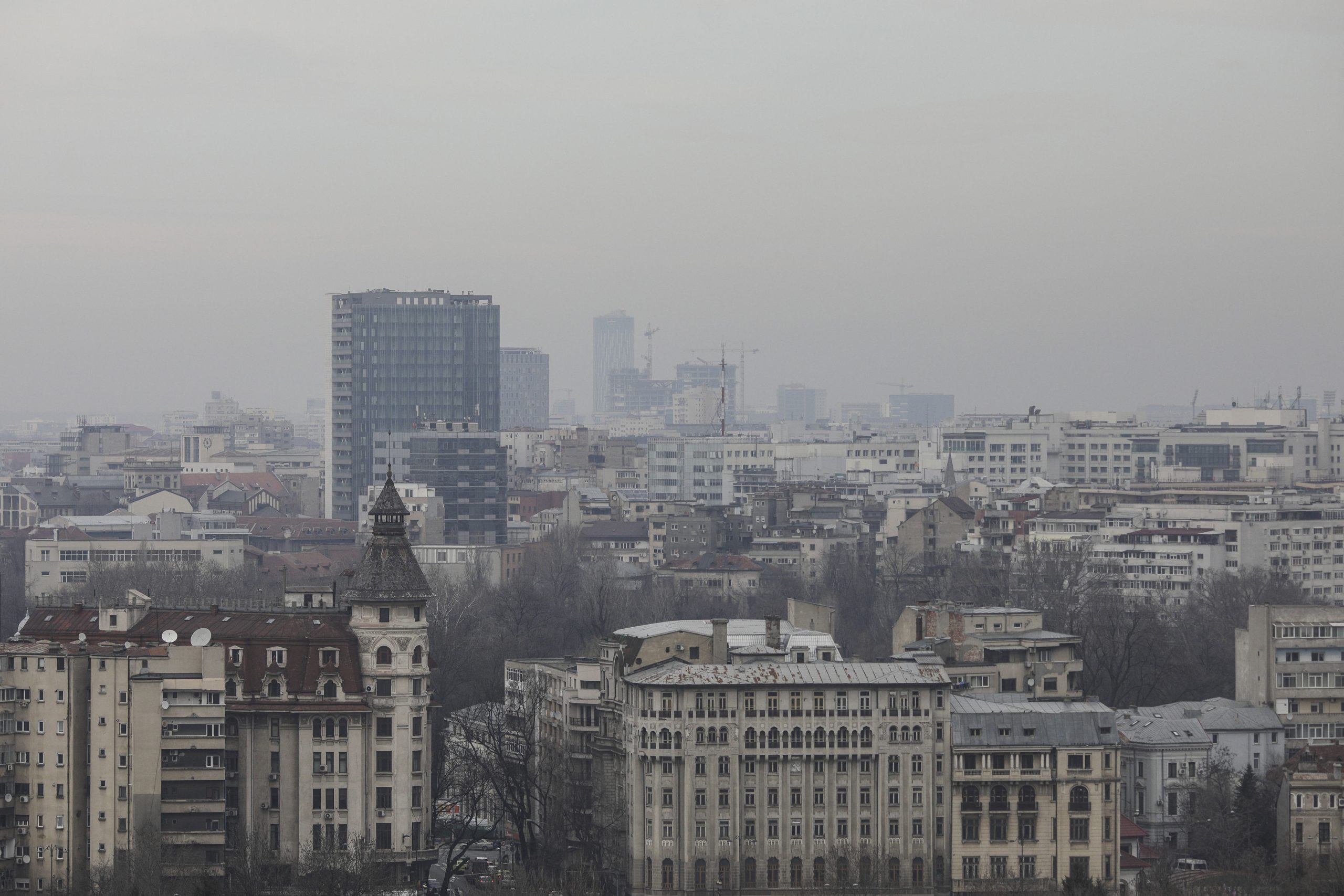
Environment Minister Diana Buzoianu emphasized the importance of this reform, stating that it is crucial for protecting public health and ensuring Romania meets EU requirements. She highlighted a recent incident in Bucharest where residents struggled to breathe due to a warehouse fire, yet official sensors displayed green, indicating safe air quality. This discrepancy occurred because the existing system measures pollutant levels over a 24-hour period, which does not reflect immediate conditions.
“The current system doesn’t account for short-term spikes in pollution,” said the minister. “People need to know what air they are breathing at any given moment, not just an average over the past day.”
Key Components of the Proposed Changes
The proposed amendments include several critical updates:
- Hourly Averages:Instead of using 24-hour averages, the new system will calculate hourly index values. This change allows for more timely responses to pollution events.
- Updated Concentration Ranges:The revised European Air Quality Index will adjust the concentration ranges for major pollutants such as PM2.5, PM10, nitrogen dioxide, ozone, and sulfur dioxide.
- Health Messages:Clear and specific health messages will be associated with each pollution risk level, helping the public understand the implications of air quality readings.
These updates are designed to improve the accuracy of air quality monitoring and empower citizens with more relevant information.
Impact on Public Health and Environmental Policy
Once the regulation is finalized, Romania’s official air quality monitoring platform will be upgraded to display live hourly pollution data. This enhancement is expected to facilitate quicker and more effective actions to protect public health during periods of high pollution.
The new system will also support better decision-making for local authorities and environmental agencies, enabling them to implement targeted interventions when necessary. By adopting methodologies aligned with EU standards, Romania is positioning itself as a leader in environmental transparency and public health protection.
Conclusion
The proposed changes to Romania’s air quality regulations represent a significant advancement in environmental policy. By shifting from 24-hour averages to hourly data, the country is taking a proactive approach to addressing pollution and safeguarding public health. As the public consultation progresses, it is hoped that these reforms will lead to a more responsive and transparent air quality monitoring system, benefiting both citizens and the environment.