
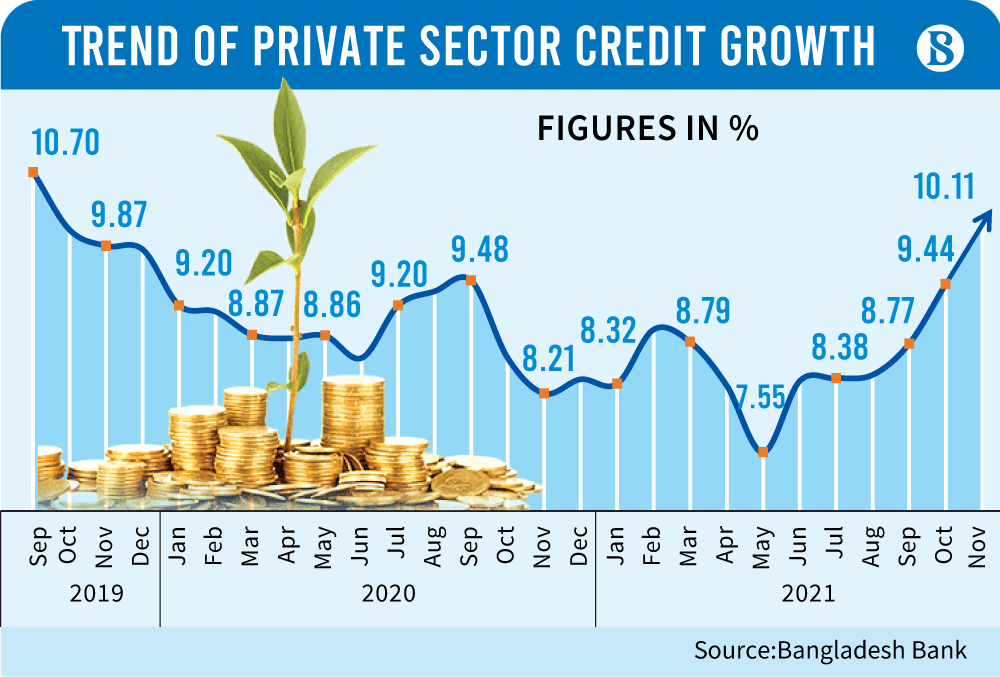
Credit Growth in the Private Sector
The total credit extended to the private sector (PSCE) has shown a notable acceleration, reaching N$702.4 million in September. This increase has brought the total outstanding credit balance to N$121.3 billion. The data indicates a 0.6% month-on-month growth and a 5.86% year-on-year increase, signaling that credit growth is gradually returning to pre-pandemic levels.
Over the past twelve months, a significant amount of credit has been allocated to different sectors. Specifically, N$4.42 billion has been extended to corporations, while N$2.29 billion has been provided to individuals. This distribution highlights the varying needs and demands of different segments within the economy.
Credit extended to individuals experienced a 0.6% month-on-month increase and a 3.4% year-on-year rise. This marks the strongest annual growth rate since October 2023, indicating a growing willingness among households to take on credit. The month-on-month growth was driven by a 3.6% increase in ‘other loans and advances,’ which also saw a 9.3% year-on-year increase. According to IJG Research and Securities, this trend is expected to continue following the 25bps repo rate cut at the end of October.
However, not all credit categories showed positive growth. Overdraft facilities experienced a contraction of 10.3% year-on-year, although they recorded a modest 0.7% month-on-month increase. Similarly, credit extended to individuals showed growth, rising by 0.5% month-on-month and 9.5% year-on-year. While overdraft lending and instalment credit categories saw increases, both mortgage loans and ‘other loans and advances’ contracted. Year-on-year, mortgage loans declined by 3.1%, while ‘other loans and advances’ and overdraft facilities increased by 11% and 16.8%, respectively.
Liquidity Position of Commercial Banks
The overall liquidity position of commercial banks has declined to N$7.31 billion, down from an average of N$8.12 billion in August. According to the Bank of Namibia (BoN), this decrease in cash balances was primarily due to cross-border payments.
International Foreign Reserves
Meanwhile, international foreign reserves have further decreased to N$54.67 billion, reflecting a 4.1% month-on-month decline from the N$56.98 billion reserves available at the end of August. This level of international reserves translates into 3.6 months of import cover, whereas the import cover, excluding oil exploration and appraisal activities, stood at 4 months.
According to the BoN, the reduction in foreign reserves was mainly attributed to increased government foreign payments. This situation underscores the challenges faced by the country in maintaining its foreign exchange reserves amidst fluctuating economic conditions.