
Federal Executive Council Approves Key Infrastructure and Judicial Residences in FCT
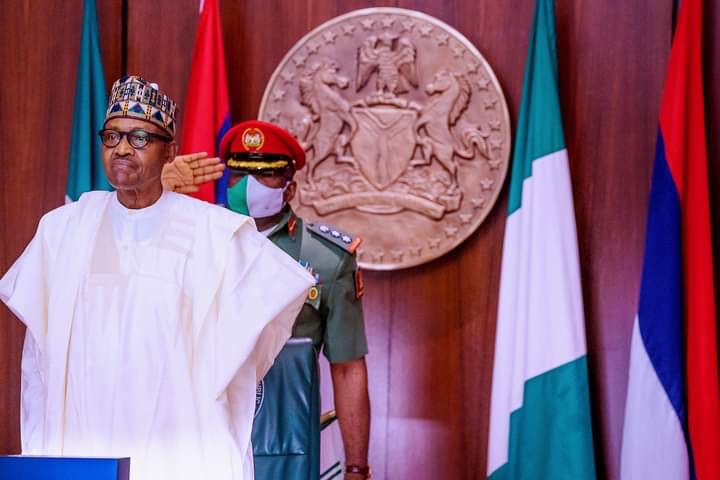
The Federal Executive Council (FEC) has taken significant steps to advance critical infrastructure and judicial developments across the Federal Capital Territory (FCT). The decisions were announced by the Minister of the FCT, Nyesom Wike, following a meeting presided over by President Bola Tinubu at the Presidential Villa in Abuja.
Wike highlighted that the FEC approved the design and construction of official residences for key judicial officials. These include the President of the Court of Appeal, the President of the Industrial Court, the Chief Judge of the Federal High Court, and the Chief Judge of the FCT High Court. This move aims to provide adequate housing for these high-ranking judicial figures, ensuring they have suitable living conditions that reflect their positions.
“Work on the residences had been flagged off earlier, and the necessary consortium arrangements are ongoing to ensure timely delivery,” Wike stated. He emphasized that the project is already underway, with efforts being made to secure partnerships that will facilitate its completion.
In addition to judicial infrastructure, the FEC also greenlit several water projects aimed at improving access to clean water in satellite towns within the FCT. These include Karu, Karshi, Orozo, and Bwari. Wike noted that President Tinubu had previously inaugurated a major water supply project in Greater Abuja and pledged its extension to these areas.
“We have now flagged off this phase, and by May next year, it should be inaugurated,” he said. This initiative is expected to enhance the quality of life for residents in these communities by providing reliable water services.
Another key development was the ratification of the rehabilitation work at the Bola Ahmed Tinubu International Conference Centre. This facility was awarded under emergency procurement and has since undergone significant upgrades. Wike explained that the President had directed the rehabilitation of the centre to meet international standards ahead of the last ECOWAS Parliament inauguration.
“To the glory of God, Mr. President has since inaugurated the rehabilitated facility,” he added. The completed project is now ready to host international events and serve as a hub for diplomatic and cultural activities.
New Engineering Infrastructure Contract in Maitama II District
The FEC also approved a new contract for engineering infrastructure in the Maitama II District of the FCT. This project had initially been awarded about five years ago but never progressed. Upon the arrival of President Tinubu, the previous contract was terminated, and a new one has now been approved.
According to Wike, Maitama II covers over 786 hectares of land, much of which had already been allocated without the necessary infrastructure. “This is a very ambitious project, and we are determined to give it all the required attention to open up the district,” he said.
The development of Maitama II is expected to transform the area into a well-planned residential and commercial hub. It will address the lack of infrastructure in the region and support the growing population in the FCT.
Broader Implications for the FCT
These approvals highlight the government’s commitment to improving the quality of life for residents in the FCT. By investing in judicial facilities, water supply systems, and infrastructure projects, the administration is addressing long-standing issues that have hindered development in the region.
The focus on infrastructure not only supports economic growth but also enhances the overall livability of the territory. With these projects underway, the FCT is poised for significant transformation in the coming years.
Conclusion
The recent decisions by the FEC mark a pivotal moment in the development of the FCT. From judicial residences to water projects and infrastructure contracts, the government is taking concrete steps to improve the region. These initiatives are expected to bring lasting benefits to residents and contribute to the broader economic and social development of Nigeria.