
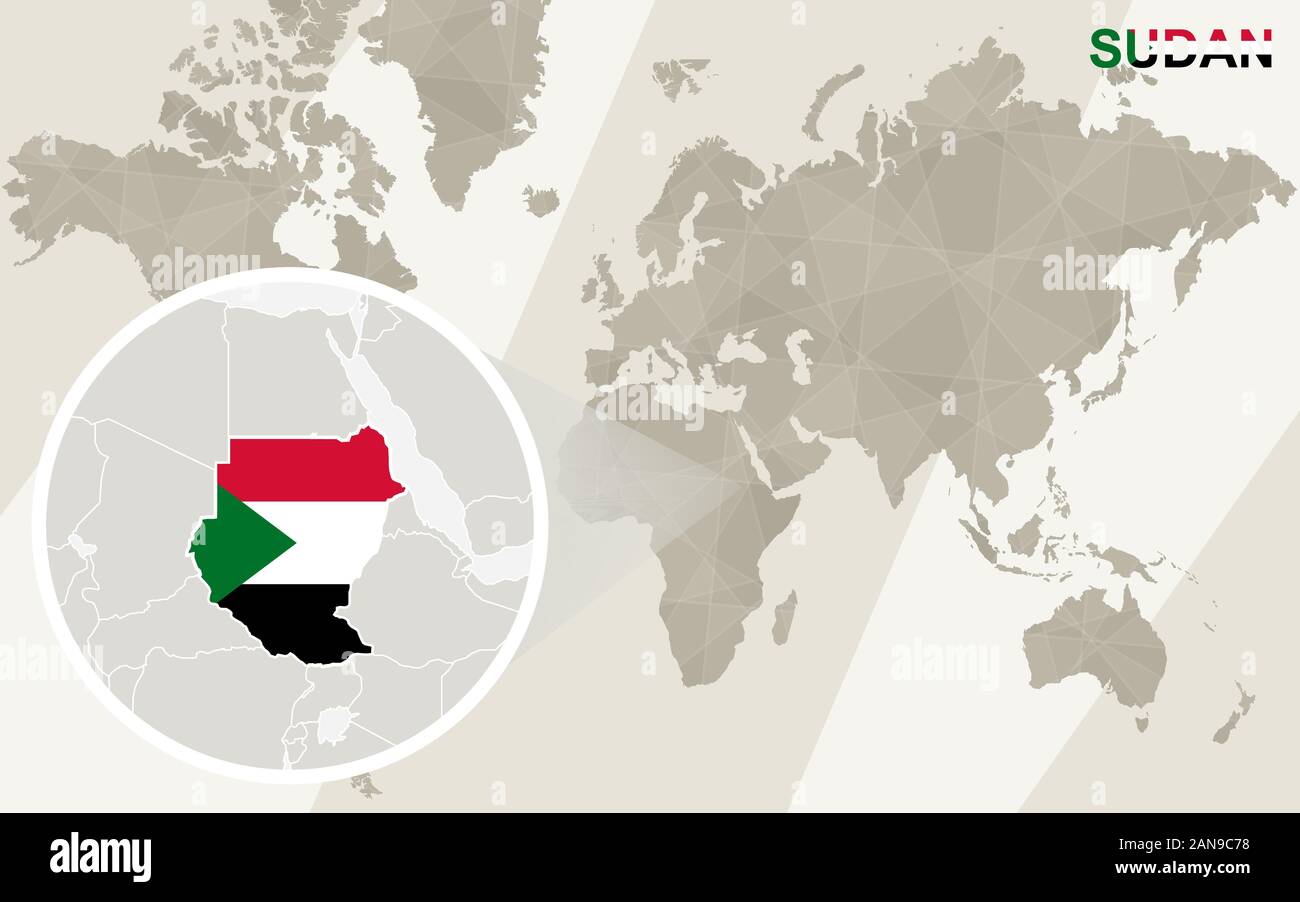
The Conflict in Sudan: A Slaughterhouse of Unprecedented Violence
A United Nations report has described the conflict in Sudan as a “slaughterhouse,” highlighting the escalating violence that has gripped the country. This conflict, which began two years ago as a power struggle between two factions of Sudan’s military, has spiraled into a humanitarian catastrophe with thousands of lives lost.
Last week, the Rapid Support Forces (RSF), a paramilitary group, captured El Fasher, the last remaining stronghold of the Sudanese army in the western Darfur region. Following this event, reports of ethnically motivated massacres emerged. The World Health Organization stated that 460 people were killed in one incident at the city’s hospital alone. Witnesses have described widespread executions and sexual violence targeting specific ethnic groups.
A UN fact-finding mission revealed that both sides in the conflict have committed war crimes and crimes against humanity. Rights groups and analysts are now warning of a potential genocide, drawing comparisons to the start of the Rwanda genocide in 1994, which claimed 800,000 lives. The atrocities in Sudan also mirror the patterns seen in Darfur 20 years ago, which resulted in an estimated 300,000 deaths.
In the early 2000s, global attention was focused on Darfur, thanks in part to celebrity activists like George Clooney. The issue became a major foreign policy concern for the United States, Europe, and Africa. The slogan “never again” was taken seriously, leading to the International Criminal Court indicting Sudanese President Omar al-Bashir for directing mass killings in Darfur. He became the first sitting head of state to be indicted.
Today, Sudan is facing the worst humanitarian crisis in the world. Since 2023, hundreds of thousands have been killed, 12 million people have been displaced, and 21 million face high levels of acute food insecurity. Despite the severity of the situation, the international community has remained largely silent compared to the early 2000s.
Why Global Attention Matters
It might be tempting to suggest that the wars in Gaza and Ukraine have diverted global attention from Sudan. However, this does not mean the world is powerless. While global awareness did not resolve the Darfur crisis alone, it was a crucial first step. It eventually led to the deployment of a peacekeeping mission by the United Nations and the African Union, although it was limited in scope.
International peacekeepers can still have a positive impact in the 21st century by monitoring ceasefires, implementing disarmament programs, protecting civilians, and preventing further escalations of violence. More attention and pressure must also be placed on external actors supporting both sides in the current conflict. These countries are pursuing their own strategic interests in Sudan, seeking to increase their influence and control over its natural resources.
The Sudanese Armed Forces (SAF) are supported by Egypt, Turkey, Iran, and Russia. Meanwhile, the United Arab Emirates has been accused of funding and supplying weapons to the RSF, violating an arms embargo. Although these countries deny arming both sides, rights groups claim that a flood of weapons has entered the country. The UAE, in particular, is accused of covertly supplying drones, howitzers, heavy machine guns, and mortars to RSF fighters in Darfur. The UAE has only recently started to distance itself from the RSF following the recent atrocities in El Fasher.
What’s Needed to Bring Peace
An urgent ceasefire must be agreed upon to allow humanitarian corridors to be opened, enabling aid organizations to operate effectively. All outside military support to the warring parties must end immediately. The current arms embargo is too limited and poorly implemented; it needs to be strengthened. Additional sanctions should also be imposed, especially on those responsible for international crimes. In January, the Biden administration sanctioned the RSF commander and several UAE-based companies supporting him. These sanctions must now be expanded.
This would make it more difficult for Sudan’s lucrative gold trade to continue being used by both sides to sustain the war. For lasting peace, both sides must agree on a mechanism to disarm or integrate the RSF fighters into the regular forces. Establishing a justice and reconciliation process can also contribute to preventing further violence, sending a clear signal that committing crimes will not be rewarded. It can also help communities heal and give peace a better chance.
Nothing of this sort has really happened in Darfur over the past couple of decades. Instead, political actors continued to exploit and aggravate ethnic tensions. The RSF, in particular, has recruited fighters from the infamous Janjaweed militias responsible for the Darfur atrocities in the early 2000s.
The Path Forward
A further complication is the increasing fragmentation of the situation, as the Sudanese Armed Forces and RSF are not perfectly integrated armies. They do not have centralized control over their various coalitions of fighters. This means that while getting the leaders to agree on a ceasefire is important, it may not be sufficient. Peace initiatives must include local agreements with individual rebel leaders and smaller factions of fighters, which can greatly increase the security of the population in particular areas.
To be clear, lasting peace does not come from some miracle peacemaker. Nothing tangible came out of previous attempts at peace talks aimed at ending the conflict this year. However, other actors can play an important role. The United Arab Emirates, for example, may now feel pressured to exert a more positive influence on the RSF and urge it to come to the negotiating table. The same applies to Egypt and the Sudanese Armed Forces.
A more comprehensive plan then needs to be worked out, ideally through an international organization like the United Nations or the African Union, with the goal of empowering the people of Sudan to make their own political decisions.
Sudan is a stark reminder that making lasting peace takes huge efforts. The devastating situation in the country demands the world keep trying.