Ghana’s Bond Market Gains International Recognition for Innovation and Transparency
Ghana’s bond market has gained international recognition for its innovation and transparency, marking a significant milestone in the country’s capital markets development. This achievement highlights the growing importance of the market as a hub for investment and economic growth.
Investor confidence has surged due to regulatory enhancements such as the introduction of clear GFIM (Ghana Fixed Income Market) rules and a robust oversight framework. The market has become one of the most liquid in Sub-Saharan Africa, outside of South Africa and Nigeria.
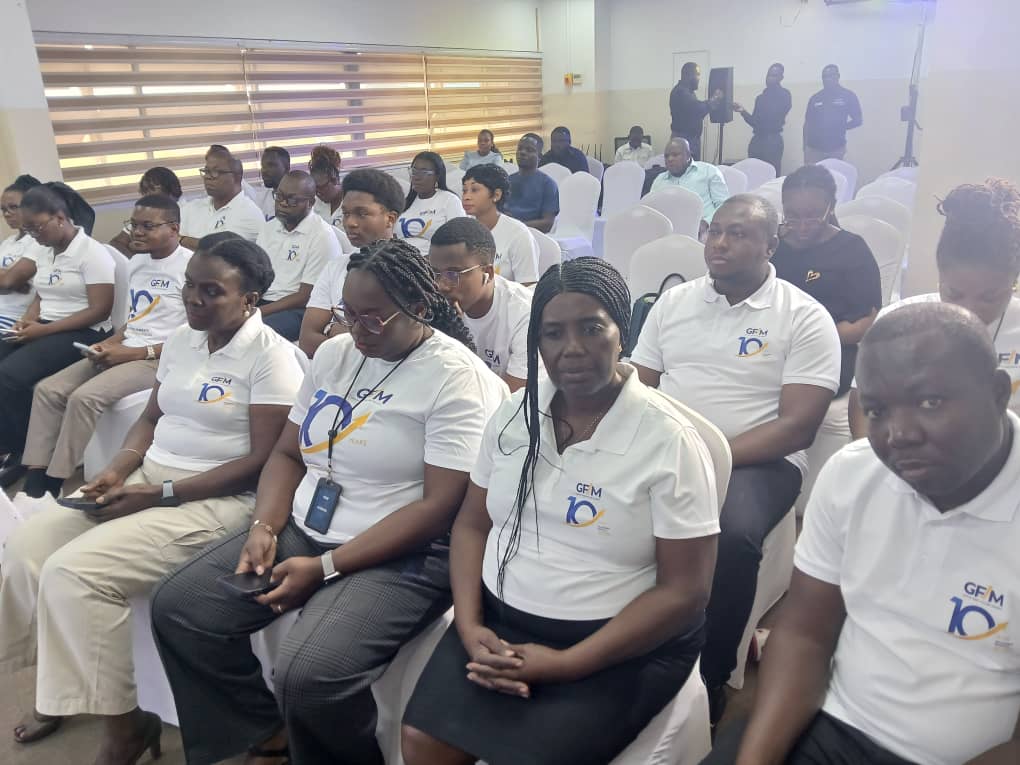
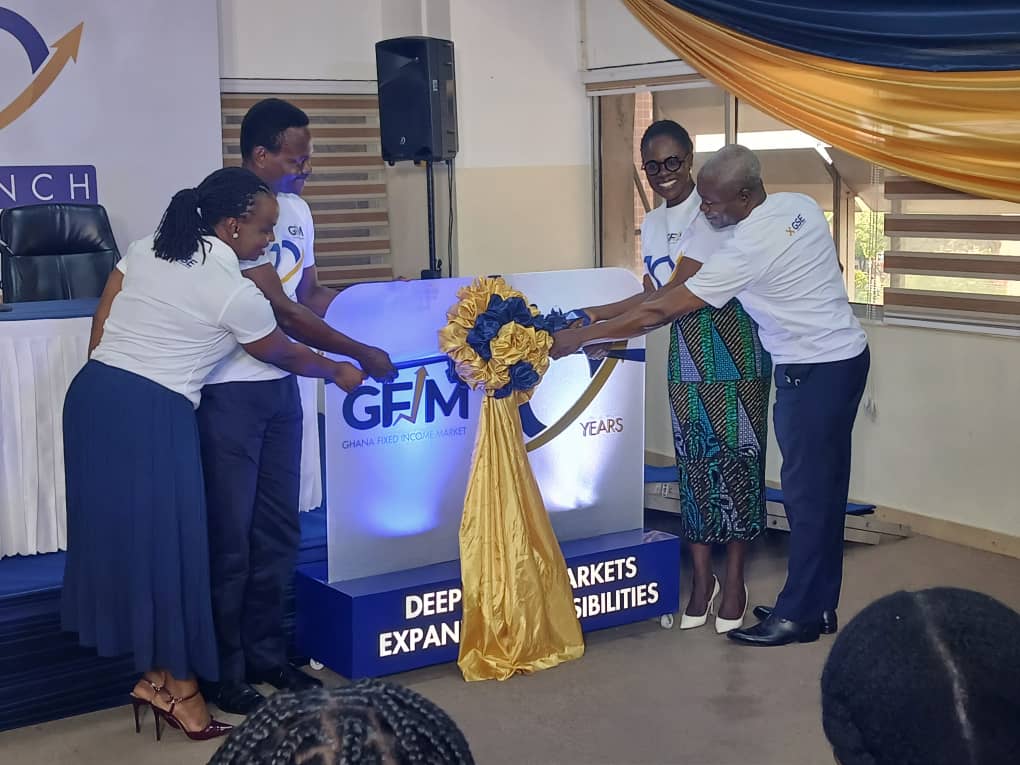
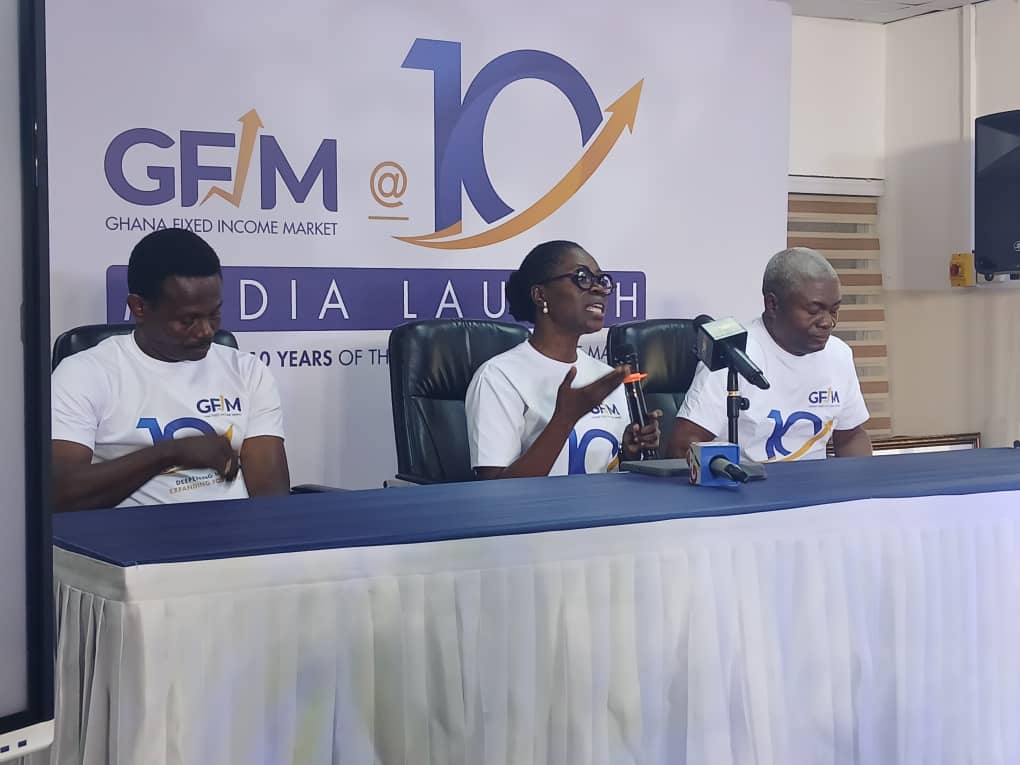
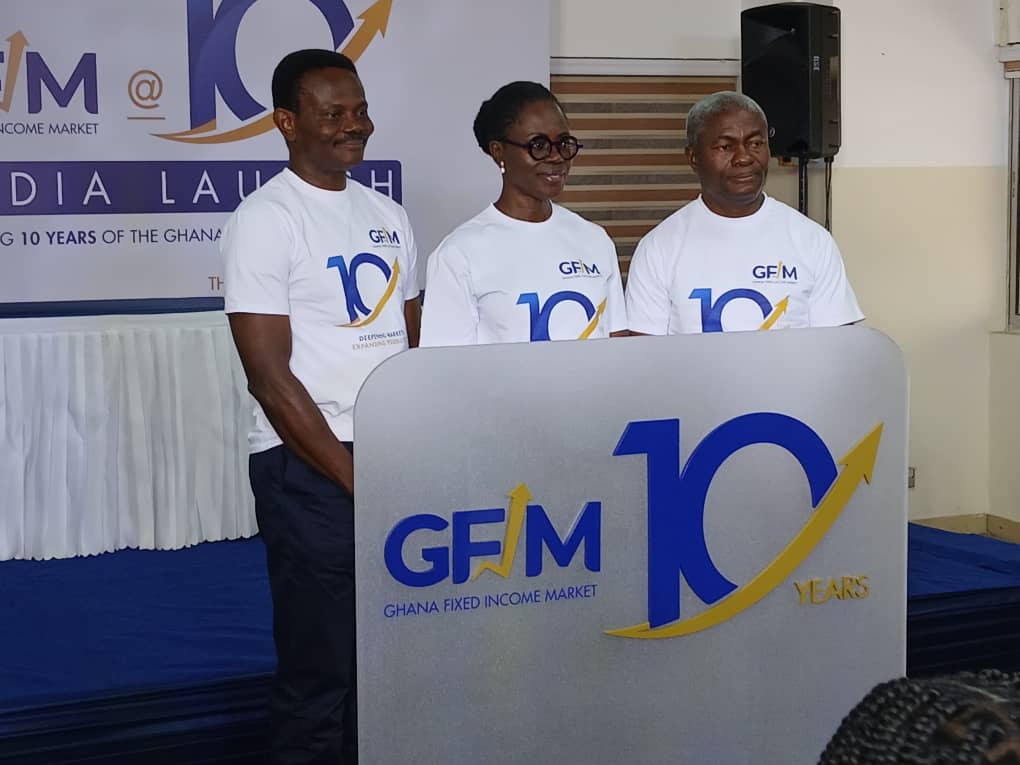
This recognition was shared during a media launch of the 10th anniversary of the Ghana Fixed Income Market (GFIM) in Accra. The event featured a presentation titled: “A Decade of Progress, A Future of Possibilities.” Ms. Abena Amoah, Managing Director of the Ghana Stock Exchange (GSE), discussed the status of the market and its achievements over the past decade.
Key Achievements of the GFIM
Over the past ten years, the GFIM has supported government financing needs and provided the private sector with access to both long and short-term debt capital. It has also achieved significant growth in investor participation, with pension fund assets on the market surpassing GHS90 billion.
Other key milestones include the development of a centralized, rules-based platform that enables efficient trading of public fixed income securities. The introduction of electronic bond trading platforms has significantly enhanced market transparency, leading to substantial volume growth.
Since its inception, the GFIM has traded over one trillion securities, with trading volume peaking at 230 billion in 2022. The market has also expanded its product offerings beyond government securities to include corporate bonds, commercial papers, and Green & Sustainable Bonds. This diversification has provided alternative financing channels for the private sector, enabling greater investment opportunities.
Challenges and Lessons Learned
Despite the progress, the market faces challenges, including macroeconomic pressures and limited corporate issuance. Ms. Amoah noted that exchange rate volatility and the dominance of government debt instruments remain hurdles.
Reflecting on the past decade, she emphasized the need for collaboration among regulators and investors, as well as the importance of strong trading infrastructure. The GSE has also learned that building a culture of fixed income investing requires continuous awareness and capacity-building. Additionally, market reforms must be designed to withstand economic shocks.
Vision for the Next Decade
The next decade of Ghana’s Fixed Income Market will focus on deeper corporate market development, sustainable finance instruments, regional integration, and technology and innovation. Ms. Amoah outlined ambitious goals for the future:
- Increasing the number of Ghanaians with securities accounts from the current two million to 10 million.
- Admitting 100 companies on the market from the current seven to accelerate growth.
- Encouraging government to issue infrastructure bonds for projects such as roads, energy, schools, and hospitals in partnership with Ghanaian investors.
She envisions a vibrant, trusted, deep, and solution-oriented market that addresses Ghana’s financing challenges in partnership with all key stakeholders.
Building Public Awareness
Ms. Amoah acknowledged the lack of understanding of the market’s operations among many Ghanaians. She emphasized the preparedness of the GSE and its stakeholders, including the media, to enlighten the public through various interventions.
“People are confident to do something when they understand it. So, bringing investment literacy to the doorstep of the Ghanaian is key. Until we bring the National Investment Quiz to the level of the National Science and Maths quiz, we still have lots to do,” she added.
Looking Ahead
The GFIM’s 10-year journey reflects a story of transformation, resilience, and opportunity. From its modest beginnings, the market has become a benchmark for transparency in Africa. The next chapter promises to build on this legacy by driving inclusive growth, sustainable financing, and regional leadership.