
A New Push for a Luxury Air Travel Tax at COP30
France, Spain, and Kenya are leading a coalition of over 10 countries in advocating for a new tax on luxury air travel at the COP30 climate summit. The initiative aims to address the disproportionate environmental impact of premium flyers, who contribute significantly more to global warming than economy passengers.
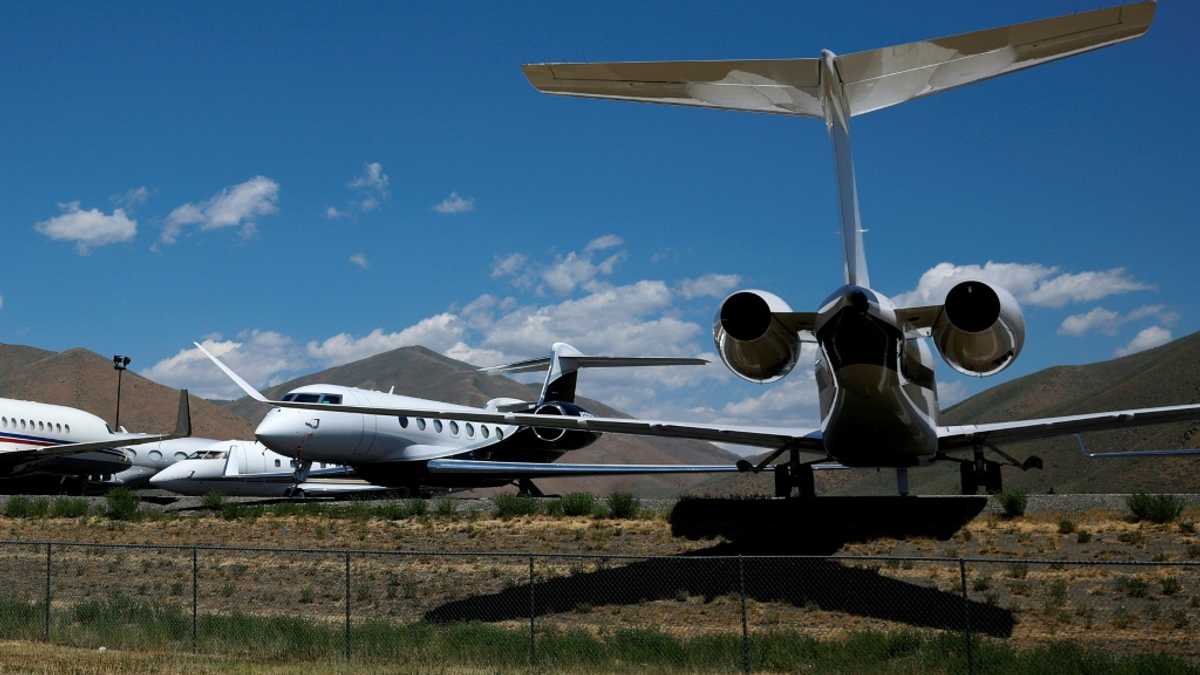
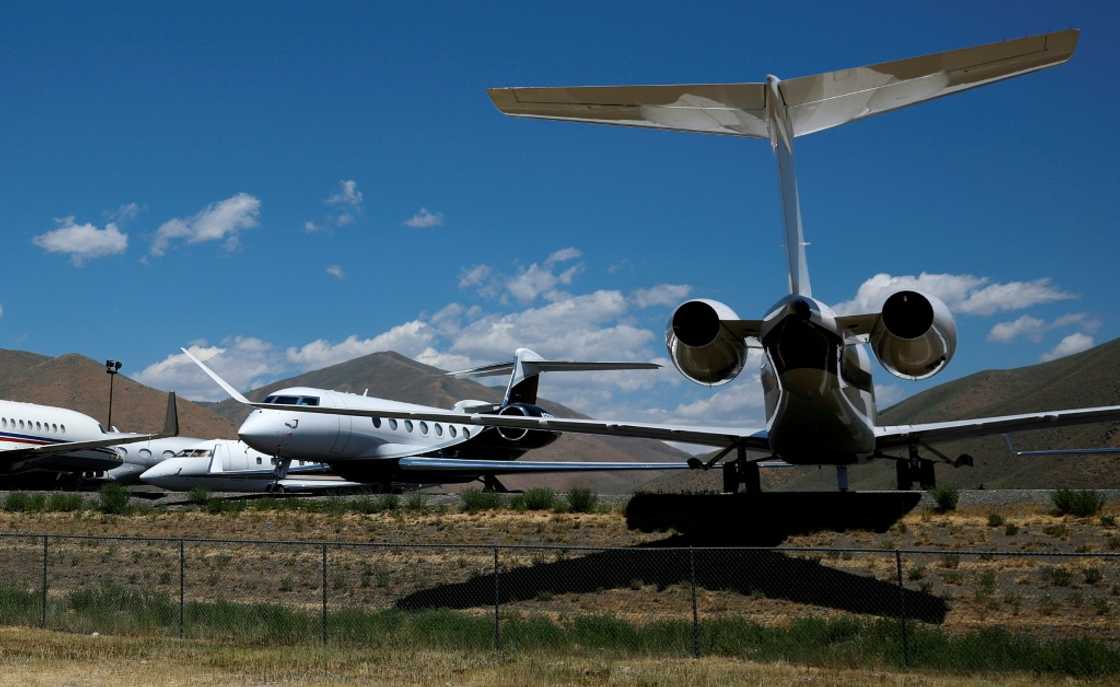
The proposal is based on the principle that those who have the most should pay their fair share. This includes business and first-class travelers, as well as private jet users. According to data, business and first-class seats emit roughly three times more greenhouse gases per passenger-kilometre compared to economy class. Private jets, on the other hand, emit up to 14 times more per passenger-kilometre.
Countries not yet implementing such a tax would be encouraged to introduce levies on business and first-class tickets, as well as private jets. For those already taxing luxury travel, like France, the goal is to increase the rates and make them more progressive. This could involve adding a dedicated surcharge on first-class travel or linking taxes to kerosene consumption for private jets.
The Global Solidarity Levies Task Force
The initiative is spearheaded by the Global Solidarity Levies Task Force, a group established in 2023 and co-chaired by Barbados, Kenya, and France. The task force has chosen COP30, hosted in Brazil’s Belem, as the platform to launch its proposal. COP30 is seen as an opportunity for nations to move from climate pledges to tangible actions.
French President Emmanuel Macron emphasized the need for innovative and fair financing during a leaders’ summit ahead of COP30. He highlighted the collaboration with countries such as Kenya, Spain, Somalia, Benin, Sierra Leone, Antigua and Barbuda, Djibouti, and South Sudan. “It’s only fair that those who have the most, and therefore pollute the most, pay their fair share,” he said.
Spanish Prime Minister Pedro Sanchez echoed this sentiment, stating that the group of countries has made significant progress toward a greater contribution from the aviation sector to adaptation efforts.
Challenges and Support
Despite the push for a luxury air travel tax, the initiative is expected to face resistance from the aviation industry. Airlines such as Air France have recently introduced premium cabins, like the “La Premiere” cabin on long-haul Boeing 777s. These cabins feature luxurious amenities, including five windows, an armchair, and a chaise longue that converts into a bed.
Proponents of the tax argue that demand for ultra-luxury travel is relatively insensitive to price changes. They believe that the ultra-wealthy will continue to fly even if ticket prices increase slightly. “Properly designed aviation taxes can raise predictable revenue for climate and development finance, while reinforcing fairness and solidarity,” the coalition states in a new document outlining the rationale.
Supporters also point to the Maldives as a successful example. The tourism-dependent island nation imposes steep departure taxes: $120 for business class, $240 for first class, and $480 for private jets. “There’s no reason why other countries can’t do the same,” the source told AFP.
Conclusion
As the COP30 climate summit approaches, the push for a luxury air travel tax highlights the growing recognition of the need for equitable solutions to climate change. While challenges remain, the coalition of countries continues to advocate for a fairer approach to financing climate action, emphasizing that those with the greatest resources should bear the corresponding responsibility.