
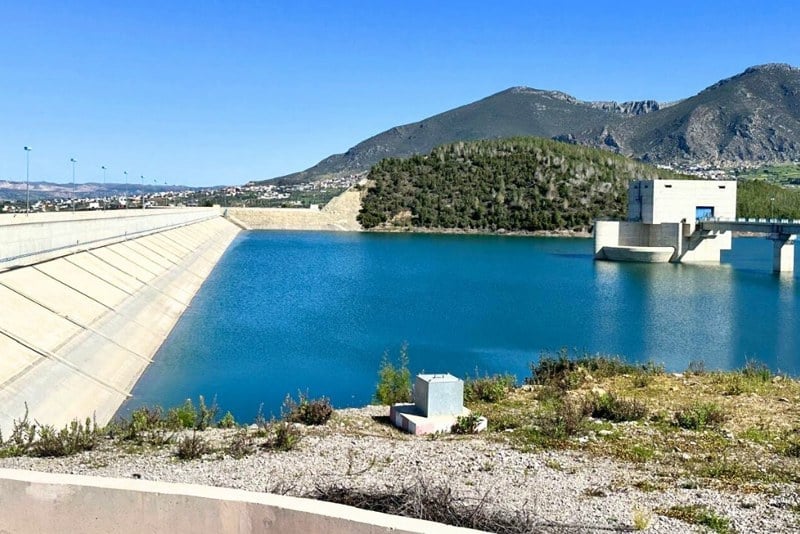
Morocco’s Ambitious Water Infrastructure Projects
Morocco is set to embark on a series of large-scale infrastructure projects aimed at securing its water resources. The initiative, part of a MAD 36 billion investment plan, is expected to be completed by 2026. This ambitious strategy comes in response to worsening drought conditions and the need for better water management across the country.
Key Components of the Plan
The government has outlined several key components as part of its 2026 Water Program, which is included in the upcoming finance bill. One of the most significant projects involves the transfer of surplus water from the Sebou River basin in the north to more arid regions in the south. This project aims to ensure a fairer distribution of water resources and mitigate the impact of declining rainfall and low reservoir levels.
Studies are also underway to connect the Aït Ziat Dam to the orbital canal. Additionally, there are plans to transfer excess water from the Laou basin to the Sebou basin, further enhancing the efficiency of water distribution.
Completion of Major Dams by 2026
By 2026, Morocco expects to complete several key dam projects that will significantly increase the country’s water storage capacity. These include:
- Sakia El Hamra Dam in Laayoune: This dam will have a storage capacity of 113 million cubic meters.
- Sidi Abou Dam in Taounate: With a capacity of 200 million cubic meters, this project will play a crucial role in supporting agriculture and local communities.
- Aït Ziat Dam in Al Haouz: This dam is designed to contribute to regional water security.
- Bni Azziman in Driouch: Another critical addition to the national water network.
- Tamri in Agadir: This project will help meet the growing demand for water in the region.
- Elevation of the Mohammed V Dam in Nador: Enhancing the dam’s capacity will provide additional benefits for flood control and water supply.
Together, these projects represent an estimated investment of MAD 9.23 billion and will add about 1.7 billion cubic meters of storage capacity.
Ongoing Construction and Future Projects
In addition to the dams scheduled for completion by 2026, fifteen other dams are currently under construction. These projects collectively have a combined capacity exceeding 5 billion cubic meters and an estimated cost of MAD 27 billion.
The expanded dam network is considered critical for enhancing water security, supporting agriculture, and protecting communities from floods. The government also plans to launch tenders for three new dams in Larache and Chefchaouen, with a combined budget of MAD 4.3 billion spread over 2026 and 2027.
Conclusion
Morocco’s comprehensive approach to water management reflects its commitment to addressing the challenges posed by climate change and increasing water scarcity. By investing in large dams and water transfer projects, the country is taking significant steps towards ensuring a sustainable water future for its population. These initiatives not only aim to improve water distribution but also to support economic growth and resilience in the face of environmental challenges.