
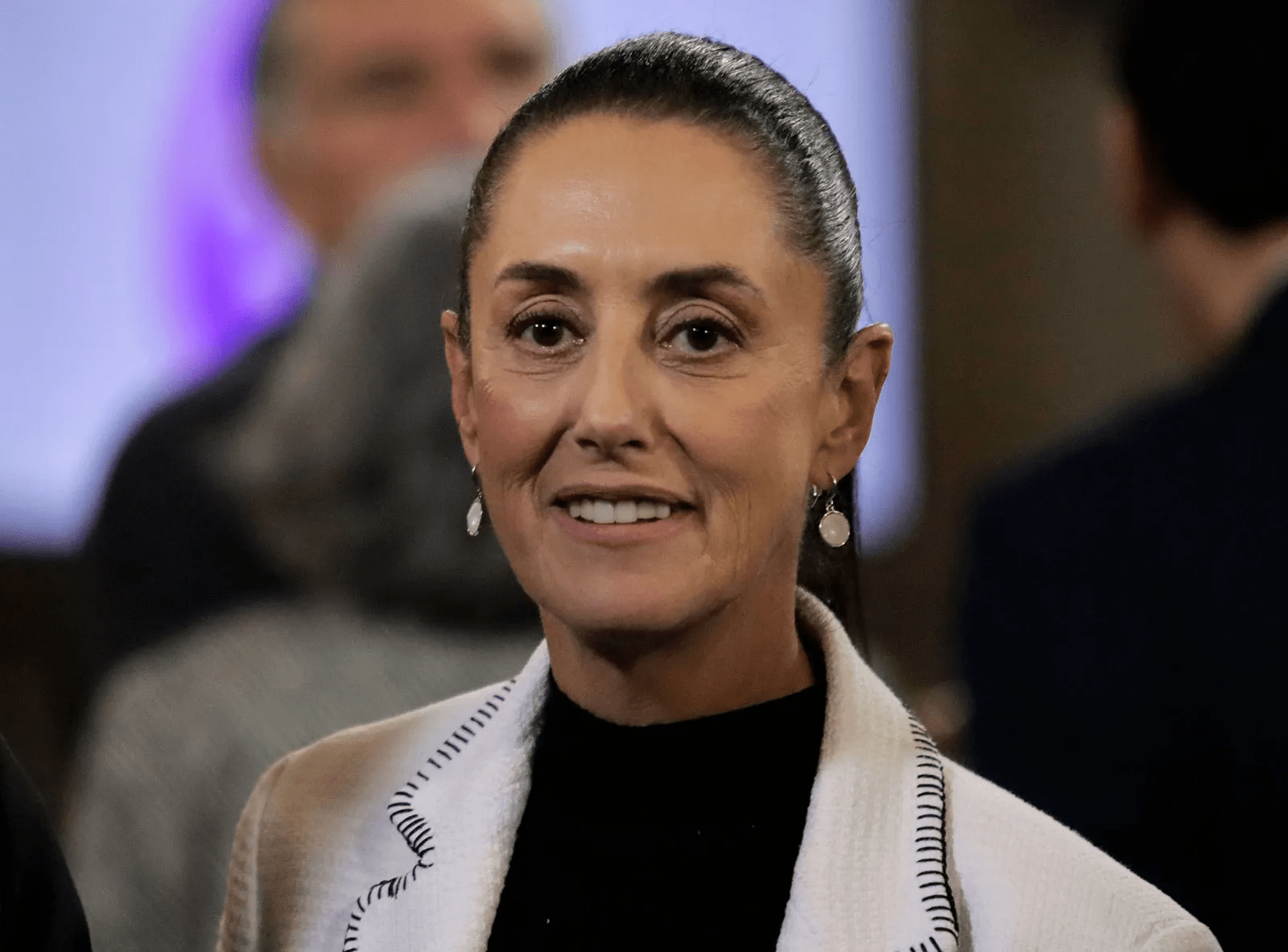
A Shocking Incident
On November 4, 2025, Mexican President Claudia Sheinbaum was assaulted during a public walk near the National Palace in Mexico City. A man identified as Uriel Rivera approached and groped her before being quickly detained by security. He now faces sexual harassment charges. The president filed a formal complaint the following day, describing the assault as “an attack on all women.” Her statement reignited conversation around Mexico’s persistent gender-based violence crisis, where roughly 10 women are killed every day in femicide-related cases.
A Stark Reminder
When Sheinbaum became Mexico’s first female president in 2024, her win symbolised a shift many hoped would challenge the country’s deep-rooted sexist culture. But thirteen months into her term, the public assault showed how entrenched gender violence remains, even for the woman leading the nation.
“I decided to press charges because this is something that I experienced as a woman … that we as women experience in our country”, she announced in a televised address.
Across social media and television, outrage followed. Many women expressed disbelief that even the president wasn’t safe from harassment; others voiced frustration that change still feels distant despite years of activism and reform.
Turning Outrage Into Policy
By Thursday, Sheinbaum responded with a new national initiative against sexual abuse, framing it as both a legal and cultural battle. The plan seeks to make sexual harassment a punishable crime in all Mexican states, strengthen education for prosecutors and judges handling such cases, and launch a nationwide campaign urging victims to report abuse.
Officials, including Mexico City Mayor Clara Brugada, pledged stronger public-safety measures, while the president said she would review her own security protocols, though she maintained that she intends to stay accessible to citizens.
A Political and Cultural Flashpoint
Inside Mexico, some political commentators framed the attack as a lapse in presidential security, especially following the recent high-profile assassination of Carlos Manzo, a popular mayor from Michoacán. But for many others, the real concern runs deeper: that violence and harassment against women have become normalised at every level of society.
Sheinbaum’s decision to transform a personal violation into public policy has drawn both support and scrutiny. Supporters view it as a defining moment in her presidency, one that could sharpen her legacy as a reformer. Critics, however, question whether symbolic gestures can shift entrenched attitudes that have resisted change for generations.
Still, the moment has forced a national reckoning. The assault on Mexico’s first female president has become more than a security lapse; it’s a mirror held up to a country still grappling with the culture it hoped it had left behind.
Key Points of the Incident
- The incident occurred on November 4, 2025, when President Claudia Sheinbaum was assaulted during a public walk near the National Palace in Mexico City.
- The attacker, Uriel Rivera, was detained by security and faces sexual harassment charges.
- The president filed a formal complaint the following day, calling the incident an “attack on all women.”
- The event has reignited discussions about gender-based violence in Mexico, where approximately 10 women are killed daily due to femicide-related cases.
- Sheinbaum’s response included a new national initiative against sexual abuse, aiming to address both legal and cultural aspects of the issue.
- Officials, including Mexico City Mayor Clara Brugada, pledged stronger public-safety measures.
- The incident has sparked debates about the normalization of violence against women in Mexican society.
Broader Implications
The assault on Sheinbaum has highlighted the challenges faced by women in Mexico, even within the highest levels of government. It has also brought attention to the need for systemic changes to combat gender-based violence. While some see the president’s actions as a step towards meaningful reform, others remain skeptical about the effectiveness of such initiatives in the long term.
The event serves as a reminder that progress is often slow and that societal attitudes can be deeply ingrained. However, it also underscores the importance of continued advocacy and policy development to create a safer environment for all women in Mexico.
Conclusion
The incident involving President Claudia Sheinbaum has not only shocked the nation but also prompted a critical examination of the ongoing issues related to gender-based violence in Mexico. As the country continues to grapple with these challenges, the response from the president and other officials will play a crucial role in shaping the future of gender equality and safety in the region.