
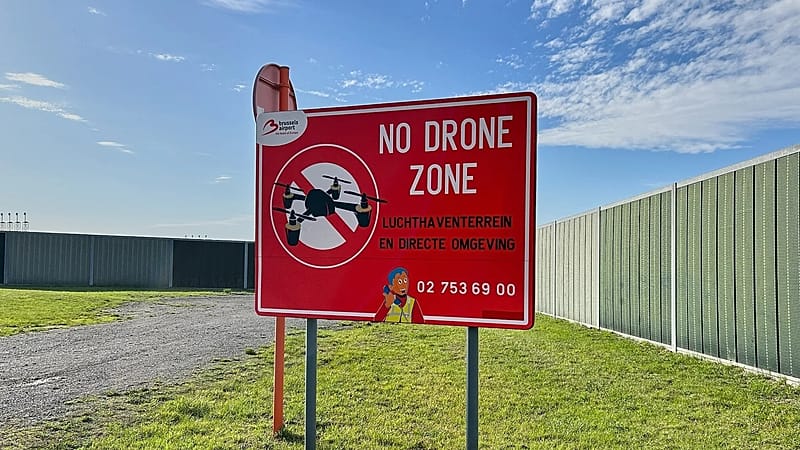
Belgium Addresses Drone Threats and Airspace Violations
Belgium recently held a session of its National Security Council following a series of drone sightings over military bases and airports, which led to flight disruptions and diversions from the main airport in Brussels. In response to this growing concern, authorities are exploring measures such as establishing an airspace surveillance center and implementing mandatory drone registration.
Defence Minister Theo Francken outlined plans for the National Airspace Security Center (NASC), stating that it would become operational on 1 January. Located in Beauvechin, within a military base, the NASC will integrate security services to enhance its operational effectiveness. “It exists already but it has to be more operational with all the security services within,” Francken explained.
Interior Minister Bernard Quintin emphasized the framework being developed for “detection, identification, and possible neutralisation” of drones. This approach aims to address the increasing threat posed by unauthorized aerial activity.

Hybrid Warfare and Suspicions
Despite the absence of concrete evidence, Russia is widely suspected of being behind the drone incursions. Sven Biscop, Director of the Egmont Institute, told Euronews, “You must ask yourself who has benefited from this and this is definitely Russia.” He suggested that the actions could serve two purposes: intimidating decision-makers, possibly linked to decisions regarding Euroclear, and attempting to divide public opinion. “Some people might say, well, if only we drop Ukraine, then we will not have this problem,” he added.
The Belgian defence minister is set to present a €50 million investment plan for an “anti-drone initiative” on Friday. The country is also considering the possibility of shooting down invading drones.

“Belgium specifically has learned that we need a legal framework that allows to shoot down drones. Of course, we actually need the military capacity that can do this. This will now be speeded up so that we will be ready very soon to deal with it,” Biscop said. However, the Russian embassy in Brussels has denied any involvement in drone operations in Belgium’s airspace.
Airspace Violations and NATO Response
Both NATO and the European Union have been on high alert due to a series of airspace violations, believed to be linked to Russia, in recent weeks. At the end of September, NATO issued a warning to Moscow, stating it would use all means to defend against further breaches of its airspace after the downing of Russian drones over Poland and Estonia’s report of an intrusion by Russian fighter jets.
The incident on 10 September in Poland marked the first direct encounter between NATO and Russia since the full-scale invasion of Ukraine began in early 2022. Estonia reported that three Russian MiG-31 fighter jets entered its airspace for 12 minutes without authorization, a claim the Kremlin has rejected.
These incidents caused widespread concern among European leaders, raising questions about the alliance’s preparedness against growing Russian aggression.
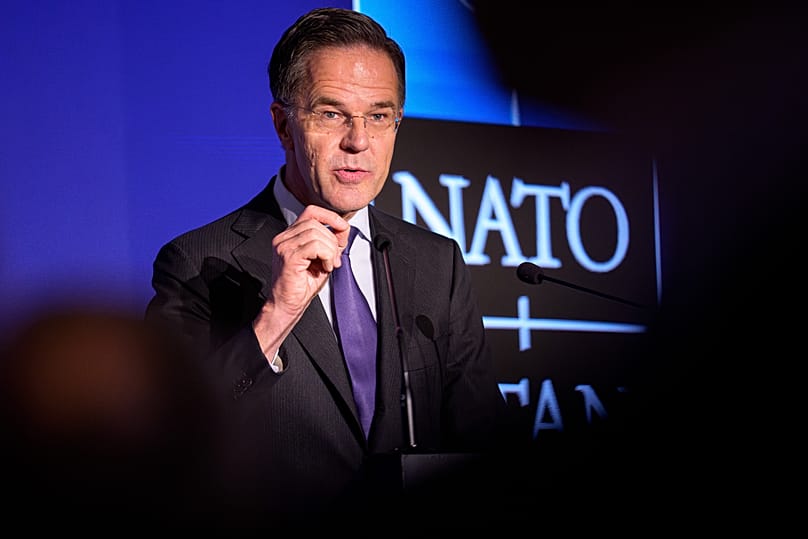
“NATO and Allies will employ, in accordance with international law, all necessary military and non-military tools to defend ourselves and deter all threats from all directions,” the alliance stated in a statement.
Following the violation of Polish airspace, NATO Secretary General Mark Rutte announced the formation of the Eastern Sentry programme, which aims to deter further Russian incursions and show solidarity with Poland. “We see drones violating our airspace. Whether it was intentional or not, it is unacceptable. The allies have expressed full solidarity with Poland. It is crucial to counter aggression and defend every member of the Alliance,” Rutte said.
Similar incidents have also occurred in Denmark, Norway, and Romania, highlighting the broader regional concerns about airspace security.