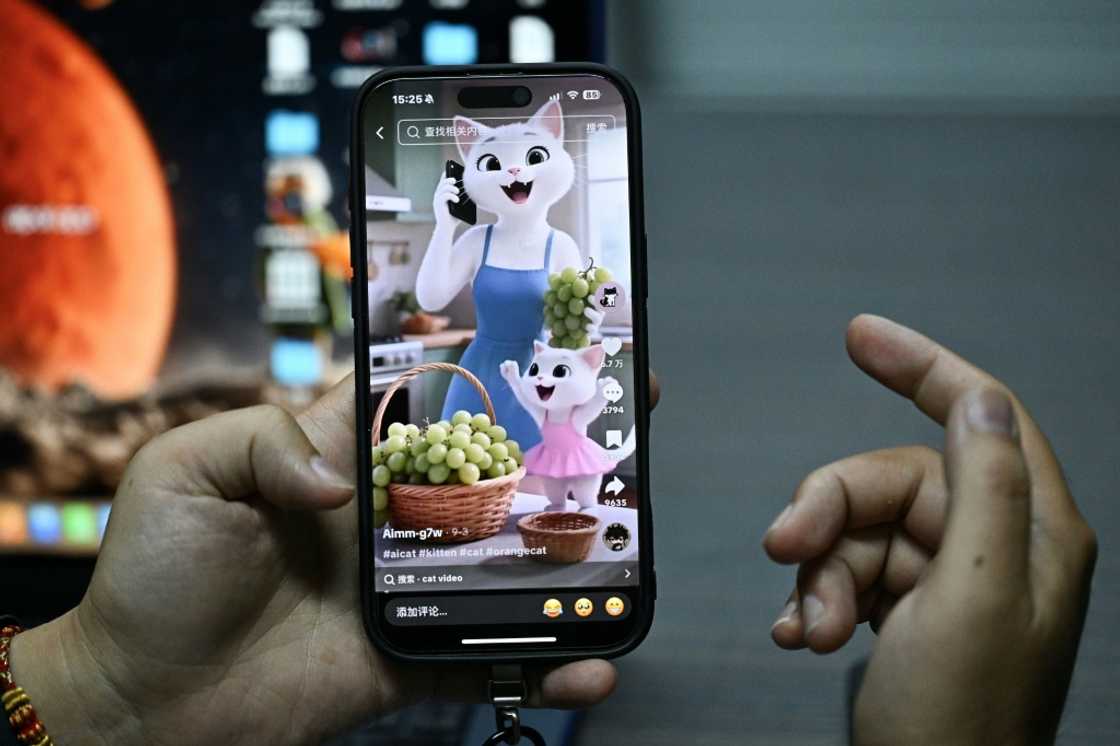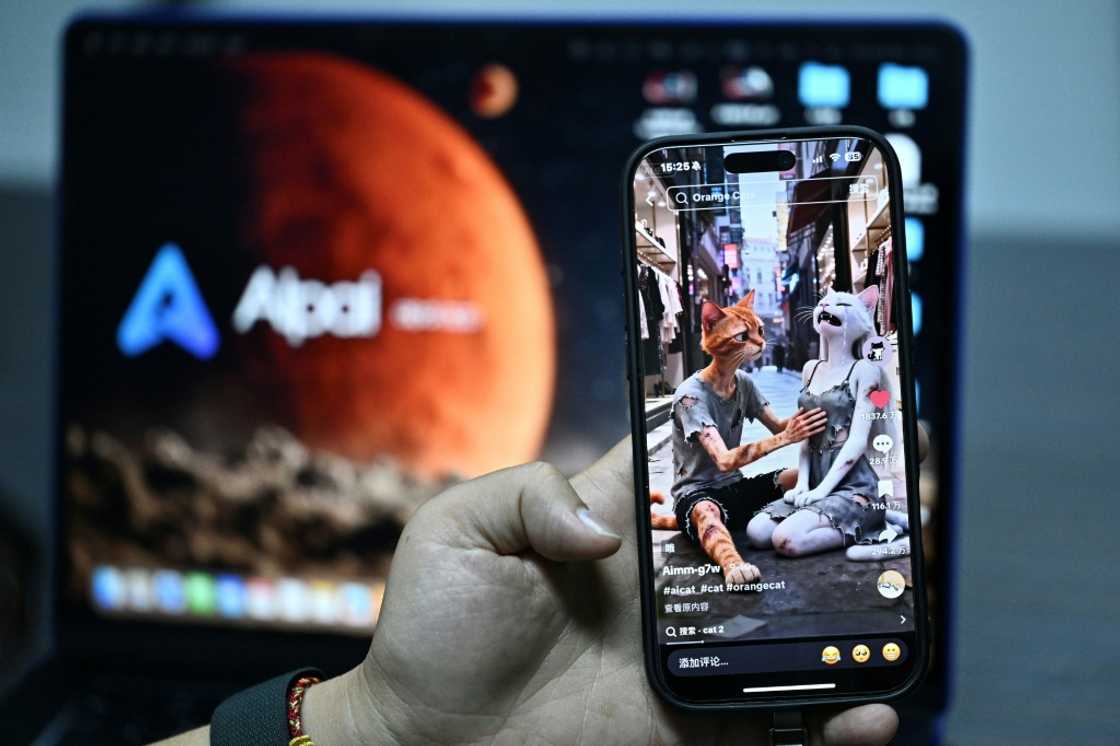
The ultra-short video series “Strange Mirror of Mountains and Seas” has captivated audiences with its dragon-like monsters, handsome protagonists, and dramatic twists. Almost every element of the show, including the lifelike human characters, is generated by artificial intelligence. With over 50 million views, it is part of a growing trend of AI-generated “microdramas” that are gaining popularity in China. These soap opera-like series have episodes as short as 30 seconds and are becoming a significant force in the entertainment industry.
Microdrama production companies are increasingly using AI to replace traditional actors and screenwriters with algorithms. This shift has raised concerns about job losses and copyright issues, which have sparked debates within the global creative industries. Chen Kun, the creator of “Strange Mirror of Mountains and Seas,” explained to AFP that microdramas are ideal for AI disruption because viewers, often watching on their phones during commutes or at work, tend to overlook visual inconsistencies caused by the still-developing technology.
“Even if AI can’t match the production values of traditional filmmaking today, it can meet the needs of microdramas as a first step,” said Chen. Chinese audiences have embraced these AI-generated shows, showing a strong appetite for this new form of storytelling.
Another example is the AI microdrama “Nine-tailed Fox Demon Falls in Love with Me,” which recently went viral due to its dreamlike visuals and nonsensical plot. A fan named “Tiger Mum” on Douyin said, “If you’re just watching without using your brain, you can ignore some illogical details in the visuals.”
Chen used various AI platforms for his series, including ChatGPT for the screenplay, Midjourney to generate still images, China’s Kling to turn images into video, and Suno for the soundtrack. Only the editing and voice acting were done by humans. A fan of “Strange Mirror” who did not provide their name told AFP on Kuaishou that while there are issues like stiff character expressions, there has been noticeable progress in the technology compared to a year ago.
‘Wow factor’
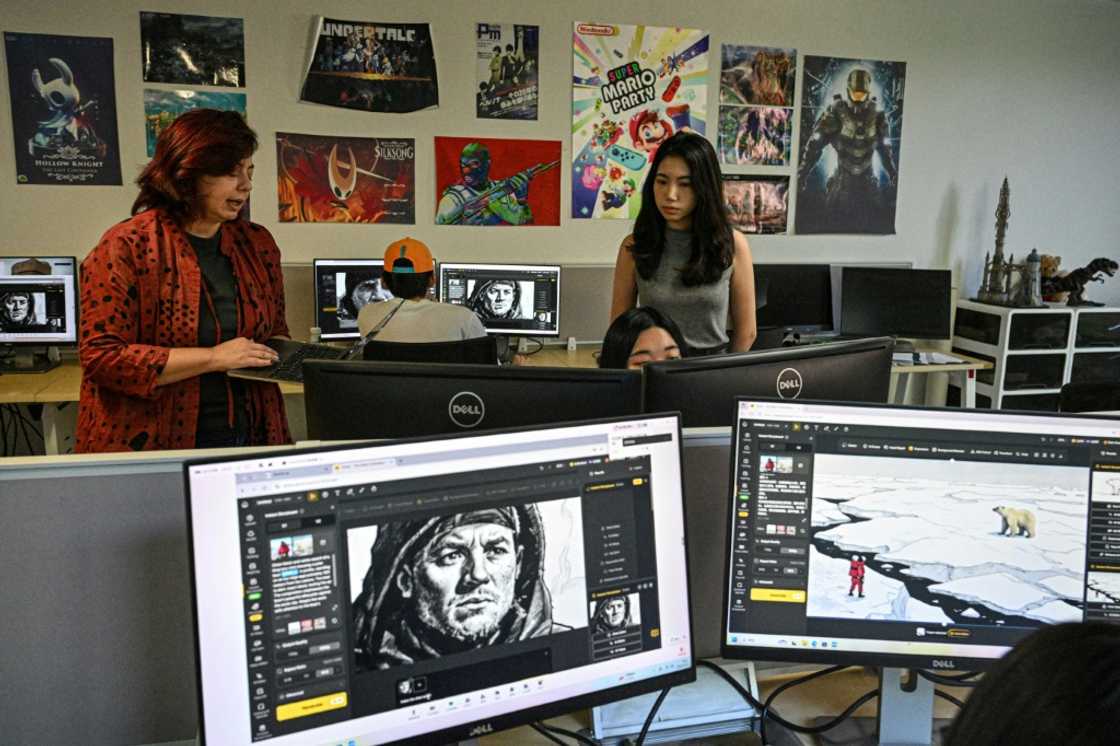
Odet Abadia, a teacher at the Shanghai Vancouver Film School, highlighted the accessibility of AI in filmmaking. “AI lowers the cost of production so much, it makes everything so much faster,” she said. During a recent visit, she was demonstrating how to use AI tools at every stage of the filmmaking process. Students typed prompts into Dzine, an AI image editing platform, which quickly displayed images of polar bears and arctic explorers for a nature documentary storyboard.
Some generated results were more fantastical than realistic, depicting mysterious tiny people at explorers’ feet. “(AI is) another way of storytelling,” Abadia said. “You can get a wow factor, a lot of crazy things, especially in short dramas.”
She showed AFP a virtual production assistant she had designed using Alibaba’s Qwen software. In seconds, it generated a plot outline about a wedding photographer unwittingly involved in a criminal conspiracy. Abadia emphasized that her students need to prepare for a future where film and TV jobs will require AI use. However, the school still encourages aspiring filmmakers to “go and shoot with humans and actors and equipment, because we want to support the industry.”
‘Realistic and cheap’
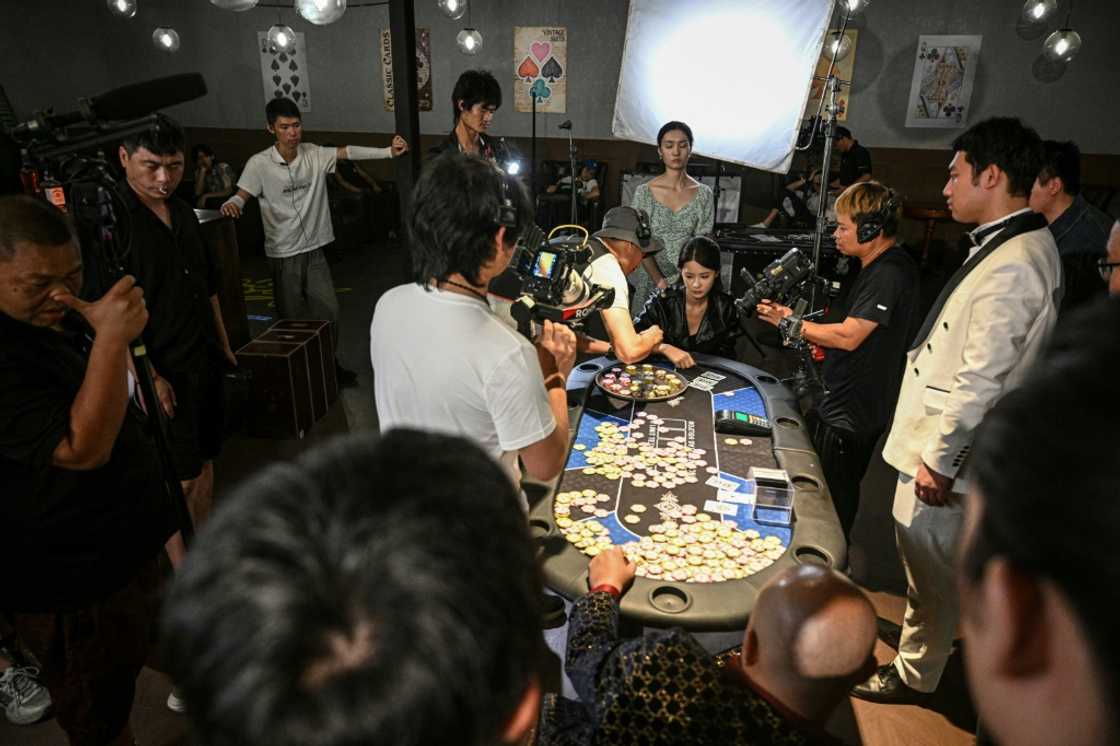
In Hollywood, the use of AI became a major point of contention during the writers’ and actors’ strikes in 2023. The launch of AI “actress” Tilly Norwood sparked backlash this year. Louis Liu, a member of a live-action microdrama crew shooting scenes at a sprawling Shanghai studio complex, said, “When AI first emerged, people in the film industry were saying this would spell the end for us… the products were so realistic and cheap.”
The 27-year-old noted that AI software has already replaced most artists producing “concept images” that define the look of a film in its earliest stages. Chen Kun, the creator of “Strange Mirror,” remains optimistic that new jobs will emerge, particularly “prompt engineer” roles that write instructions for generative software.
Artists globally have also raised concerns about copyright infringement, stemming from the material AI models are trained on. Chen told AFP that the creators of large language models should compensate the owners of works included in their data sets. However, he argued that the matter is out of the hands of secondary users like his company.
Even AI-generated content can be vulnerable to old-fashioned plagiarism. Chen is involved in a legal battle with a social media account he alleges stole elements from his series’ trailer. But he rejected the notion that using AI is inherently unoriginal. “Everything we describe (in prompts) stems from our own imagination — whether it’s the appearance of a person or a monster, these are entirely original creations.”