
Morocco’s Rise in the Greenplexity Index
Morocco has made a significant leap in the latest global ranking that measures countries’ progress in developing green industries. According to the “Greenplexity Index” released by Harvard University’s Kennedy School of Government, Morocco has climbed 13 places, securing the 58th position worldwide. This marks an improvement from its previous standing at 71st in the last edition of the index.
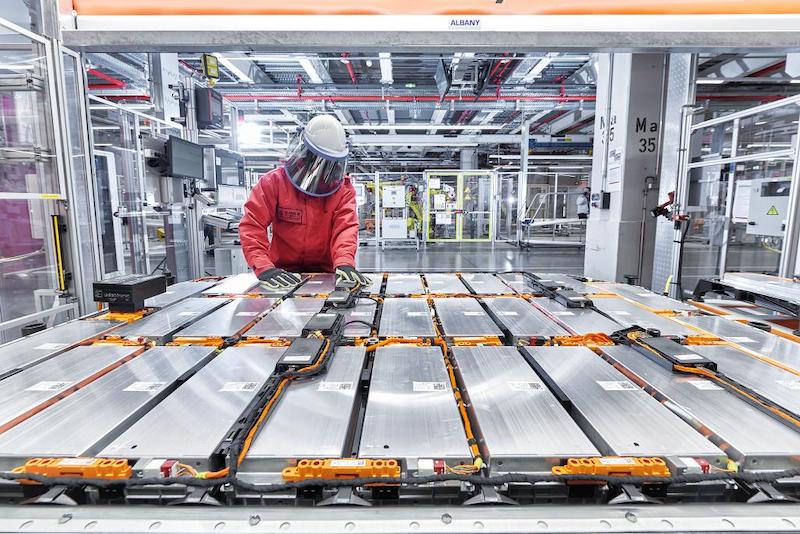
The Greenplexity Index evaluates how countries contribute to global green value chains, including areas such as renewable energy, electric vehicles, batteries, and critical minerals used in low-carbon technologies. The index aims to identify which nations are best positioned to support and benefit from the global shift toward cleaner production and lower emissions.
In Africa, Tunisia leads the continent at 33rd globally, followed closely by Morocco. Egypt ranks 64th, while South Africa is placed at 69th. These rankings highlight the varying levels of development in green industries across the African continent.
Global Leaders and Laggards
Globally, Japan tops the Greenplexity Index, followed by Germany, the Czech Republic, and France, which slightly slipped one spot from the previous report. On the other end of the spectrum, the lowest-ranked countries include the Democratic Republic of Congo, Tanzania, and Nigeria.
The report also identified several countries that are showing rapid progress in green industry development. These include Morocco, Panama, Brazil, and Indonesia. Conversely, Iran, Ireland, Chile, and Australia were noted for weaker performance in this area.
Insights from Experts
Ricardo Hausmann, director of Harvard’s Growth Lab, emphasized that countries engaged in multiple green sectors have stronger chances of growth in a world moving toward decarbonization. He stated that the index serves as a valuable tool for policymakers to identify the most promising areas for economic expansion through clean industries.
Hausmann further highlighted the importance of not only focusing on reducing domestic emissions but also on producing tools, materials, and technologies that enable global emission reductions. This dual approach ensures that countries can contribute effectively to the global transition toward sustainability.
The Broader Implications
The Greenplexity Index underscores the significance of a broad and complex presence in green value chains. Nations with such a presence are better prepared for the energy shift away from carbon-intensive industries. This transition is crucial for achieving long-term environmental goals and fostering sustainable economic growth.
As the world continues to prioritize sustainability, the role of green industries becomes increasingly vital. Countries that invest in and develop these industries are likely to gain a competitive edge in the global market. The findings of the Greenplexity Index provide valuable insights for policymakers and business leaders alike.
Future Outlook
With the growing emphasis on decarbonization, the need for countries to adapt and innovate in their industrial practices is more pressing than ever. The Greenplexity Index serves as a benchmark for measuring progress and identifying areas for improvement. By leveraging the insights provided by such reports, countries can strategically position themselves to benefit from the global shift toward cleaner production.
As Morocco continues to climb the ranks, it sets an example for other nations looking to enhance their green industry capabilities. The success of countries like Morocco demonstrates that with the right policies and investments, significant progress can be achieved in the transition to a more sustainable future.