
The Isôoko Great Lakes Festival: A Celebration of Art and Unity
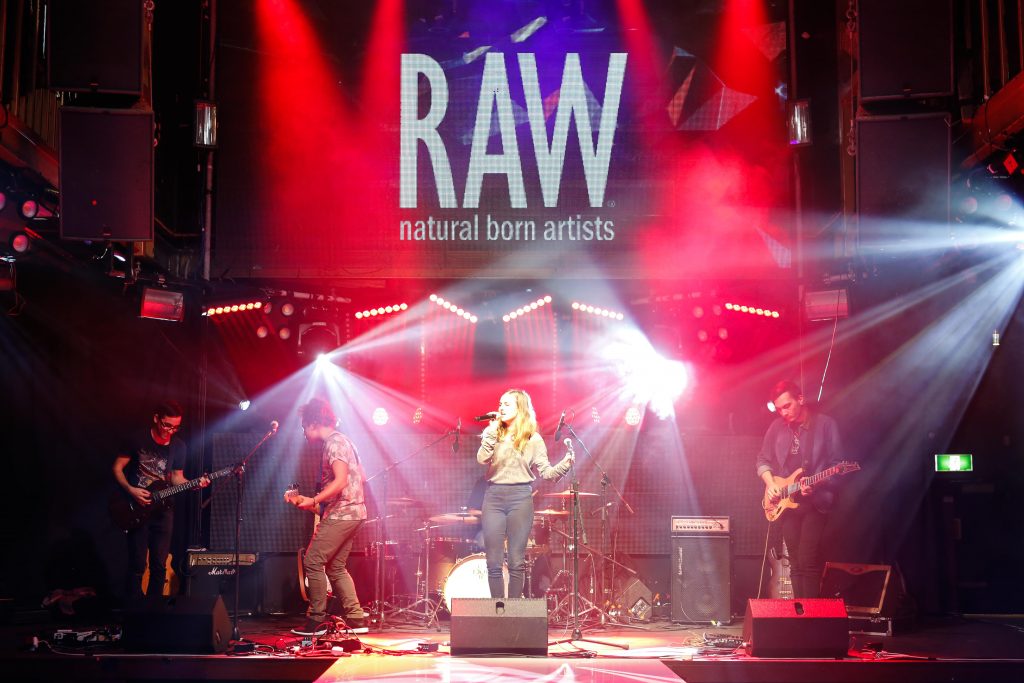
The stage at L’Espace in Nyamirambo pulsed with rhythm and quiet intensity as artists from across the Great Lakes region kicked off the Isôoko Great Lakes Festival, which ran from November 6 to 9. What began as a soft, moonlit evening quickly transformed into a vibrant gathering of dancers, actors, musicians, and storytellers who came together to share work shaped by history, identity, and the emotional weight of the region.
This year’s edition unfolded across several venues, including L’Espace in Nyamirambo, the Goethe Institute, and Kimisagara Maison des Jeunes. Each space hosted performances, workshops, and conversations that brought together artists from Rwanda, Burundi, the Democratic Republic of the Congo (DRC), Uganda, Kenya, and Tanzania. The festival takes its name from the Kinyarwanda wordIsôoko, which means “source.” True to that idea, it positions itself as a wellspring of creativity and a meeting point for cross-border exchange.
With free entry throughout the week, the organizers hope the festival becomes a space that invites people in, whether they are longtime art followers or curious first-timers. Dida Nibagwire, co-founder of L’Espace, said Isôoko was created to close a cultural distance that has quietly existed among neighboring countries. “There has been a gap in what we do and what our neighbors do,” she said. “The festival was born from a desire to bring together artists from Rwanda, Burundi, the DRC, Uganda, Kenya, and Tanzania to imagine together, create together, and share knowledge.”
Nibagwire added that the program includes a puppetry performance by the Kenya Institute of Puppetry, designed especially for young audiences in Kimisagara. The goal, she said, is not only to showcase work but to strengthen networks among regional artists so they can move their work more freely and collaborate more often. “We meet a lot in festivals abroad, but rarely in our own spaces,” she said. “We have beautiful stories, untold stories, even painful stories. The question is how we come together and give them life in a collective way.”
Highlighting Inclusive Artistry
Among the opening performers was Etienne Fils Ndikumana from Kubasha, a Kimisagara-based dance group composed entirely of artists with disabilities. For him, taking the stage marked a turning point. “We are proud to be the ones opening the festival,” he said. “It shows how far we have come. We started our group in 2018, but only began gaining recognition in 2023. This is a breakthrough. We believe this art can one day sustain us and take us far.”
Ndikumana said their work is not only artistic expression but also a form of activism. He noted that society still reduces many people with disabilities to stereotypes or pity, and Kubasha performs to challenge that perception. “When people hear that we dance, they doubt it is possible,” he said. “But once they see us perform, their thinking changes. When they see us on stage, they start to believe in themselves too.”
From the DR Congo, artist Josh Masheka presentedTrio Makila, a piece whose title means “blood” in Lingala. He described it as a reflection on the ways blood unites people and, at times, divides them. Bringing the work to Kigali, he said, was shaped by the realities of the region. “My experience in this performance was very challenging because of the situation in the region,” he said. “But as an artist, I focused on my profession and showed that this piece is more than an artistic performance. It is a statement of resilience and connection.”
A Shared Source of Inspiration
Burundian actress and theatre director Laly Sangano, attending the festival, said the energy of the first night set the tone for the days ahead. She described the atmosphere as quietly moving. “I loved how it began. The moon rose beautifully as the festival started and everything felt calm, soft, and inviting,” she said. “The first performance felt like someone was waking me up and saying, ‘Come on, let us step into something new.’”
For Sangano, Isôoko carries a deeper meaning that goes beyond the performances. “Bringing together the countries of the Great Lakes to create a shared source of inspiration is a beautiful dream,” she said. “It is a chance to give life to stories that have not been told between us for years.”
A Platform for Cross-Border Exchange
Isôoko’s variety gives the festival its power. It gathers dancers, actors, and storytellers into one flowing conversation and lets the region listen in. For the Great Lakes, it becomes a reminder that art still has the ability to connect places that history has tried to pull apart.