
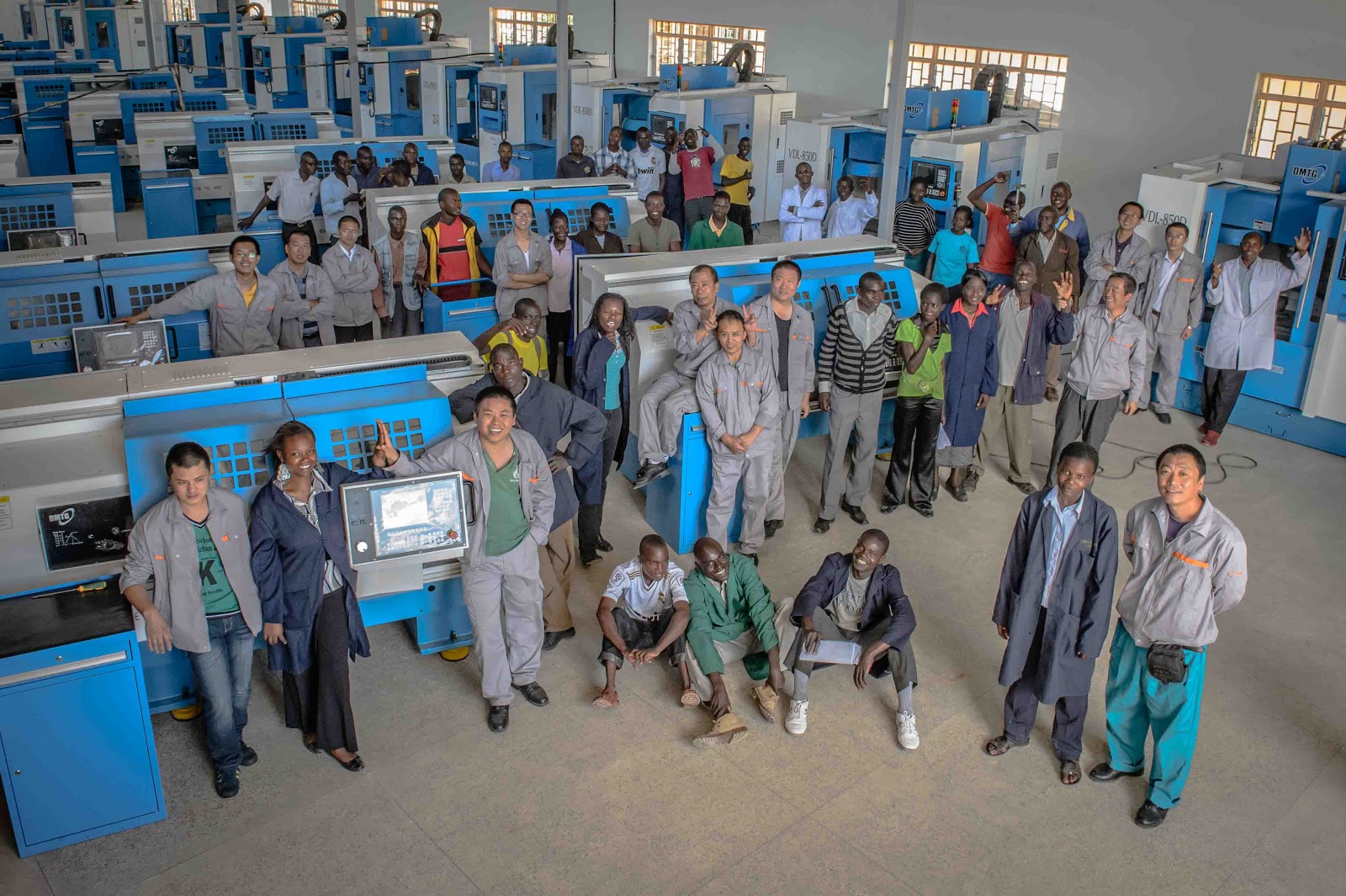
A New Era in Skills Development
Kenya is taking a significant step forward in its journey towards a more skilled and competitive workforce. The launch of the Dual TVET Policy marks a pivotal moment in the country’s efforts to align education with the needs of the labor market. This policy, which formalizes the Dual Training model, ensures that students receive both classroom instruction and hands-on work experience, making their learning more practical and relevant.
The Dual Training model has been recognized as a key strategy in bridging the gap between education and employment. By integrating industry partners into the training process, the policy aims to equip young Kenyans with the skills they need to succeed in an ever-evolving job market. This approach not only benefits students but also strengthens the relationship between educational institutions and the private sector.
Key Features of the Dual Training Policy
- Structured Work-Based Learning:The policy outlines a framework for implementing work-based learning, ensuring that students gain real-world experience while still in school.
- Standardized Quality:It sets clear standards for training programs, helping to maintain high-quality education across all participating institutions.
- Curriculum Development:Industry partners are actively involved in shaping the curriculum, ensuring that it reflects current and future job market demands.
- Employer Involvement:Employers play a central role in the training process, from designing courses to providing mentorship and work opportunities.
The policy was developed by the Ministry of Education through the State Department for Technical and Vocational Education and Training. It represents Kenya’s commitment to demand-driven, competency-based education, placing the country among Africa’s leaders in this area.
A Collaborative Approach
During the launch of the policy, Education Cabinet Secretary Julius Migos Ogamba emphasized the importance of collaboration between educational institutions and industry partners. He stated that the new approach would help bridge the gap between learning institutions and employers, while preparing youth for meaningful participation in Kenya’s economic growth.
“Dual Training brings classrooms and industry together, making training more relevant, practical, and future-focused. With this policy, we are ensuring that our youth learn in real workplaces, use modern tools, and graduate ready for employment or entrepreneurship,” said Ogamba.
He also urged the private sector to deepen its involvement in national skilling efforts, noting that the policy places employers at the heart of curriculum design and implementation.
“Industry partners are not guests in our skilling ecosystem; they are co-architects. Employers will help design curricula, open their doors to trainees, and shape real-world learning experiences,” he added.
Support and Implementation
The Dual Training Policy was developed under the Promotion of Youth Employment and Vocational Training Programme, jointly financed by the Governments of Finland and Germany, with technical cooperation from GIZ (Deutsche Gesellschaft für Internationale Zusammenarbeit). It was approved by the Cabinet on January 21, 2025, paving the way for nationwide rollout.
So far, more than 10,000 trainees are enrolled in Dual Training programmes across 100 TVET institutions and 93 vocations, supported by over 1,500 industry partners.
Kiambu National Polytechnic Chief Principal Sammy Waititu highlighted the positive impact of these collaborations. “When we began Dual Training, it started with one course. Today, it runs across all departments. We’ve seen empowered students, better-equipped trainers, and stronger industry linkages,” he said.
Engineer Mary Mwangi, Research and Development Manager at HACO Industries, described the partnership as a long-term investment in Kenya’s future. “Our collaboration with TVET institutions has created a sustainable talent pipeline that supports local manufacturing and green growth,” she said.
Looking Ahead
With the implementation of the Dual Training Policy, Kenya is setting a strong foundation for a future where education and industry work hand in hand. This initiative not only prepares young people for the job market but also contributes to the country’s overall economic development. As more institutions and industry partners join this effort, the impact on Kenya’s workforce is expected to be profound and lasting.